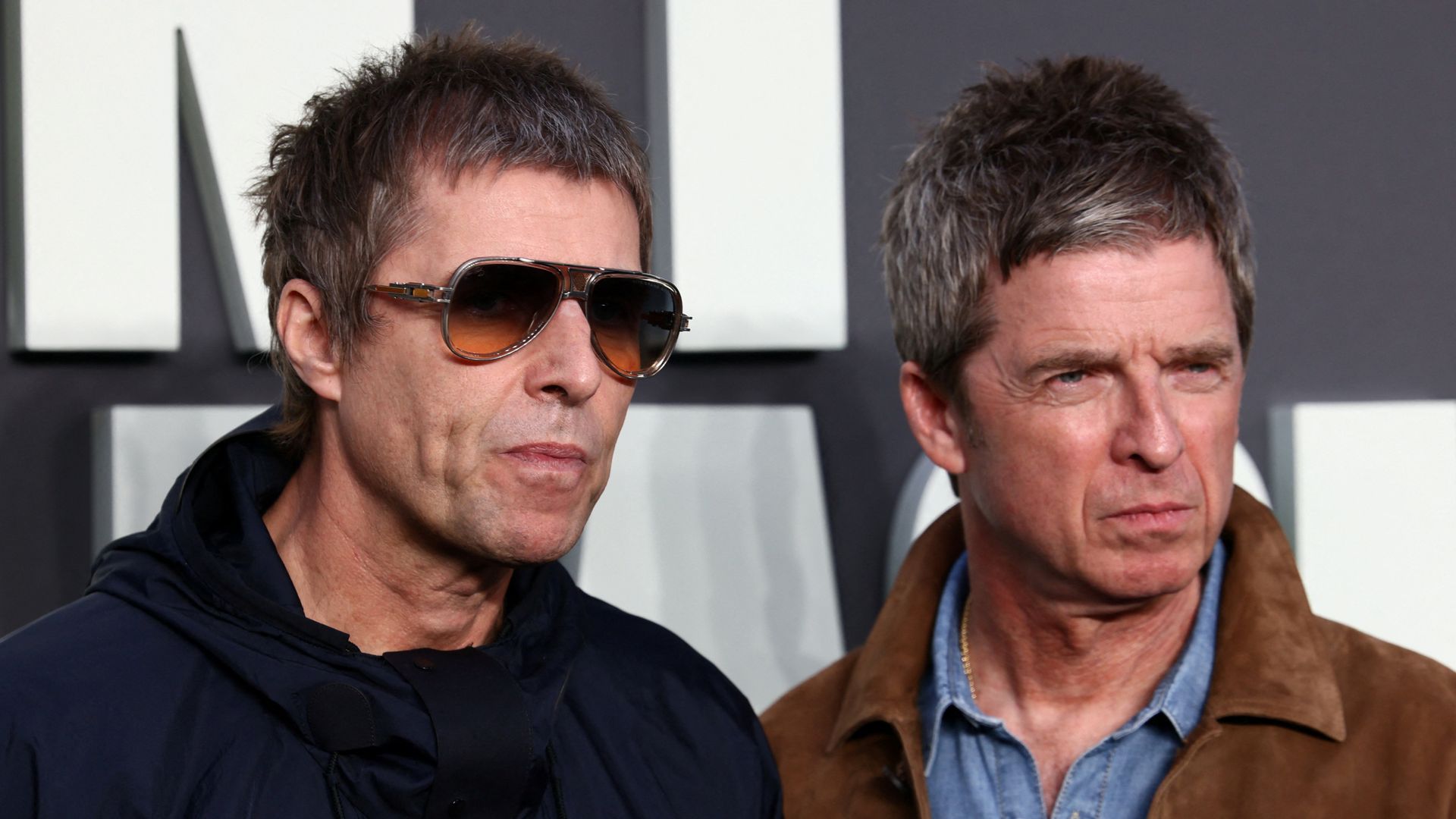
When forty-two stadium dates evaporate across global markets in a matter of hours, the event ceases to be a conventional commercial tour and transforms into an economic masterclass in artificial scarcity and pent-up cultural equity. The rapid sellout of the Oasis Live twenty-seven tour—following the chaotic rollout of their initial reunion run—demonstrates how legacy intellectual property operates under modern market mechanisms. Observers frequently attribute these commercial sellouts entirely to nostalgia, yet nostalgia alone possesses zero pricing power without structural constraints. The fundamental driver of this phenomenon lies in the deliberate calibration of supply against an asymmetric demand curve, where consumer willingness to pay far outstrips the physical capacity of global stadium infrastructure.
Understanding this market dynamic requires analyzing the mechanics of modern live entertainment logistics. Live music has transitioned from a promotional vehicle for recorded output into the primary revenue engine for legacy artists. When a band with the cultural footprint of Oasis returns after a decade-and-a-half hiatus, the accumulated depreciation of their catalog creates a compressed financial spring. Millions of consumers simultaneously attempt to convert disposable income into a finite number of admission rights. Because physical venues impose hard ceilings on attendance—ranging from fifty thousand to eighty thousand seats per stadium—the market experiences extreme supply inelasticity. Price adjustments cannot generate additional physical supply in the short term. Consequently, any surge in demand manifests entirely as a scramble for remaining inventory, creating conditions ripe for secondary market distortion and intense public friction.
The public discourse surrounding these ticket releases invariably fixates on artist commentary, particularly the unfiltered digital pronouncements of Liam Gallagher. While media outlets treat social media quips as mere entertainment reporting, these statements function as an operational release valve for organizational pressure. When ticket prices provoke widespread consumer backlash or automated queues collapse under millions of concurrent connection requests, front-facing figures absorb the blows through deflection and defiance. Telling frustrated fans to accept exorbitant pricing or offering sardonic advice shifts the narrative from corporate ticketing architecture to rock-and-roll mythology. This theater distracts from the core economic reality: pricing is set by institutional promoters and algorithmic demand-matching models, designed to capture consumer surplus that historically leaked into unauthorized secondary brokerages.
To evaluate why stadium tours achieve instantaneous sellouts while triggering intense resentment, one must dissect the pricing architecture deployed by major promoters. Traditional ticketing relied on flat-rate structures that created vast margins between face value and true market clearing price. This spread fueled a multi-billion-dollar scalping economy, where automated bots and professional brokers harvested tickets to resell at exorbitant markups on secondary platforms. The introduction of dynamic pricing models—and subsequent regulatory interventions across various jurisdictions—attempted to internalize that secondary profit margin directly into the primary ticket sale.
The friction emerges because consumers perceive dynamic pricing as an arbitrary penalty for enthusiasm rather than a rational market mechanism. When an initial ticket priced at a standard baseline surges in real-time based on concurrent demand spikes, the psychological contract between artist and audience fractures. Fans view the transaction through a moral lens, expecting cultural artifacts to remain insulated from pure capitalist exploitation. Conversely, promoters and management entities view the stadium as a perishable inventory asset that must capture maximum yield during a limited operational window. The Oasis reunion tours provide a textbook case study of this tension. The sheer velocity of the sellout proves that despite public outcry over pricing tiers and queue mechanics, consumer demand remains robust enough to absorb peak pricing without dampening volume.
The logistical choreography behind a global stadium tour involves intricate risk distribution. Promoters underwrite massive guarantees to aging acts, assuming the financial downside if ticket sales stall or cultural fatigue sets in. To mitigate this risk, modern tour operations utilize staggered release windows, international territorial pacing, and strict anticollusion resale restrictions. By locking secondary distribution channels into designated platforms at original face value—such as specific authorized peer-to-peer systems—artists attempt to claw back consumer trust while retaining high primary yields.
This strategy alters the risk-reward profile for attendees. If resale is restricted to original cost, the speculative secondary market collapses. Speculators exit the queue ecosystem, leaving a higher percentage of inventory in the hands of genuine consumers. However, this restriction simultaneously heightens the anxiety of the primary sale window. Knowing that missing the initial drop eliminates the safety net of authorized secondary acquisition, buyers flood the virtual waiting rooms in numbers that overwhelm server infrastructure. The resulting digital gridlock is an inevitable byproduct of closed-loop inventory control.
The geographic distribution of the tour dates further reveals strategic market segmentation. Rather than mounting an endless, grinding itinerary that risks diluting brand value through overexposure, management favored a targeted cluster of high-prestige venues. Performing at iconic historical sites—such as Knebworth Park or major international stadiums—elevates the event from a standard concert date to a generational pilgrimage. This scarcity mindset is carefully cultivated. By limiting the total number of performances, the artists maximize media attention per show, reduce crew fatigue, and ensure that every night operates at maximum capacity utilization.
Financial analysts examining the live entertainment sector must look past the headlines of instantaneous sellouts and examine the underlying cost structures of stadium productions. Transporting staging, lighting, acoustic arrays, and personnel across continents incurs staggering logistical overhead. Currency fluctuations, union labor rates in major metropolitan markets, and escalating venue rental fees compress net margins even when gross box office figures reach record heights. Consequently, the push toward higher ticket prices is not merely an exercise in greed, but a defensive calculation against rising operational friction.
Furthermore, the longevity of legacy rock acts depends on maintaining an aura of exclusivity. A band cannot tour continuously without transforming from an elusive cultural phenomenon into a standard working lounge act. The decision to disband, reunite, and carefully meter out limited windows of live performance protects the equity of the brand. Each tour functions as a finite harvest of cultural capital accumulated over decades. When Liam Gallagher proclaims the end of a ticketing window with characteristic bluntness, he is signaling the closure of that specific harvest cycle, reinforcing the narrative that missing the window carries permanent consequence.
The broader implications for the live music industry point toward a permanent bifurcation of the concert market. Mid-tier venues struggle with compressed margins and shifting consumer spending habits, while apex-tier heritage acts command astronomical valuations by positioning their tickets as scarce luxury commodities. Fans who are priced out or shut out by digital queues are left with few viable alternatives, accelerating the cultural divide between those who can afford premium live experiences and those restricted to recorded media.
Strategic planning for future iterations of large-scale music tours will likely lean even harder into closed-loop ticketing, randomized ballot systems, and aggressive anti-scalping protocols. Promoters will continue to experiment with pricing elasticity, seeking the exact threshold where maximum revenue extraction meets tolerable public relations backlash. The model established by these massive reunion cycles demonstrates that cultural loyalty can withstand significant pricing pressure, provided the narrative surrounding the event remains sufficiently compelling.
Management teams and promoters navigating this landscape must balance short-term revenue optimization with long-term brand equity. If ticket prices and purchasing friction alienate the core demographic too aggressively, the generational transfer of fan loyalty stalls, threatening the residual value of the publishing catalog. The success of the current run proves that the ceiling has not yet been reached, but the margin for operational error grows narrower with every cycle.
The ultimate takeaway from the mechanics of these sellouts is that modern concert promotion has evolved into a sophisticated exercise in yield management. Emotion and nostalgia provide the initial spark, but cold logistical calculations dictate the outcome. As long as global demand for premier live entertainment exceeds the physical capacity of available stadia, the intersection of high finance and rock-and-roll mythology will remain turbulent, highly lucrative, and structurally unforgiving.