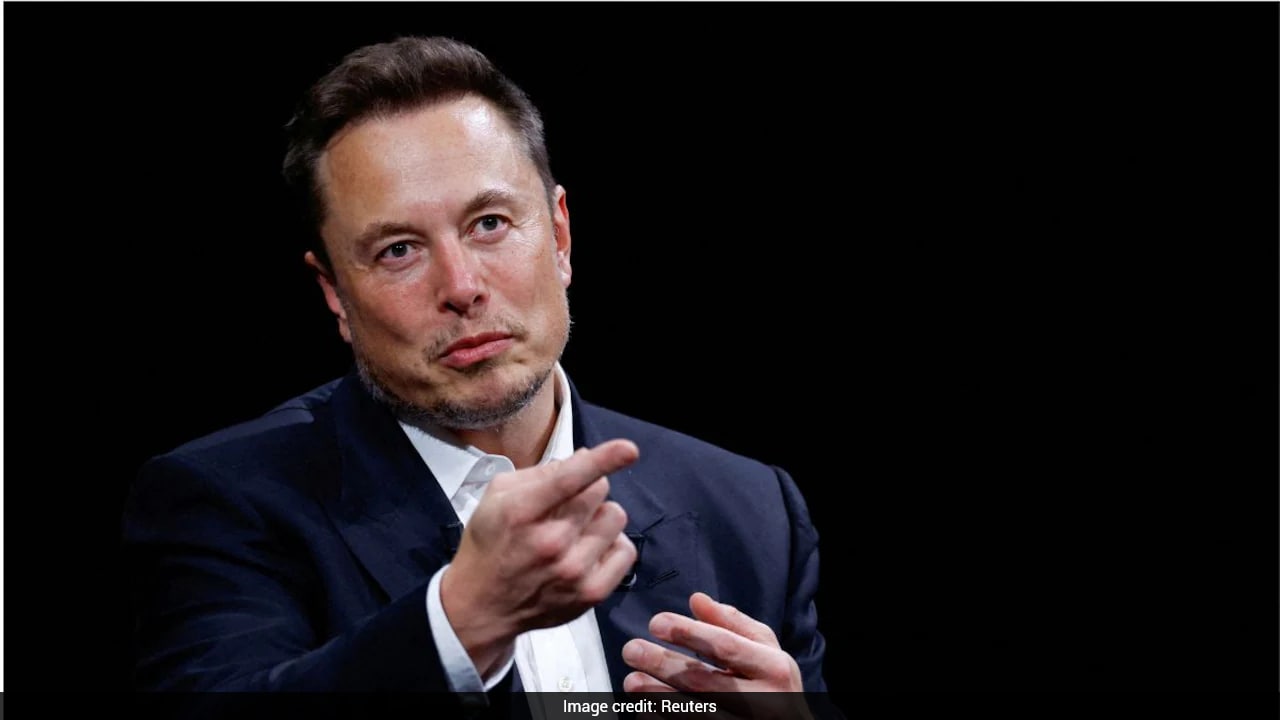
Imagine waking up to a social media post that promises roughly seventy-two million kids a free equity stake in one of the most valuable private aerospace corporations on earth. That is exactly what happened when Elon Musk announced plans to hand out one personal SpaceX share to every child in the United States. With SpaceX shares hovering around $146 each, the total value of this stunt or strategy clocks in at roughly $10.5 billion.
If you are trying to figure out how this massive transfer of wealth works in practice, you are not alone. The initial announcement dropped on X with almost zero operational roadmap. There are no clear guidelines on age thresholds, minor custodial legalities, or how the federal government would help administer the distribution. Yet, understanding the mechanics reveals a lot about where modern corporate philanthropy and state-backed investment vehicles are heading.
Breaking Down the Math and the Motives
To grasp the scale, look at the numbers. U.S. Census Bureau figures peg the number of Americans under eighteen at just over seventy-two million. At a valuation near $146 per share, the math yields a headline-grabbing $10.5 billion. For Musk, who holds billions of SpaceX shares, this giveaway represents about one percent of his total net worth or a tiny fraction of his company stake. It is a massive sum for anyone else, but a rounding error for the world's wealthiest individual.
Why do this now? Tech leaders are increasingly racing to address public anxiety surrounding automation, artificial intelligence disruptions, and wealth inequality. Just days prior, AI firm Anthropic pledged a chunk of its shares to a public benefit fund. Musk’s announcement follows a similar ideological current, leaning heavily into direct equity ownership for citizens rather than relying purely on traditional social safety nets.
The Logistics Nightmare of Minor Stock Ownership
Handing out physical or electronic stock certificates to minors sounds simple on paper. In reality, securities law hates minors owning individual equities directly. Under standard financial regulations, children cannot legally open standard brokerage accounts or manage securities without an adult custodian.
This is where government-backed investment programs enter the conversation. Supporters have pointed toward initiatives like Trump Accounts—government-sponsored savings and investment structures designed for children—as a potential pipeline for the transfer. Altimeter Capital founder Brad Gerstner, who helped design those federal accounts, was publicly tipped by Musk for helping enable the idea. Even with a potential administrative conduit, moving tens of millions of shares into minor-held accounts without triggering massive tax events or administrative gridlock remains a monumental hurdle.
Market volatility adds another layer of unpredictability. SpaceX stock fluctuates based on launch successes, Starlink expansion milestones, and broader macroeconomic pressures. A share price that sits at $146 today could swing wildly by the time 2027 rolls around and actual transfers begin. Recipients won't necessarily be holding a stable cash equivalent; they will hold a volatile piece of a capital-intensive aerospace firm.
What Recipients and Parents Should Expect Next
If you are a parent wondering if you need to fill out forms right now, relax. No official portal or application exists to claim the promised share. Regulatory bodies like the SEC and the U.S. Treasury have not issued formal approvals or operational guidelines for the proposed 2027 rollout.
Keep your eyes open for official filings or structural announcements from SpaceX rather than reacting to social media teasers. Until concrete legal frameworks emerge, treat the $10.5 billion pledge as an ambitious proposal rather than a guaranteed deposit in your child's portfolio.