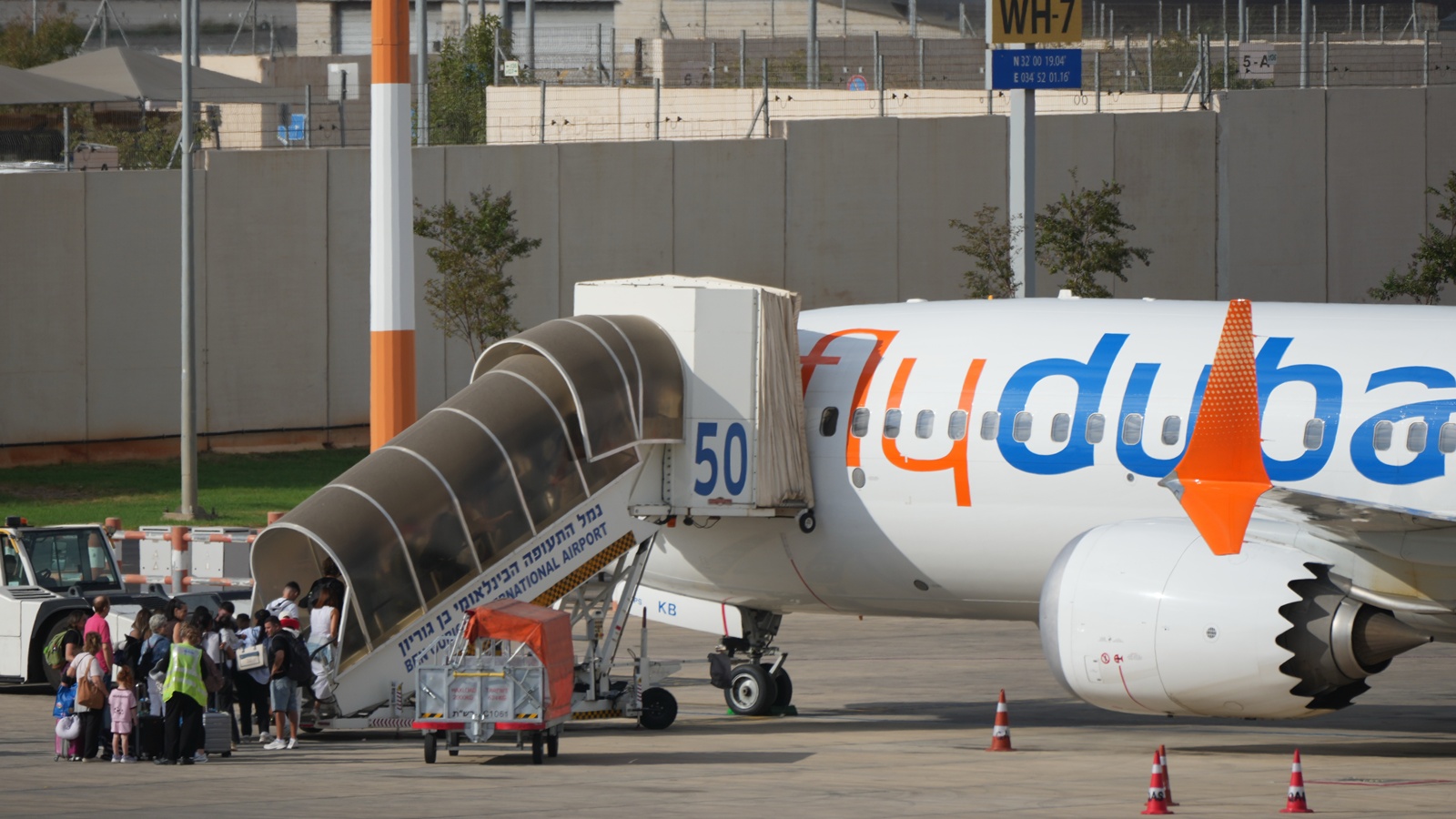
The lazy consensus following the Flydubai Flight 1073 incident is a masterclass in comforting self-deception. Turn on the news or read the aviation columns,
Why Every Safety Investigation Into Flydubai Gets the Human Element Completely Wrong
travel, business
The standard playbook following a high-profile aviation incident is painfully predictable. An airline suffers an operational disruption or a safety scare, the media runs a breathless cycle about regulatory oversight, and safety analysts spend weeks wringing their hands over pilot fatigue and crew resource management. Everyone wants a clean, convenient villain. Everyone wants to blame a broken system or a rogue human error.
Flydubai has spent years navigating the intense scrutiny of the low-cost, high-frequency model, often caught in the crosshairs of this lazy consensus. When anomalies happen, the knee-jerk diagnosis points straight to procedural drift or overstretched rosters.
That narrative is comfortable. It is also entirely wrong.
I have spent two decades dissecting operational failures across high-stakes transport sectors. I have watched boards panic, regulators draft useless red tape, and PR teams bury root causes under corporate boilerplate. The real story behind modern airline safety incidents is rarely about a pilot missing a cue or an airline cutting corners on training. It is about an industry terrified to admit that our automated cockpits have created a completely new class of cognitive vulnerability.
We have engineered an environment where crews are expected to act as passive monitors ninety-five percent of the time, and instant miracle-workers during the five percent of crisis. That is not safety. That is a design flaw waiting for a trigger.
The Myth of the Checklist Culture
Let us clear up the terminology immediately. In commercial aviation, safety culture has become a buzzword corporate shorthand for compliance. If you check the boxes, print the manuals, and hold the recurrent training sessions, you are deemed safe.
This is a dangerous delusion.
Compliance is not competence. A pilot can follow every single line of a standard operating procedure and still fly straight into a trap because the procedure was written for an average day, not an abnormal meteorological or operational storm. When analysts dissect an incident like those occasionally facing rapid-turnaround carriers, they obsess over whether the crew adhered strictly to the manual.
The better question is why the manual left them blind when the automation peeled back its layers.
Modern commercial aviation relies on staggering complexity. Flydubai operates a massive, lean point-to-point network across punishing geographical and geopolitical corridors. High-tempo operations mean airplanes are flying multi-sector days through crowded airspace, shifting weather zones, and complex air traffic control environments. When a disturbance occurs—be it severe windshear, sudden system degradation, or confusing sensory input—the crew does not need another reminder to read the checklist. They need cognitive bandwidth.
And automation dependency has systematically starved them of that bandwidth.
The Automation Paradox Nobody Wants to Name
Here is the dirty secret of modern flight decks: the better the autopilot gets, the worse the human operator becomes at basic recovery.
When you spend thousands of hours watching a computer manage energy states, vertical navigation, and fuel burn, your brain undergoes subtle atrophy regarding raw, unassisted stick-and-rudder manipulation. It is neurobiology, not a character flaw. When an unexpected anomaly forces a sudden reversion to manual flight, the pilot is not stepping into a familiar routine. They are waking up from a trance.
Critics love to target low-cost carriers for aggressive scheduling, implying that legacy network carriers are somehow immune to cognitive fatigue. That is elitist nonsense. Fatigue hits a wide-body captain flying across six time zones just as hard as a narrow-body captain doing four legs a day into high-density regional airports. The difference is that budget carriers run lean, exposing the friction points of the entire global aviation infrastructure much faster.
When an incident hits the news cycle involving carriers operating in challenging Middle Eastern and European transition zones, commentators immediately blame the regional weather extremes or local traffic congestion. They point to crosswinds at destination airports or sudden visibility drops.
Weather is never the root cause. Weather is just the environment that exposes your preparation.
If an operational structure collapses because of a wind gust or a late-night go-around, your safety margin was an illusion to begin with.
Dismantling the Regulatory Safety Blanket
Regulators love imposing new paperwork. Every time an incident triggers public anxiety, agencies draft new directives, add training modules, and mandate more reporting loops. It feels proactive. It looks like action.
It is actually bureaucratic theater.
Adding another three-hour computer-based training module on fatigue awareness does not prevent a captain from misinterpreting an altimeter reading during a dark, rainy night approach. In fact, it just steals valuable rest time from a crew that is already stretched to the legal limit. We are managing risk by drowning operators in administrative noise.
If we actually wanted to fix modern operational safety, we would stop treating pilots like automated vending machines that occasionally need a software patch. We would mandate unscripted, raw manual flying practice in high-fidelity simulators—not just engine failures in clear weather, but bizarre, multi-system failures where the automation lies to the crew and the instruments contradict each other.
We need to rebuild the intuition that gets stripped away by twenty-mile final ILS lock-ons.
The Cost of Uncomfortable Truths
Admitting this means confronting uncomfortable truths about how commercial aviation is financed. Passengers want ultra-low fares, governments want seamless regional connectivity, and investors demand predictable margins. That triangle requires high asset utilization. Airplanes make money in the air, not on the tarmac.
Flydubai, like its peers in the dynamic low-cost sector, mastered the math of high utilization. But maximizing asset turns places an unforgiving demand on human biological clocks. You can optimize fuel burn down to the gram, but you cannot overclock the human prefrontal cortex.
Pretending that we can solve this by simply telling pilots to "be more careful" or by adding another layer of supervisory oversight is cowardice. It protects the regulators and the corporate PR departments while leaving the flight crew holding the bag when the system finally stretches too far.
The next time an incident makes headlines and the pundits start chanting about procedural drift and human error, ignore the noise. Look deeper at the machine we built, the automation we worship, and the impossible expectations we place on the two human beings sitting at the sharp end of the tube.
Stop blaming the pilot for failing to save you from a system designed to edge them out of the loop until things go sideways.
Give them back the controls before you expect them to save the day.