The internet loves a clear-cut villain.
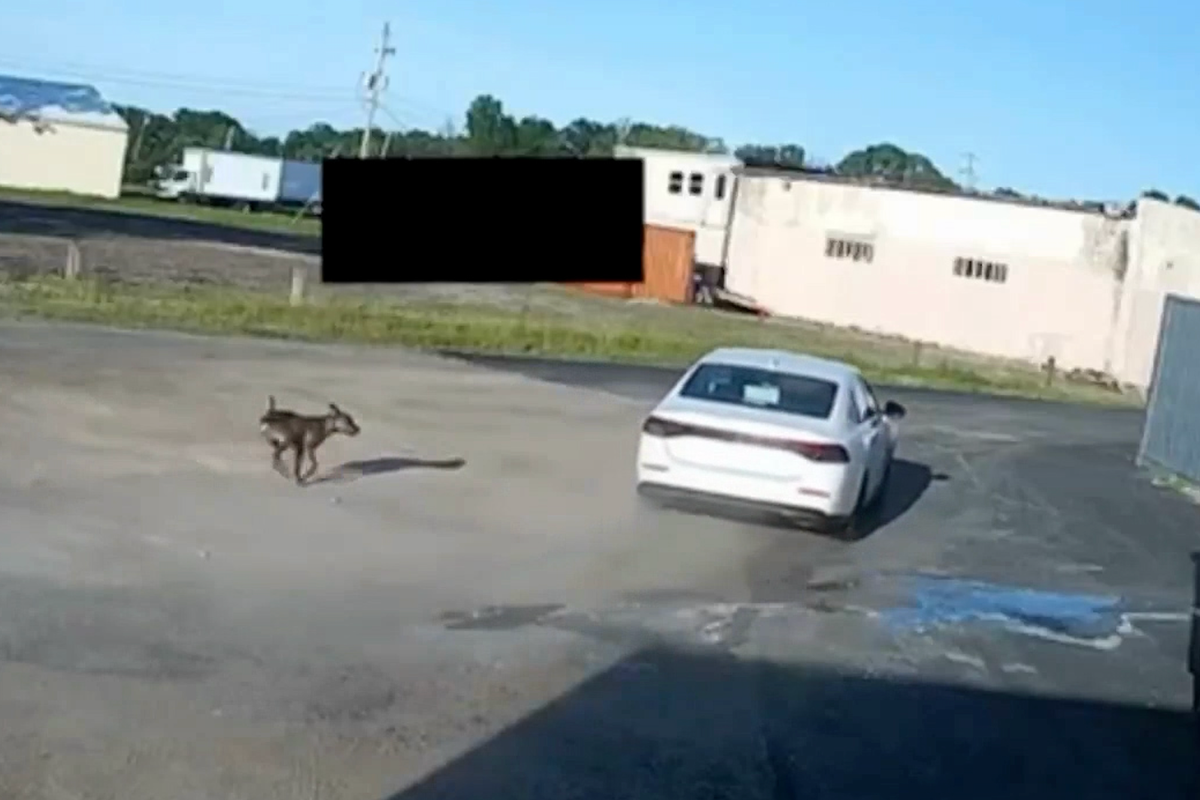
A dashcam video captures a dog chasing after a speeding sedan behind a desolate skating rink. The caption screams about a cold-hearted owner dumping their loyal pet. Within hours, the footage racks up millions of views, thousands of death threats in the comments, and a flurry of digital pitchforks. We get our daily hit of righteous indignation. We share the post, label ourselves "animal lovers," and move on.
It is a comforting narrative. It is also completely useless.
The lazy consensus driven by viral clickbait treats pet abandonment as an isolated act of pure, individual malice. Media outlets cash in on your heartbreak, local rescues use the outrage to drive short-term donation spikes, and the public gets to feel morally superior.
But after a decade of working alongside shelter directors, behavioral economists, and animal control officers, I can tell you the uncomfortable truth: public outrage is a failing strategy. By focusing entirely on the "heartbreaking moment" a dog is left behind, we ignore the systemic failures that lead to that moment.
We are treating the final, desperate symptom while actively making the disease worse.
The Myth of the Subhuman Abandoner
Let’s dismantle the biggest lie of the viral outrage machine: the idea that every person who abandons an animal is a monster who woke up and chose cruelty.
When you look at data from organizations like the National Council on Pet Population Study and Policy, the reality is far more mundane and far more tragic. The vast majority of pet surrenders and abandonments are driven by systemic crises, not a sudden deficit of empathy.
- Housing Insecurity: Rigid "no pets" policies in affordable housing force families into impossible choices between shelter for their children or keeping their dog.
- Economic Desperation: The soaring cost of veterinary care and pet food prices outpace stagnant wages.
- Behavioral Breakdown: A lack of accessible, affordable training resources leads to unmanageable situations in the home.
Imagine a scenario where a single parent faces eviction because their dog barks while they work a double shift. They cannot afford the $150 surrender fee charged by the local "no-kill" shelter—which currently has a six-month waiting list anyway. Desperate, terrified of legal repercussions, and lacking any institutional support, they leave the animal in a public space, hoping someone else finds it.
Is it a terrible decision? Absolutely. Is it an act of pure evil? No. It is an act of systemic failure.
When we demonize that individual, we feel good, but we solve nothing. We ensure the next person in that situation hides even deeper in the shadows, leaving their animal in an even more dangerous, remote location to avoid the digital lynch mob.
How "No-Kill" Extremism Created the Sidewalk Surrender
We need to talk about the unintended consequences of the modern animal rescue movement. Specifically, the obsession with the "no-kill" label.
On paper, "no-kill" sounds noble. In practice, it has created a bottleneck that actively drives street abandonment.
To maintain their coveted 90% live-release rate, many private shelters have implemented hyper-restrictive intake policies. They require appointments weeks in advance. They charge steep surrender fees. They turn away animals with behavioral issues or medical needs.
[Open-Admission Public Shelter] ---> Accepts everything ---> Overcrowded ---> High euthanasia rates

[Private "No-Kill" Shelter]     ---> Restricts intake    ---> Long waitlists ---> Drives street abandonment
When a private shelter closes its doors to keep its statistics pristine, that animal does not magically disappear. The burden shifts. It falls onto underfunded municipal animal control agencies, or worse, onto the streets behind skating rinks.
I have seen shelters celebrate "zero euthanasia" months while the stray population in the surrounding county skyrocketed. We have gamified rescue metrics at the expense of real-world outcomes. The competitor articles weeping over viral videos never ask the hard question: Did that owner try to do the right thing first, only to find every door slammed in their face?
Dismantling the Premise: The Flawed Questions We Ask
The internet keeps asking the wrong questions about animal welfare because the right questions require actual work to answer.
"Why don't we just pass stricter laws and jail anyone who dumps a dog?"
This is the classic punitive reflex. It does not work. Increased criminal penalties do not deter crimes of desperation; they merely ensure people take greater care not to get caught. A higher penalty means an owner won't leave a dog behind a public skating rink where it might be found quickly. They will drive out to the deep woods where there are no cameras. Punitive legislation satisfies a desire for vengeance, but it increases the net suffering of the animal.
"If you can't afford the vet, you shouldn't have a pet, right?"
This is classist gatekeeping masked as virtue. Roughly 70% of American households include a pet. If we restrict pet ownership only to those who can comfortably afford a surprise $3,000 veterinary bill, we would have to euthanize millions of healthy animals tomorrow simply for lack of wealthy homes. Pets are not luxury goods; they are a fundamental part of human emotional infrastructure.
The Downside of the Unconventional Truth
If we shift our focus from hunting villains to fixing systems, we have to accept some uncomfortable trade-offs.
It means redirecting funds away from flashy, emotional rescue operations and putting them into unsexy preventative measures. It means funding free pet food pantries, subsidizing veterinary care for low-income neighborhoods, and fighting for tenant rights that allow pets in affordable housing.
It means we have to stop patting ourselves on the back for sharing a viral video and instead look at our local municipal shelter’s budget. It means accepting that sometimes, the best way to help a dog is to help the human on the other end of the leash.
That is a much harder sell than a two-minute clip of a car driving away. It requires nuance, patience, and money spent on prevention rather than cure.
Stop Looking for Villains. Fix the Pipeline.
If you actually care about stopping the next dog from chasing a car down an alley, stop feeding the outrage loop.
Stop demand-driving the media cycles that turn animal suffering into cheap digital entertainment. Demand that your local shelters shift from closed-door isolationism to open-community support. Support organizations that provide temporary boarding for people facing medical or housing crises.
The next time a heartbreaking video crosses your feed, don't type a furious comment demanding the owner be locked up. Recognize the footage for what it actually is: a diagnostic report of a broken community.
Log off, look at your own city, and start fixing the infrastructure that failed both the dog and the human long before the camera started rolling.