The air in the tea houses of South Tehran is thick, not just with the scent of cardamom and tobacco, but with a specific, heavy kind of waiting. It is the waiting of a people who have seen the world change overnight before. For decades, one man has been the gravity holding the complex, fractured celestial body of Iran in orbit. When that gravity fails, the pieces won't just drift. They will collide.
Ali Khamenei is not merely a politician. He is the Rahbar—the Supreme Leader. He is the final arbiter of law, the commander of the armed forces, and the spiritual anchor for a system that prides itself on being a "theocratic democracy." But he is also a man born in 1939. Biology is the one force even a Supreme Leader cannot veto.
When the state media eventually breaks the news, it won't be with a sudden flash. It will likely begin with a Quranic recitation, a somber tone that signals the end of an era. In that moment, the 85 million people living between the Caspian Sea and the Persian Gulf will hold their breath. They aren't just wondering who is next. They are wondering if the ground beneath their feet is still solid.
The Mechanics of the Ghost
To understand the chaos, you have to understand the machine. Iran operates on a dual-track system: a transition of power that is surgically precise on paper but messy, visceral, and potentially violent in practice.
The Assembly of Experts is the body charged with picking the successor. Imagine eighty-eight elderly clerics, mostly men who have spent their lives studying jurisprudence, locked in a room to decide the fate of a nuclear-threshold state. This isn't a simple vote. It is a high-stakes poker game where the chips are the loyalty of the Islamic Revolutionary Guard Corps (IRGC) and the control of billions of dollars in "bonyads," or charitable trusts.
Legally, the process is straightforward. They meet, they deliberate, and they choose a mujtahid—a top-tier Islamic scholar—to take the mantle. But the reality is far more shadowed. The IRGC, once a ragtag militia born from the 1979 revolution, has morphed into a sprawling military-industrial conglomerate. They control the ports. They control the missiles. They control the infrastructure. They do not want a leader who will trim their sails. They want a partner, or better yet, a figurehead.
The Shortlist of Shadows
Who sits at the table when the music stops?
For years, Ebrahim Raisi was the clear frontrunner. He was the protégé, the "Hanging Judge," the man who proved his loyalty through decades of unwavering hardline service. But history has a dark sense of irony. His death in a helicopter crash in May 2024 didn't just remove a candidate; it shattered the carefully laid succession plan of the establishment. It left a vacuum that nature—and Tehran—abhors.
Now, the eyes of the bazaar and the barracks turn to two distinct possibilities.
The first is a name rarely spoken aloud in the corridors of power without a glance over the shoulder: Mojtaba Khamenei. He is the Supreme Leader's second son. In many ways, he has been the shadow administrator of his father’s office for a decade. He knows where the bodies are buried because he helped dig the graves. But there is a problem. The 1979 revolution was fought to end a monarchy. To pass the turban from father to son smells too much like the Pahlavi dynasty they overthrew. It is a risk that could delegitimize the entire "Islamic" nature of the Republic.
The second path is the "Council." If the Assembly of Experts cannot agree—if the factions of the IRGC and the traditional clergy reach a stalemate—the constitution allows for a leadership council. This would be a committee of three or five men. Governance by committee is rarely a recipe for stability in a region that demands a strongman. It would be a recipe for a slow-motion civil war within the halls of the Deep State.
The Digital Shroud and the Street
While the clerics argue, the people of Iran will be watching a different screen. For the average 25-year-old in Tehran, the death of the Supreme Leader isn't a theological crisis; it is an opening.
Consider a hypothetical student named Farhad. He lives in a small apartment in Isfahan. He uses a VPN to access Instagram and Telegram because the state has throttled his internet for years. To him, the Rahbar is a figure from a history book, a black-and-white image on a classroom wall that has dictated what he can wear, who he can love, and why his currency is worth a fraction of what it was five years ago.
In the hours after the announcement, the government's first move won't be a speech. It will be a digital blackout. They will kill the internet to prevent "Woman, Life, Freedom" style protests from coalescing. They know that the most dangerous moment for any authoritarian regime is the moment of transition. It is the blink of an eye when the grip loosens just enough for a prisoner to reach for the keys.
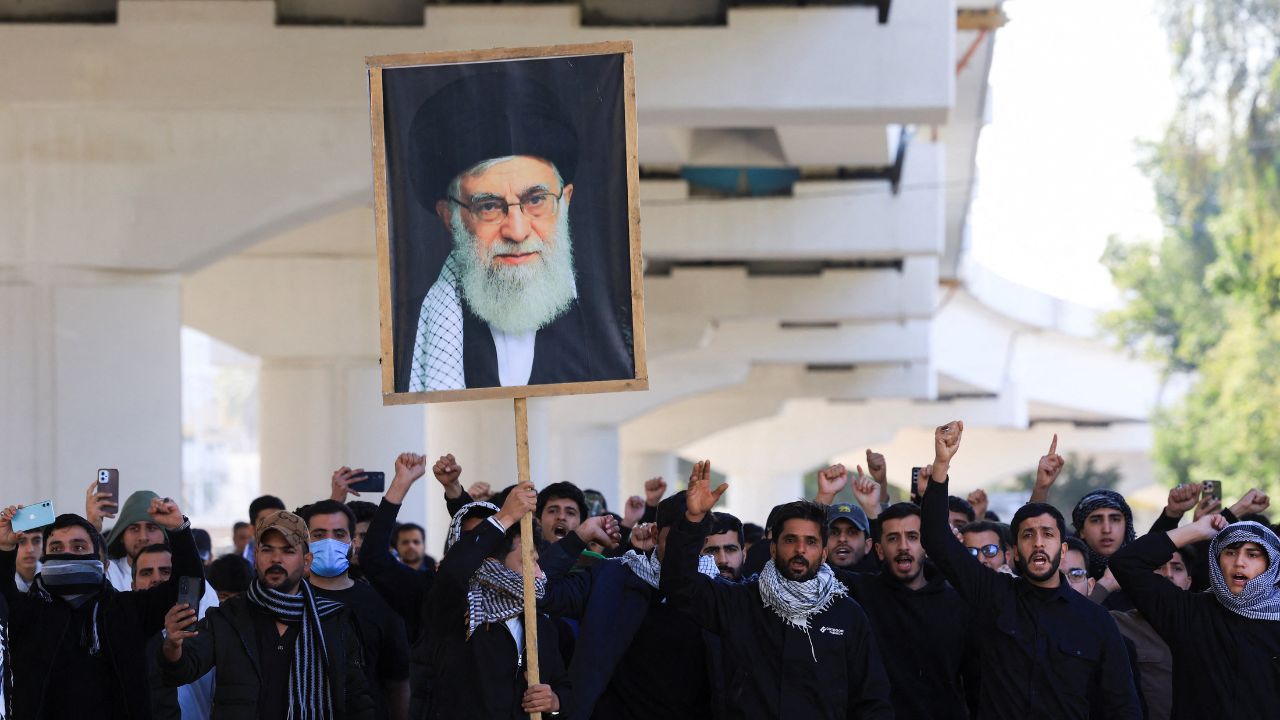
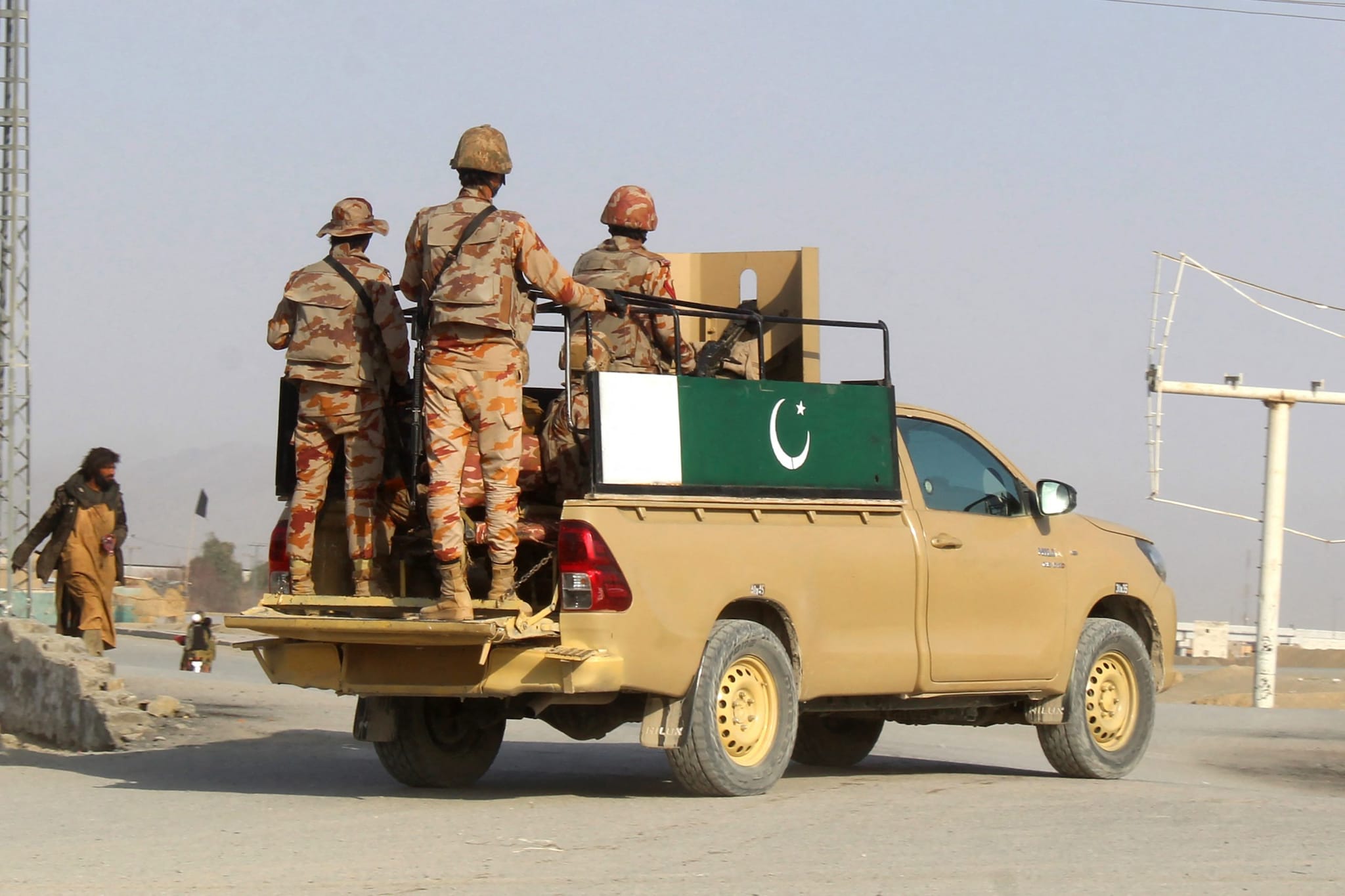
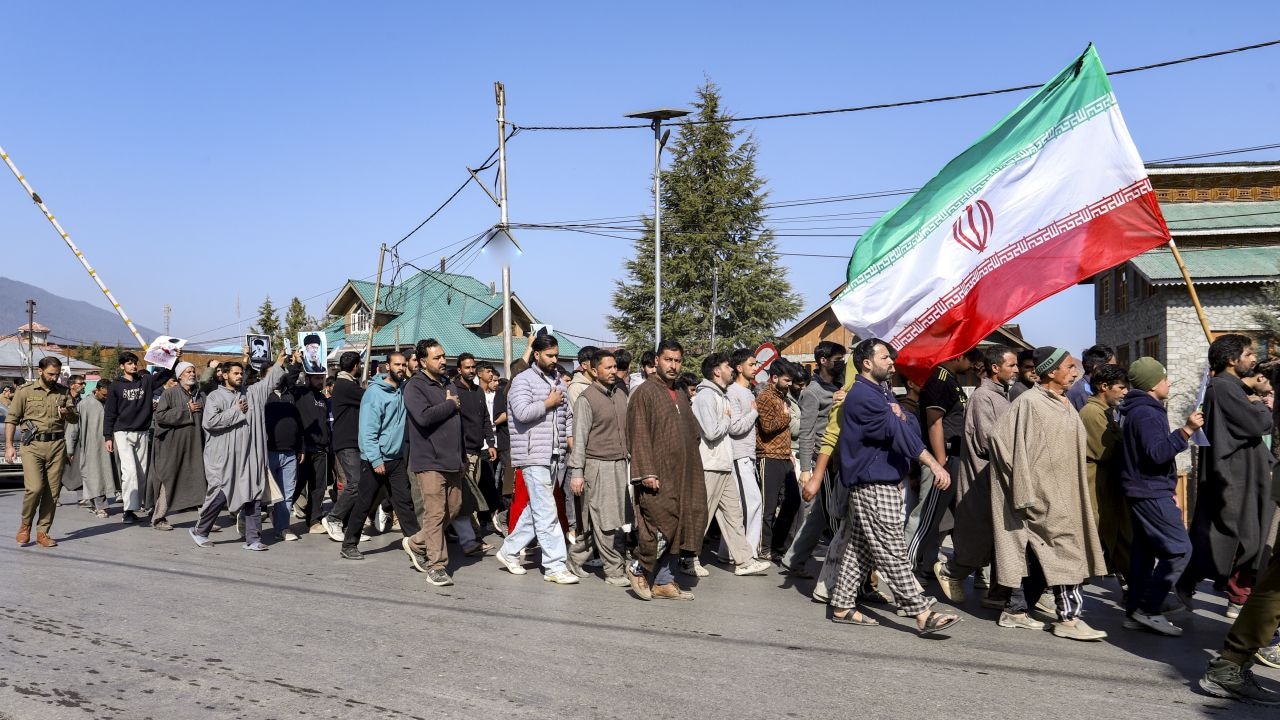
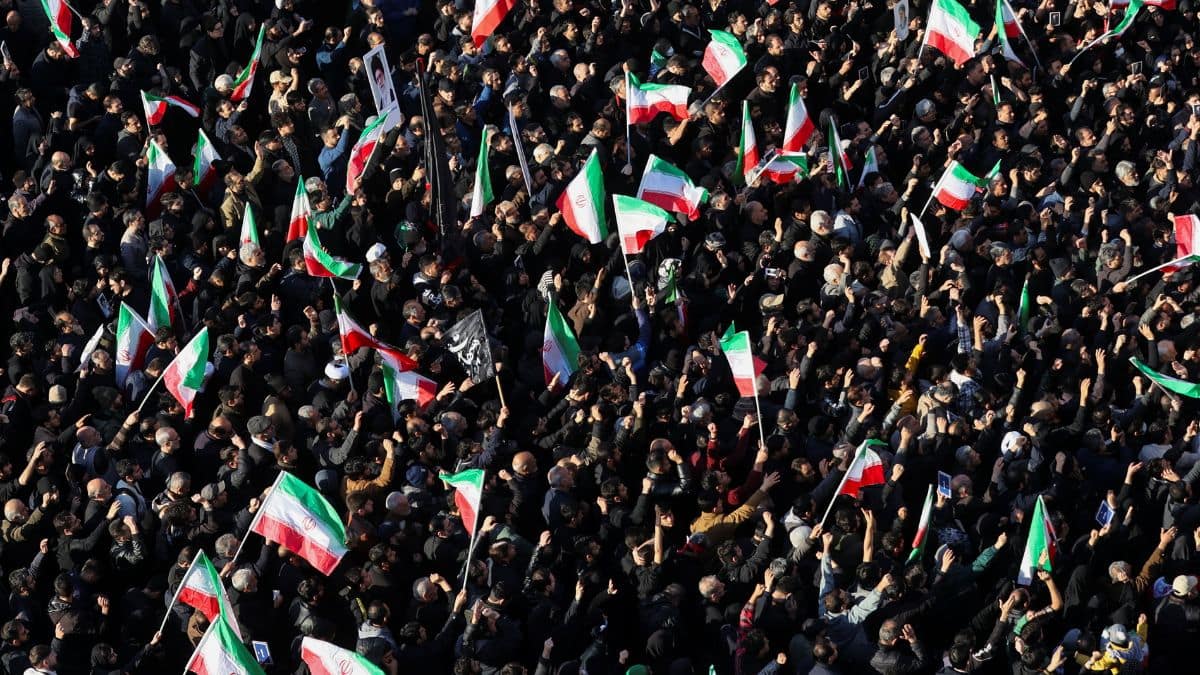
The IRGC will flood the streets. Not with flowers, but with the Basij—the plainclothes morality police and paramilitaries. Their job is to ensure that the mourning period looks like a monolith. They need the world to see a sea of black-clad mourners in the streets, a visual mandate that the system is still loved. But behind the closed doors of those mourning households, the conversation will be about whether this is the day the wall finally cracks.
The Invisible Stakes of the West
The world watches because Iran is not an island. A transition in Tehran vibrates through the tunnels of Gaza, the mountains of Lebanon, and the Red Sea shipping lanes.
The "Axis of Resistance"—Hezbollah, Hamas, the Houthis—depends on the personal patronage of the Supreme Leader’s office. Khamenei has been the chief strategist of this proxy network. A new leader might be more provincial, more focused on internal survival, or conversely, more reckless in an attempt to prove their "revolutionary" credentials to the hardliners.
Then there is the nuclear question. Iran is closer to a bomb than at any point in history. A succession crisis often leads to "over-compensation." To prevent a domestic coup or a foreign intervention during the transition, the interim leadership might decide that the only way to ensure the survival of the Republic is to cross the threshold. To go nuclear is to buy an insurance policy against regime change.
It is a terrifying gamble.
The Sound of a Falling Turban
The transition will not be a single event. It will be a season of paranoia.
Purges will happen. High-ranking generals who whispered to the wrong cleric will disappear. Reformists who hoped for a "thaw" will likely find themselves under house arrest or worse. The system will prioritize "Nezam"—the preservation of the system—above all else, including the economy or human rights.
But there is a limit to how much pressure a vessel can take. The Iranian people are highly educated, deeply connected despite the filters, and increasingly exhausted. They have lived through the 1979 revolution, the eight-year war with Iraq, the Green Movement of 2009, and the bloody crackdowns of 2022. They are a population that has mastered the art of "stealthy freedom."
When the seat becomes empty, the biggest threat to the Islamic Republic isn't an American carrier group or an Israeli airstrike. It is the realization among the people that the fear which has governed them for forty-five years is held together by the will of a single, mortal man.
The Morning After the Funeral
Eventually, the mourning posters will fade. A new face will be hoisted onto the billboards. The state will announce that the transition was "divinely guided" and "seamless."
But the air in the tea houses will have changed.
The new leader will inherit a country where the water tables are drying up, the inflation rate is a fever, and the youth have checked out of the ideological project entirely. You cannot rule a country of 85 million people through a shadow cabinet and a paramilitary force forever. At some point, the leader has to look out the window and realize that the people aren't cheering; they are waiting for the next person to fall.
The real story of what happens after Khamenei isn't written in the minutes of the Assembly of Experts. It is written in the silence of the streets. It is a silence that feels less like peace and more like the breath taken before a scream.
A chair is removed. Another is brought in. But the room is already on fire.
Would you like me to analyze the specific economic indicators that might trigger the first wave of unrest during the transition period?