Every critic in town is high-fiving over The End of Oak Street, calling it a gonzo thrill ride and a midnight-movie miracle. They love the neon-drenched chaos. They adore the frantic pacing. They are patting themselves on the back for championing a picture that moves fast enough to blur its own structural flaws.
They are dead wrong.
What the mainstream press is celebrating as subversive energy is actually a hollowed-out corporate exercise in sensory overload. I have sat through enough pitch meetings and script rewrites to spot a manufactured cult classic before the second reel even rolls. This movie is not wild. It is panicked. It mistakes noise for momentum and cruelty for wit.
The Lazy Consensus of Chaos
The critical establishment has fallen into a predictable trap. Whenever a mid-budget indie throws enough fake blood, strobe lights, and screaming actors at the screen, reviewers trip over themselves to crown it punk rock. They call it anarchic. They call it unfiltered.
Imagine a mechanic taking a sledgehammer to your engine block, setting fire to the dashboard, and then asking you to applaud the sheer velocity of the smoke. That is what watching The End of Oak Street feels like.
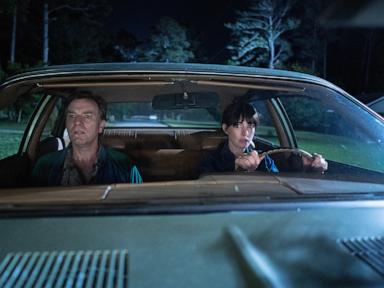
The plot, such as it is, revolves around a neighborhood block party gone horribly, absurdly wrong. Yet the script treats its own premise with profound contempt. Characters are discarded not to build tension, but because the writers simply ran out of jokes and needed a body count to wake the audience up.
The Anatomy of a Misfired Genre Exercise
To understand why this film fails, we have to look past the surface gloss and examine the mechanics of modern shock cinema. True transgressive art creates discomfort by holding a mirror to societal anxieties. The End of Oak Street just points a strobe light in your eyes and yells until your ears ring.
- Pacing as a Mask for Vacancy: Action scenes are edited at a seizure-inducing frequency to hide the fact that nothing of consequence is happening on screen.
- The Irony Shield: Whenever a scene threatens to possess actual emotional weight, the director drops a cheap gag or a cynical quip to puncture the moment. It is cowardice masquerading as cool detachment.
- Performative Edgy Aesthetics: The visual style borrows heavily from vintage exploitation cinema without understanding the economic or cultural necessity that birthed those films.
I have watched studios pump millions into trying to manufacture midnight movies in a laboratory, and this is the exact blueprint they use. Real underground cinema bubbles up from a place of genuine desperation and grit. This picture smells entirely of a board room trying to reverse-engineer a viral TikTok trend.
The Cost of Celebrating Mediocrity
When we reward hollow shock value, we starve the actual risk-takers. Every dollar and column inch spent praising this cynical exercise is oxygen stolen from filmmakers who are actually trying to say something new about human nature rather than just seeing how many absurd scenarios they can cram into ninety minutes.
The defenders of the film will tell you to lighten up. They will claim it is just a movie, a harmless Saturday night distraction, and that analyzing it too closely misses the point.
That is the ultimate cop-out. Art matters precisely because it shapes our expectations. If we accept frantic, empty noise as peak entertainment, we train studios to stop trying entirely.
Stop pretending panic is poetry. Stop confusing a sugar rush with substance.
The credits roll, the house lights come up, and the theater empties out into the cold night air. You realize you have just spent two hours cheering for a vacuum.