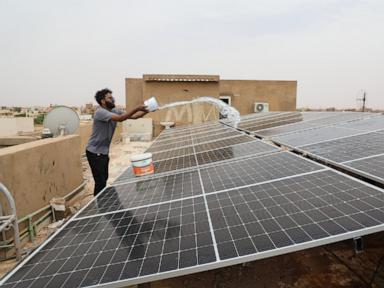
The complete destruction of Sudan’s centralized power matrix since April 2023 transformed electrical energy from a heavily subsidized public utility into a private luxury asset. With generation capacity plunging from 4,400 megawatts down to 1,100 megawatts and transmission damage reaching an estimated 3 billion US dollars, traditional grid infrastructure ceased to function as a viable economic input. The physical collapse of generation assets—accelerated by targeted drone strikes on power plants and the exodus of nearly half of the nation's certified electrical engineers—forced an immediate structural shift toward decentralized photovoltaic systems.
Yet, this transition exposes a severe economic contradiction. While global photovoltaic hardware prices plummeted by over 70 percent in international markets, local end-users in Sudan face soaring acquisition costs. Understanding this divergence requires dissecting the mechanics of the country's solar value chain, the destruction of institutional financing, and the harsh arithmetic separating survival from exclusion.
The Macroeconomic Mechanics of the Grid Failure
To evaluate the shift toward solar generation, the baseline state of Sudan’s power sector prior to the conflict must be established. Historically, the national grid relied on a mix of hydro and thermal generation, supported by massive state fuel subsidies. Industrial and residential consumers treated grid power as an inexpensive, infinitely elastic utility, while diesel generators served as localized backups for agricultural irrigation and urban commercial hubs.
The outbreak of hostilities instantly fractured this ecosystem through three distinct vectors:
- Asset Annihilation: Physical damage to high-voltage transmission lines, sub-stations, and primary generation facilities created permanent structural deficits that cannot be repaired under active combat conditions.
- Human Capital Flight: The emigration of specialized technical labor severed the institutional knowledge base required to operate, maintain, or re-engineer complex grid architecture.
- Fuel Supply Chain Severance: Liquid fuel logistics collapsed. Diesel and gasoline either vanished from local markets or experienced exponential price inflation, destroying the operational viability of fossil-fuel backup generators.
As grid reliability dropped to zero and urban centers faced blackouts lasting up to 16 hours daily, the market was forced to substitute centralized power with localized generation. Photovoltaic installations emerged as the only technically feasible alternative to keep critical infrastructure functioning.
The Value Chain Bottleneck: Global Disinflation Versus Local Inflation
The economic paradox of Sudan's solar market centers on the divergence between global manufacturing trends and local purchasing power parity. Internationally, solar modules experienced steep price contractions. However, importing these goods into a conflict zone introduces severe frictional costs that entirely negate global downward pricing trends.
The localized cost structure is dictated by four compounding variables:
- Currency Depreciation: The collapse of the Sudanese Pound transformed imported capital goods into high-liability investments. A standard 550-watt photovoltaic panel that traded for roughly 75,000 Sudanese Pounds before the conflict escalated past 330,000 Pounds, with storage batteries and inversion units seeing even sharper inflation multiples.
- Logistics and Transit Friction: Importing hardware through secure border checkpoints requires traversing vast geographic distances under high security risks, driving transport and insurance premiums upward.
- Customs and Regulatory Friction: Inconsistent regulatory enforcement and arbitrary border taxation compound the final delivered cost of raw components.
- The Financing Desert: Traditional commercial lending structures have dissolved. Institutional credit facilities offering affordable long-term loans are non-existent. Available capital markets demand short repayment windows of six to eight months paired with prohibitive interest rates ranging from 20 to 35 percent.
Consequently, a residential-grade 10-kilowatt photovoltaic system requires an upfront capital outlay approaching 5,000 US dollars. In an economy where a significant portion of the population lives at or below subsistence levels, this financial threshold acts as an absolute exclusionary barrier.
Sectoral Disparities: Survival Versus Economic Stagnation
The inability to finance decentralized energy creates a bifurcated economy divided cleanly between asset-rich entities and energy-starved populations. This divide manifests across distinct vertical markets with varying operational tolerances.
Agricultural Irrigation
Agricultural producers face an acute operational squeeze. Traditional farming operations relied entirely on diesel-powered pumps to pull water from subterranean aquifers. As diesel prices multiplied, farmers who failed to transition to solar irrigation experienced immediate yield contractions. For example, commercial agricultural output in regions like Gadarif dropped significantly as farmers were forced to scale down cultivation cycles due to power and fuel rationing. Farmers who secured capital for multi-phase inverters and solar arrays insulated their yield chains, proving that clean energy in this context is an operational necessity rather than an environmental choice.
Healthcare Infrastructure
The human cost of energy exclusion is starkly visible within the medical sector. Thermolabile pharmaceuticals, including vital insulin supplies and vaccines, require continuous cold-chain storage. Pharmacies and regional clinics lacking autonomous solar generation lose their entire pharmacological inventory every few days due to unmitigated ambient heat and chronic blackouts. Major hospitals struggle to maintain uninterrupted surgical and dialysis services, placing chronic-care patients at severe risk.
Urban Households and Telecommunications
Urban centers demonstrate stark inequality. Wealthier households and micro-enterprises supported by international remittances can absorb the capital expenditure of rooftop panel arrays. Conversely, low-income urban residents remain entirely disconnected, relying on public charging kiosks or plunging into darkness. Simultaneously, national telecommunications providers maintain baseline connectivity only by deploying expensive hybrid configurations combining diesel generators, batteries, and solar arrays to protect their core subscriber base.
Strategic Pathways for Market Correction
The systemic reliance on solar power as a baseline economic survival mechanism requires targeted policy interventions to resolve the capital bottleneck. Without structural changes, clean energy will remain trapped as an elite asset while the broader economy stagnates.
Microfinance institutions must restructure lending products away from short-term, high-interest models toward multi-year credit lines backed by international development agencies. Risk-mitigation guarantees can lower commercial lending rates, enabling smallholder farmers and urban small businesses to amortize capital costs over productive life cycles.
Simultaneously, establishing domestic assembly and maintenance supply chains—paired with technical training programs to re-employ displaced electrical engineers—will reduce dependence on imported finished goods. Aligning trade policies to eliminate tariffs on essential renewable energy components represents the baseline fiscal prerequisite for restoring productive capacity across the country.