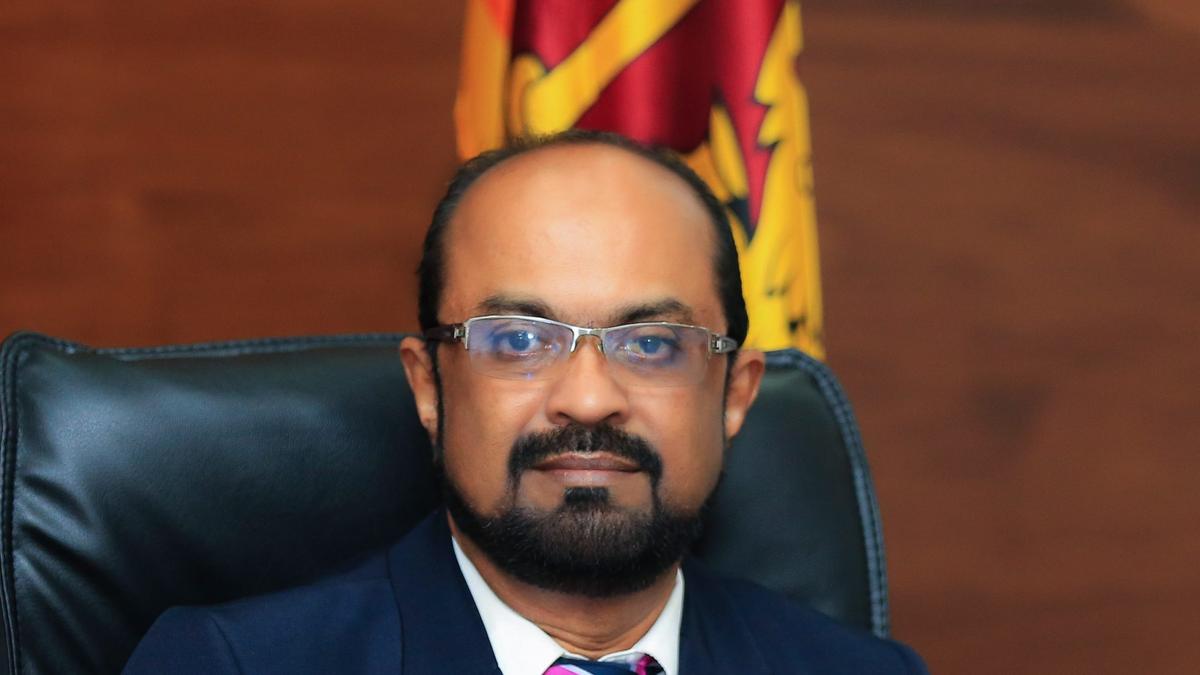
Winning a vote doesn't always mean you've won the war. Just look at Kumara Jayakody. Last week, Sri Lanka's Energy Minister was standing tall in Parliament, watching a no-confidence motion crumble under a massive government majority. Fast forward to Friday, and he's out. He resigned, taking the Ministry Secretary, Udayanga Hemapala, with him.
The timing is enough to make anyone do a double-take. You don't usually see a minister walk away days after 153 MPs backed him up against just 49 opposition votes. But the heat over "dirty coal" imports for the Norochcholai power plant became too much for the National People’s Power (NPP) government to ignore, especially given its brand was built on cleaning up corruption.
The Coal Scandal That Wouldn't Die
The core of the problem isn't just a political disagreement. It's about actual black rocks that don't burn the way they're supposed to. The Lakvijaya Coal Power Plant in Norochcholai is the backbone of Sri Lanka’s grid, providing roughly 40% of the island’s electricity. When the coal is subpar, the plant chokes.
A damning special audit report recently pulled the curtain back on some seriously questionable math and even more questionable suppliers. Here’s what’s actually happening behind the scenes.
- Unregistered Suppliers: The audit revealed that Trident Company, which bagged a major tender, wasn't even fully registered when the ads for bids went out.
- Fake Credentials: The laboratory reports used to verify the coal at the loading port were essentially worthless because the lab’s license had been revoked.
- Missing Shipments: Because of procurement delays, there was a 40-day gap where no coal arrived at all, forcing the government to scramble for expensive emergency supplies.
Survival is Not the Same as Success
When the opposition Samagi Jana Balawegaya (SJB) brought the no-confidence motion, it felt like a standard political theater. Jayakody stayed defiant. He refuted the claims and his colleagues closed ranks. But the NPP government, led by President Anura Kumara Dissanayake, is in a tough spot. They can’t afford to look like the "same old" politicians they replaced.
The Criminal Investigation Department (CID) sealing the Lanka Coal Company headquarters on Saturday was the final nail. When your own President orders a probe into every coal deal dating back to 2009, sitting in the Minister’s chair becomes a liability. Jayakody says he’s stepping down to "make way for investigations." Honestly, he didn't have much of a choice.
Why This Matters for Your Electricity Bill
This isn't just about who sits in a fancy office in Colombo. It’s about why your power bill is so high. When Lakvijaya can’t run at full capacity because of low-quality coal, the Ceylon Electricity Board (CEB) has to switch to diesel and furnace oil.
Diesel is incredibly expensive compared to coal. Every time a shipment of bad coal arrives, the cost of generating a single unit of electricity spikes. The country already had to order 300,000 metric tons of emergency coal just to bridge the gap created by these procurement failures. That’s money Sri Lanka, still recovering from a massive financial crisis, simply doesn't have to waste.
The Long Road to Cleaning Up Energy
The resignation of a minister is a start, but it doesn't fix the systemic rot in how Sri Lanka buys its fuel. For years, the CEB has been accused of dragging its feet on renewable energy to keep the "coal and oil" commissions flowing.
If you're following this, keep your eyes on the new tender for the 2026-2027 season. The government claims they're back on a "normal timetable," but the real test will be whether they actually vet the suppliers this time.
Stop waiting for the government to tell you everything is fine. If you want to see if they’re serious, watch these three things.
- Check if the "emergency" fuel purchases continue into next month.
- Follow the CID's findings on the Trident Company contract.
- Look for any movement on the long-delayed renewable energy projects that would actually reduce the need for coal imports in the first place.