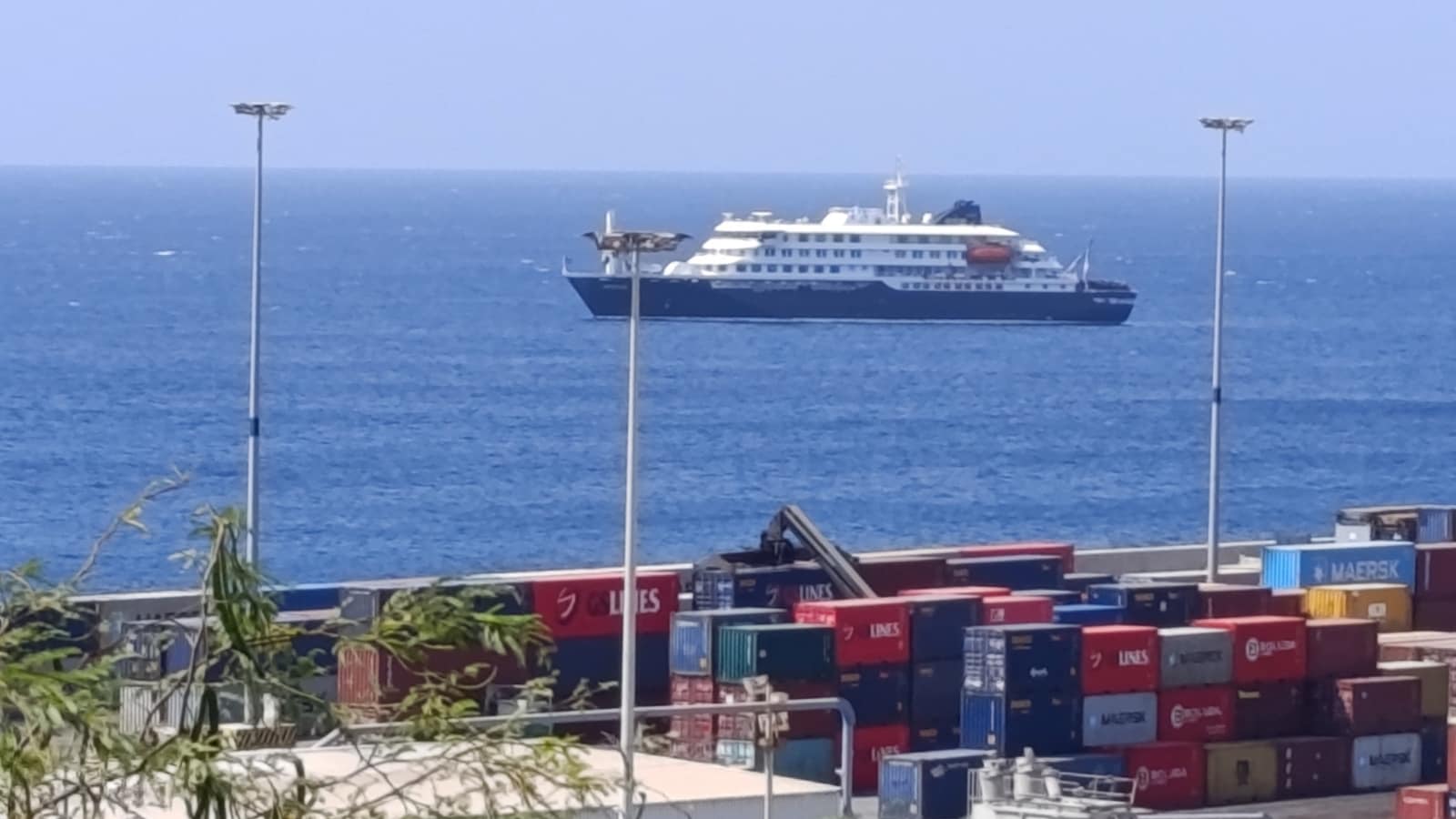
The convergence of international maritime tourism and localized viral endemicity creates a specific strain of logistical and public health risk that standard travel advisories fail to quantify. While recent reports have linked the departure of the MV Hondius from Argentina to a rise in Hantavirus cases, a rigorous analysis must move beyond simple correlation to examine the biological, environmental, and operational vectors at play. The risk is not a generalized threat to all travelers but a geographically bound, species-specific transmission cycle that requires precise mitigation strategies.
The Viral Transmission Mechanics of Orthohantavirus
Hantavirus Pulmonary Syndrome (HPS) in South America is primarily driven by the Andes virus (ANDV), a lineage distinct from the North American Sin Nombre virus. The critical differentiator is the mode of transmission. While most hantaviruses are strictly zoonotic—moving from rodent to human via aerosolized excreta—the Andes strain is the only variant with documented human-to-human transmission capabilities.
The transmission cycle functions through three distinct phases:
- The Sylvatic Phase: Environmental triggers, such as the masting (mass seeding) of bamboo species like Guadua chacoensis, lead to a population explosion of the long-tailed pygmy rice rat (Oligoryzomys longicaudatus).
- The Spillover Event: High rodent density increases the frequency of human contact, typically in rural or peri-urban settings where aerosolized viral particles are inhaled in confined spaces.
- The Secondary Transmission Phase: Specifically regarding ANDV, close-contact clusters (household or clinical settings) can facilitate direct human passage, significantly increasing the R0 (basic reproduction number) in localized outbreaks.
Geostatistical Risk Assessment of the Argentine Outbreak
The "rise" in cases reported near the departure points of Antarctic expeditions is a byproduct of the ecological overlap between the Andean-Patagonian forests and high-traffic transit hubs like San Carlos de Bariloche and Ushuaia. To assess the actual threat level to maritime passengers, we must weigh the Environmental Exposure Coefficient against the Operational Isolation of a cruise vessel.
The MV Hondius, as a polar class vessel, operates in a highly controlled environment. The probability of an onboard rodent infestation reaching the levels required for viral shedding is statistically negligible. Therefore, the risk is not "on the ship" but is instead an "imported incubation" risk. Given that HPS has an incubation period ranging from 1 to 8 weeks, a passenger infected on land in the Chubut or Río Negro provinces may only show symptoms once the vessel is deep into the Southern Ocean.
The Triad of Diagnostic Barriers in Remote Expeditions
Managing a viral outbreak in the context of Antarctic tourism introduces a structural bottleneck in medical response. The clinical progression of HPS is divided into two deceptive stages:
- The Prodromal Phase: Characterized by non-specific symptoms including fever, myalgia, and gastrointestinal distress. At this stage, HPS is indistinguishable from common influenza or Norovirus, which are frequent on cruise ships.
- The Cardiopulmonary Phase: A rapid onset of pulmonary edema and shock. The transition from "flu-like symptoms" to "respiratory failure" can occur in as little as 4 to 24 hours.
The operational challenge for a vessel like the MV Hondius is the lack of extracorporeal membrane oxygenation (ECMO) equipment. ECMO is the gold-standard intervention for severe HPS, providing the mechanical circulatory support necessary while the lungs recover from vascular leak syndrome. Without this, the case fatality rate (CFR) for Andes virus remains high, historically hovering between 25% and 40%.
Structural Vulnerabilities in Public Health Surveillance
The Argentine health ministry's data indicates that while the raw number of cases may fluctuate, the Virulence Index of the Andes strain remains constant. The perception of an "increase" often stems from improved diagnostic sensitivity and reporting mandates rather than a fundamental shift in the virus's biology.
However, the intersection of tourism and endemic zones creates a "Transient Reservoir" effect. International travelers act as mobile incubation units. If a traveler contracts the virus in a rural Patagonian cabin before boarding a ship, they bypass the local surveillance net. This places the burden of detection entirely on shipboard medical officers who may not be trained in the specific regional epidemiology of the South Andean corridor.
The Logic of Containment: A Strategic Protocol
To mitigate the risk of a Hantavirus-related crisis during high-latitude expeditions, operators must move beyond reactive measures and implement a preemptive biosecurity framework. This is not about cleaning the ship; it is about managing the human-environment interface before embarkation.
Pre-Embarkation Screening and Education
Standard health questionnaires are insufficient for HPS. The protocol must include a Geographic Exposure Audit. Travelers arriving from rural areas of the Andean-Patagonian forest within the previous 30 days must be flagged for heightened monitoring. Education should focus on the specific avoidance of "closed-structure" environments—sheds, barns, or long-vacant cabins—where the concentration of aerosolized Oligoryzomys excreta is highest.
Onboard Triage and Differential Diagnosis
Medical teams must utilize a weighted scoring system for any febrile illness reported during the first 21 days of the voyage. If a patient presents with fever and a sudden drop in platelet count (thrombocytopenia), HPS must be the primary working diagnosis until proven otherwise. The use of rapid diagnostic tests (RDTs) for Hantavirus is currently limited by sensitivity issues in the early prodromal phase, making clinical suspicion the most critical tool.
Medical Evacuation Constraints
The geographic isolation of Antarctic routes means that the time-to-treatment often exceeds the window of survival for the cardiopulmonary phase. A strategic assessment of evacuation routes must identify the nearest facilities with ECMO capabilities—primarily located in Santiago, Chile, or Buenos Aires, Argentina. The logistical lag in coordinating a medevac from the Drake Passage or the Antarctic Peninsula constitutes the single greatest risk factor for mortality.
Socio-Economic Implications for the Expedition Industry
The narrative of an "outbreak" near cruise ports threatens the high-margin expedition market through two primary channels: regulatory friction and consumer perception. Increased scrutiny from port authorities in Ushuaia or Punta Arenas can lead to mandatory quarantine periods or enhanced vessel inspections, disrupting tight seasonal schedules.
Furthermore, the industry relies on a "pristine environment" value proposition. The association with a high-fatality-rate virus—even if the risk of contraction is statistically low for the average tourist—creates a brand misalignment. The strategic response is not to downplay the virus but to demonstrate an institutional mastery of the risks through transparent biosecurity protocols.
Final Strategic Posture
The increase in Hantavirus activity in Argentina is an ecological reality driven by climate-induced rodent population dynamics. For maritime operators like those of the MV Hondius, the virus represents a low-probability, high-consequence event.
Operators must shift from a general "health and safety" mindset to a specialized Andean Biosecurity Model. This involves integrating regional epidemiological data into the pre-voyage briefing, equipping medical bays with advanced diagnostic tools for early platelet monitoring, and establishing pre-verified evacuation chains to centers of excellence in respiratory intensive care. The objective is to decouple the vessel from the regional endemicity through rigorous screening of the "incubation window" rather than attempting to sanitize the unsanitizable natural environment of Patagonia.