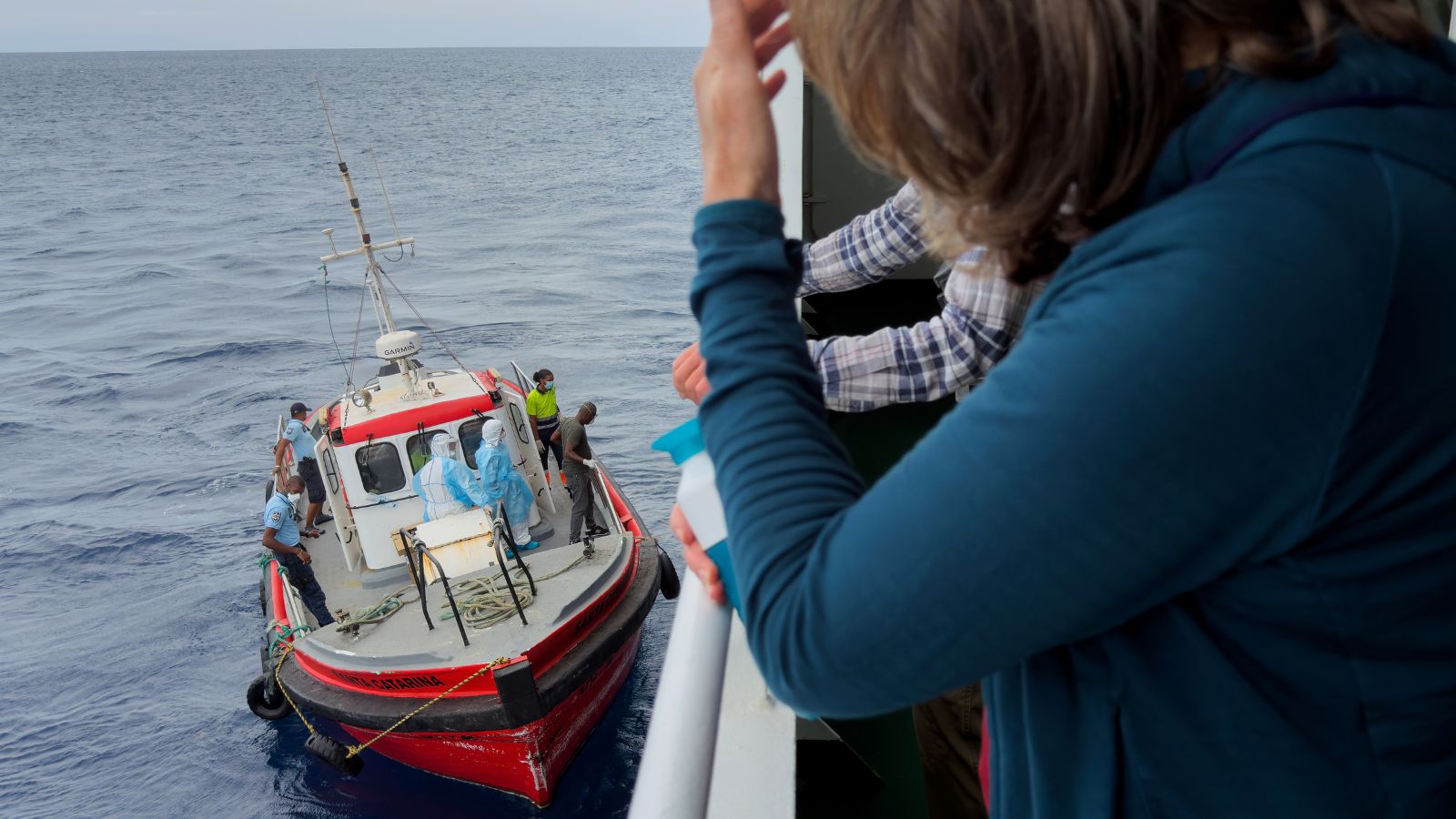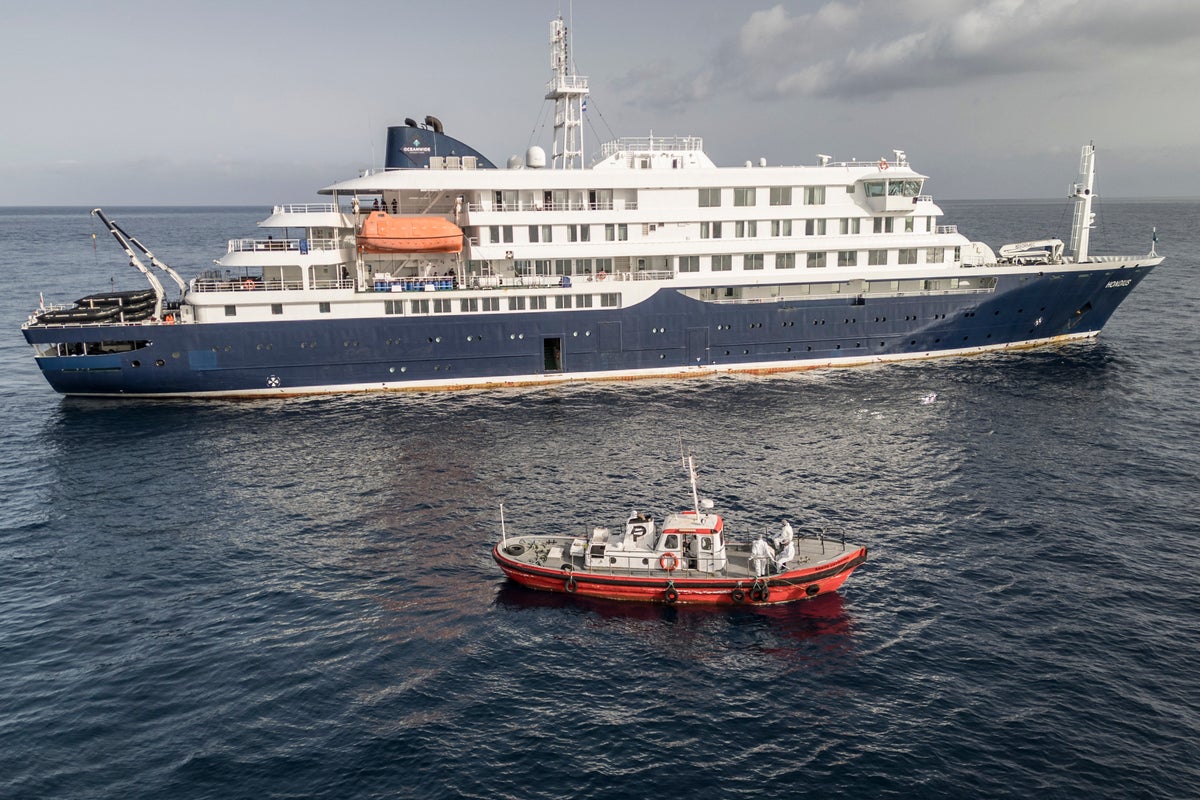
A deadly outbreak of hantavirus aboard the expedition cruise ship MV Hondius has triggered a high-stakes epidemiological dispute between Argentine federal authorities and local health officials in Tierra del Fuego. At the center of the debate is the index case: a 69-year-old Dutch tourist who, along with his wife, contracted the virus and subsequently died. Federal investigators hypothesized that the couple contracted the pathogen during a bird-watching excursion near a landfill in the southern port city of Ushuaia.
However, a rigorous analysis of the temporal, geographical, and biological vectors demonstrates that the probability of Ushuaia serving as the infection site is near zero. Misattributing the origin of this outbreak not only threatens the tourism-dependent economy of Tierra del Fuego but also obscures the true transmission mechanics of a dangerous pathogen. Resolving this dispute requires dissecting the outbreak through three analytical lenses: incubation timelines, ecological vector boundaries, and the unique transmission dynamics of the Andes hantavirus strain. For a deeper dive into similar topics, we suggest: this related article.
The Temporal Mismatch: Incubation Timelines vs. Exposure Windows
In epidemiological tracking, the relationship between exposure to a pathogen and the onset of symptoms is governed by a strict biological clock. For hantaviruses, this incubation period serves as the primary mathematical filter to rule out suspected geographical origins.
[Image of hantavirus transmission cycle] For additional information on this issue, detailed reporting can be read on WebMD.
The Timeline of the MV Hondius Index Case
- Arrival in Ushuaia: The Dutch couple arrived in Ushuaia for a 48-hour stay.
- Embarkation: The couple boarded the MV Hondius on April 1, 2026.
- Symptom Onset: The index patient first exhibited clinical symptoms on April 6, 2026, exactly five days after embarkation.
- Fatal Outcome: The patient died on April 11, 2026.
According to data maintained by the World Health Organization (WHO), the incubation period for hantavirus ranges from one to six weeks, with a median onset of 14 to 21 days. The minimum biologically viable incubation period observed in clinical literature is exceptionally rare at under seven days, with the vast majority of patients requiring at least 10 to 14 days to develop symptoms after inhaling aerosolized viral particles.
Applying this math to the Ushuaia exposure hypothesis reveals a critical bottleneck. For the Ushuaia landfill to be the source, the pathogen would have had to complete its incubation period in less than five days. While not biologically impossible under extreme viral load conditions, it is statistically highly improbable.
A far more plausible scenario is that exposure occurred during the couple's extensive four-month journey through other regions of Argentina, Chile, or Uruguay prior to arriving in Tierra del Fuego. By ignoring the broader travel history and focusing prematurely on the final port of departure, federal investigators committed a classic proximity bias error.
Ecological Incongruence: Vector Distribution and Regional Epidemiology
Pathogen transmission requires a viable reservoir. In the case of hantavirus, the virus is zoonotic, meaning it cannot persist in an environment without its specific rodent host.
[Infected Rodent] ---> [Excreta: Urine/Saliva/Feces] ---> [Aerosolization via Disturbance] ---> [Human Inhalation]
The primary reservoir for the Andes hantavirus strain is Oligoryzomys longicaudatus, commonly known as the long-tailed pygmy rice rat. The ecological requirements of this species dictate its geographical boundaries:
Habitat Limitations
- The long-tailed pygmy rice rat thrives in temperate forests, shrublands, and agricultural borders characterized by moderate temperatures and dense cover.
- The sub-Antarctic forest and cold, wind-swept environment of Tierra del Fuego do not support sustainable populations of Oligoryzomys longicaudatus.
Historical Case Data
Tierra del Fuego has never recorded a confirmed indigenous case of hantavirus. The Andes strain has not been active in the province since monitoring protocols were established. In contrast, provinces in central and northern Argentina, as well as specific regions of Chile, are endemic zones where the rodent reservoir is abundant and human-rodent contact is documented annually.
Suggesting that a localized, undocumented reservoir of Oligoryzomys longicaudatus exists at an Ushuaia landfill—and successfully infected two transient tourists within a 48-hour window—ignores fundamental ecological principles. The lack of localized cases among municipal landfill workers, who experience chronic exposure to the site, further invalidates the landfill hypothesis.
The Andes Strain Anomalies: Understanding Person-to-Person Transmission
What makes the outbreak aboard the MV Hondius uniquely alarming to global health authorities is the specific strain of the virus involved. Most hantaviruses, such as the Sin Nombre virus in North America, are strictly zoonotic and cannot spread from human to human. The Andes virus is the sole exception.
This strain possesses a rare biological capability to transmit between humans through close, prolonged contact. On an expedition cruise ship, where passengers share enclosed dining rooms, lecture halls, and cabins, the physical architecture of the vessel acts as an accelerator for this secondary transmission pathway.
The Chain of Infection on the MV Hondius
- Primary Exposure (Inland South America): The Dutch couple contracts the Andes hantavirus weeks before arriving in Ushuaia.
- Symptom Onset (At Sea): The index case becomes symptomatic on April 6.
- Secondary Transmission (Intra-Vessel): Close physical proximity, shared cabin space, and potential aerosolization during the early symptomatic phase allow the virus to jump to the patient's wife and subsequently to other passengers and crew members.
- Dispersal: By the time the vessel reached Cape Verde and redirected to the Canary Islands, at least eight confirmed or suspected cases had emerged, resulting in three deaths.
This secondary transmission cycle explains how an outbreak could expand within a closed maritime environment without requiring a localized environmental source at the port of departure. The ship itself became the vector.
Strategic Implications for Maritime Tourism and Regional Biosecurity
The rush by federal officials to attribute the source of the outbreak to Ushuaia carries significant economic consequences. Ushuaia is the primary gateway to Antarctica, hosting over 157,000 cruise passengers annually. In an economy already pressured by shifting national trade policies, a perceived biosecurity risk at this critical port could trigger a severe drop in future bookings.
To protect both public health and regional economic stability, health authorities must pivot from speculative geographic blaming to structural containment protocols:
- Implement Pre-Boarding Health Screenings: Cruise operators must require detailed travel histories from passengers who have spent time in known hantavirus-endemic regions of South America within the 30 days prior to embarkation.
- Standardize Isolation Protocols on Vessels: Because the Andes strain is transmissible between humans, maritime operators must treat early-onset febrile illnesses with respiratory symptoms as potential high-consequence pathogens, initiating immediate isolation rather than assuming non-infectious status.
- Establish Joint Regional Surveillance: Federal and provincial health bodies must coordinate diagnostic testing before releasing preliminary hypotheses to the media. This prevents damaging the reputation of safe travel hubs while the actual source of infection remains unverified.