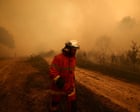
Europe faces a compounding environmental disaster as southern ecosystems burn with unprecedented intensity. Firefighters across the continent find themselves outmatched not by a lack of courage, but by a fundamental shift in how wildfires behave. Summer temperatures shatter historical records with terrifying regularity. Dry soils suck the moisture from vegetation months ahead of schedule. The old playbook for wildfire management no longer applies.
For decades, response strategies relied on containment and suppression. Forestry agencies cleared brush, built firebreaks, and mobilized heavy air tankers to drop water on active blazes. This approach worked when seasonal heat was predictable and fuel loads remained manageable. Today, those methods are failing because the sheer volume of dry biomass has outstripped firefighting capacity.
The Physics of Mega Fires
A standard wildfire behaves in predictable ways. It follows wind patterns, moves uphill slower than downhill, and consumes surface debris while leaving mature tree canopies largely intact. Modern European wildfires ignore these rules.
Extreme heatwaves combined with prolonged droughts create atmospheric conditions known as megafires. These events generate their own weather systems. Intense heat creates massive updrafts that suck in oxygen from miles around, feeding the flames with hurricane-force winds born from the fire itself.
Pyrocumulus clouds form above the infernos, sometimes reaching into the stratosphere. When these towering smoke clouds collapse, they send down violent, unpredictable gusts that scatter burning embers in every direction. Firefighters cannot anticipate the path of a blaze when the wind changes course by one hundred and eighty degrees in a matter of seconds.
The Vegetation Trap
The nature of European land use exacerbates the crisis. Rural depopulation over the past fifty years has left vast tracts of agricultural and forested land untended. Pastures that once grazed livestock are now choked with dense undergrowth.
When humans abandon the countryside, nature fills the void with rapid-growing, highly flammable scrub oak, pine, and invasive grasses. This accumulation of continuous fuel corridors allows sparks to travel uninterrupted across valleys and mountain ranges.
Traditional timber management often prioritized monoculture planting for commercial profit. Pine and eucalyptus plantations burn with explosive ferocity compared to resilient native deciduous forests like oak and chestnut. Eucalyptus bark peels away in strips while still burning, acting as airborne missiles that ignite new fires half a mile ahead of the main front.
The Limits of Aerial Fleets
Governments respond to these crises by purchasing more water-dropping aircraft. Fleet expansions offer a visible, reassuring action for politicians facing public panic. However, air tankers are tactical tools, not strategic solutions.
An aircraft cannot put out a fire buried deep beneath a thick forest canopy. Planes drop water that evaporates before it hits the ground when ambient temperatures exceed forty degrees Celsius. Furthermore, thick smoke grounds pilots during critical morning windows when visibility drops to zero.
Reliance on air support creates a dangerous dependency. Ground crews find themselves waiting for aerial drops instead of establishing robust perimeter lines. When smoke grounds the planes, the fires advance unchecked.
Rethinking Prevention
True resilience requires shifting resources away from emergency suppression and toward landscape-level prevention. This means reintroducing controlled burns, commonly known as prescribed fires, during cooler months to reduce fuel loads.
Controlled burning faces fierce political opposition. Local tourism boards worry that smoke will scare away summer visitors. Residents fear that a controlled burn might escape and destroy their homes. Yet, refusing to burn small amounts of fuel intentionally guarantees that nature will eventually burn everything catastrophically.
Pastoral practices also demand reinvigoration. Subsidizing small-scale livestock grazing in high-risk zones provides a natural form of brush clearance. Goats and sheep eat the invasive shrubs that feed modern wildfires, acting as biological maintenance crews for vulnerable hillsides.
The Economic Reality
Suppression costs escalate annually. European nations spend billions of euros each summer renting aircraft, deploying civil protection units, and paying for emergency infrastructure repairs. These funds treat symptoms while ignoring the root cause.
Investing in preventative land management requires upfront capital with returns that are difficult to measure on an electoral cycle. Preventing a fire that never happens does not generate headlines. Yet, every euro spent on clearing underbrush and restoring native biodiversity saves ten euros in property destruction and emergency relief.
Communities in high-risk zones must adapt their immediate surroundings. Building codes require strict updates. Wooden roofs, unsealed eaves, and dense pine trees planted directly against house walls invite disaster. Retrofitting rural properties with non-flammable materials and creating defensible space protects homes without needing a fire truck parked in every driveway.
The climate trajectory for the Mediterranean basin points toward longer, hotter dry seasons. Without a complete restructuring of forestry policies, land management incentives, and tactical firefighting doctrines, the landscape will continue to transform into a permanent burn scar.