Smoke chokes the air across southwestern France and parts of Spain as a quarter of a million people find themselves displaced by out-of-control blazes. French President Emmanuel Macron rushed to convene an emergency government meeting on Monday to handle the escalating crisis. The numbers are staggering. In France's Gironde region alone, flames have already scorched an area four times the size of Paris.
Across the border in Spain, the nightmare continues near Madrid and the Valencia region. Governments report that 76,000 individuals have fled for safety while another 30,000 remain confined indoors under heavy smoke alerts. These aren't normal seasonal brush fires. They are monster systems moving fast, threatening major metropolitan edges like Bordeaux, and disrupting the peak August tourist season entirely.
The Battle Lines in Gironde and Landes
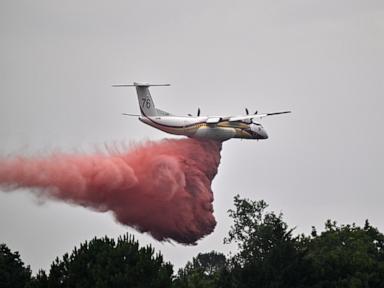
On the ground, firefighters are locked in a brutal race against time. Water-dropping aircraft circle through dense plumes of ash while ground crews try to carve containment lines. The Gironde prefecture noted that conditions turned "globally stable" overnight, giving emergency responders a brief window of relief.
That stability is fragile. Temperatures are forecast to spike sharply, creating dry, explosive conditions that could reactivate dormant embers. In the adjacent Landes region, a bit of overnight rain offered temporary help, but officials warn that changing winds can flip the situation in minutes.
Authorities aren't taking any chances with public safety. With peak vacation season hitting hard, regional administrators banned all holiday camps for children and disabled visitors across high-risk zones. Over 220,000 people have fled from towns and villages situated squarely between the massive blaze and the outskirts of Bordeaux.
Across the Border in Spain
Spain faces an equally grim reality. Evacuees describe scenes straight out of a disaster movie. Rocío Domínguez fled with her dog from Chapinería west of Madrid, noting that the heavy ash made daytime look like midnight. Families return mentally exhausted, staring down the uncertainty of whether their homes survived intact or reduced to rubble.
What Comes Next for Emergency Response
Macron pledged long-term state backing on social media, promising that the government will remain present for as long as it takes to rebuild. Yet, the sheer frequency of these extreme climate events exposes major gaps in European disaster readiness. Fire departments are stretched thin, aircraft capacity faces hard limits, and regional tourism economies take massive hits year after year.
As temperatures climb back up, the immediate priority remains containment and saving lives. Communities are left waiting, watching the skies, and hoping the next wind shift breaks in their favor.