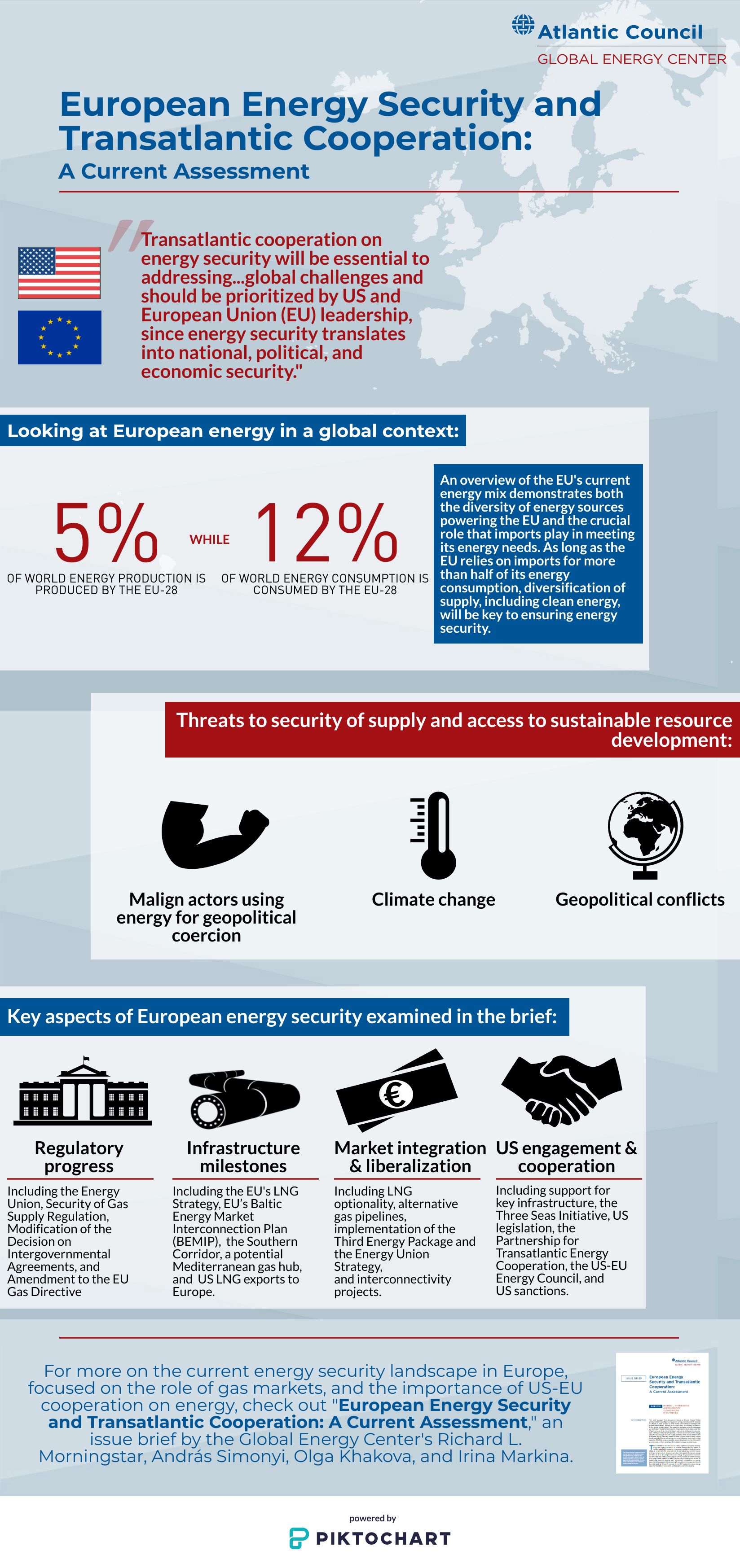
Europe thought it had a handle on energy. After the 2022 invasion of Ukraine, the continent performed what many called a miracle. It cut off Russian piped gas, built LNG terminals in record time, and filled storage tanks to the brim. It felt like the hard part was over. But it wasn't. The current instability in the Middle East, specifically the risk of a full-scale Iran war, is exposing a brutal truth. Europe didn't actually solve its energy crisis; it just traded one master for another.
If you look at the numbers, the shift is staggering. Before 2022, Russia supplied about 40% of the EU's gas. Now, that's down to less than 10%. To fill that void, Europe became the world’s most desperate buyer of Liquefied Natural Gas (LNG). Most of that comes from the US and Qatar. While the US is a stable ally, the Qatari supply relies entirely on the Strait of Hormuz. This is exactly where the Iran conflict hits the hardest.
The Hormuz Bottleneck Nobody Wants to Talk About
If the Strait of Hormuz closes or becomes a combat zone, the global energy market breaks. It's that simple. Around 20% of the world's total LNG supply passes through that narrow stretch of water. For Europe, this isn't just a distant geopolitical problem. It's a "lights out" problem.
Unlike the Ukraine crisis, where Europe had months to prepare and find alternatives, a Middle Eastern supply shock happens in real-time. You can't just build a new pipeline or find a new fleet of tankers overnight. If Iranian threats to shipping become a reality, the price of gas won't just rise. It'll teleport. We're talking about price spikes that make the 2022 winter look like the "good old days."
Why the Ukraine Playbook Doesn't Work This Time
When Russia cut the taps, Europe turned to the global market. They outbid emerging economies for every available molecule of gas. It was expensive, but it worked because the global supply was still largely intact—it just moved to different ports.
An Iran-driven crisis is different. It’s a net loss of supply. If Qatari LNG can't leave the Persian Gulf, there is no "other" market to buy from. The US is already exporting at near-maximum capacity. Norway is tapped out. Africa's infrastructure isn't ready. You’re left with a physical shortage that no amount of money can fix.
European leaders keep talking about "de-risking" and "strategic autonomy." It sounds great in a press release. In reality, Europe’s energy policy is now a hostage to two different wars at the same time. One war threatens the pipelines from the east, and the other threatens the sea lanes from the south.
The Renewable Myth and the Intermittent Reality
I hear this a lot: "This is why we need to go green faster." Sure, in theory. In practice, wind and solar don't heat homes in January or run heavy chemical plants in Germany. You need a baseload.
The push for renewables actually makes the gas problem more acute in the short term. Because we're retiring coal and nuclear plants, gas has to be the "bridge" fuel. When that bridge starts shaking because of a conflict in the Middle East, the entire transition plan starts to crumble.
Look at Germany. They shut down their nuclear plants and then their main gas supplier started a war. Now they're reliant on LNG. If that LNG gets stuck in the Middle East, Germany’s industrial heart doesn't just slow down. It stops. We're seeing a massive de-industrialization trend already. Companies are moving to the US or China where energy is cheaper and more reliable.
The Price of Moral High Grounds
Europe prides itself on its values-based foreign policy. That's fine until the bill comes due. By leaning so heavily on Qatari gas to replace Russian gas, Europe simply swapped one autocracy for another. It’s a game of musical chairs where the music is played by people who don't necessarily have Europe's best interests at heart.
There's also the internal friction. Hungary still buys Russian gas. Austria is still heavily dependent. Meanwhile, France is pushing nuclear while Germany fights it. This lack of a unified front makes Europe look weak. If Iran decides to squeeze the energy markets to pressure the West, they know exactly where the cracks in the EU are.
What Actually Happens If the Conflict Escalate
Let's get specific. If a war involves direct strikes on energy infrastructure in the Gulf, we aren't just looking at $100 oil. We're looking at $150 or $200 oil. Natural gas prices in Europe would likely triple from their current levels.
- Inflation returns with a vengeance. Everything you buy involves energy. Transport, packaging, manufacturing. If energy prices stay high for six months, the ECB can't lower interest rates.
- Rationing becomes real. Governments will have to choose between keeping the lights on in homes or keeping factories running. Usually, the voters win, which means the economy loses.
- Political instability. High energy bills are the fastest way to topple a government. We saw a rise in populism during the last spike. Imagine what happens if the next one is twice as bad.
Breaking the Cycle of Energy Panic
Europe needs to stop reacting and start building. That doesn't mean just more solar panels. It means a brutal, honest look at what it takes to be energy independent.
First, the obsession with the "spot market" for gas has to end. Long-term contracts are boring, but they provide security. Europe tried to be clever by buying gas on the cheap whenever it could, and it got burned.
Second, the nuclear taboo needs to die. You can't have energy security without a stable, domestic baseload. Countries like Poland and the Czech Republic get this. Others are lagging behind.
Third, we need more domestic production. It’s hypocritical to ban fracking in Europe while importing fracked gas from the US. If the continent wants to survive a Middle Eastern war without going broke, it needs to use every resource it has under its own soil.
The Middle East is a powder keg. Ukraine is a long-term grind. Europe is caught in the middle with an empty wallet and a cold radiator. The time for clever diplomacy is over. It’s time for hard infrastructure.
Start by looking at your local energy provider's source mix. If more than 30% of your grid's gas comes from the Middle East, expect volatility. Businesses should be hedging their energy costs now, not waiting for the next headline. If you're a policy maker, stop blocking domestic nuclear and gas projects. The luxury of "not in my backyard" died the day the first drone hit a tanker in the Gulf.