The media class is melting down over Dallas. Pundits who have spent decades worshiping conventional political wisdom are looking at the Republican Party's choice to host a national midterm convention and screaming about tactical suicide. They clutch their pearls over sagging approval ratings, point out that past Democratic midterm experiments in the late seventies fizzled into obscurity, and warn that tethering local congressional candidates to a polarizing incumbent is electoral malpractice.
It is a neat, tidy narrative. And it is entirely wrong.
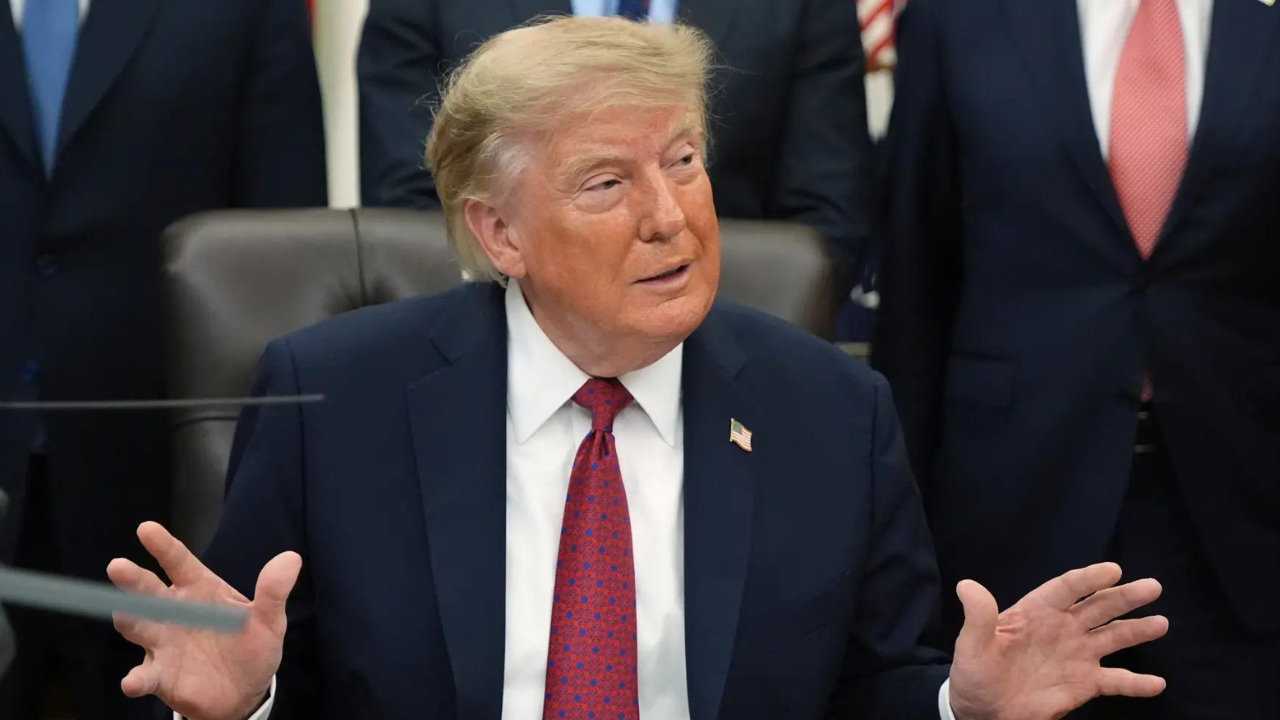
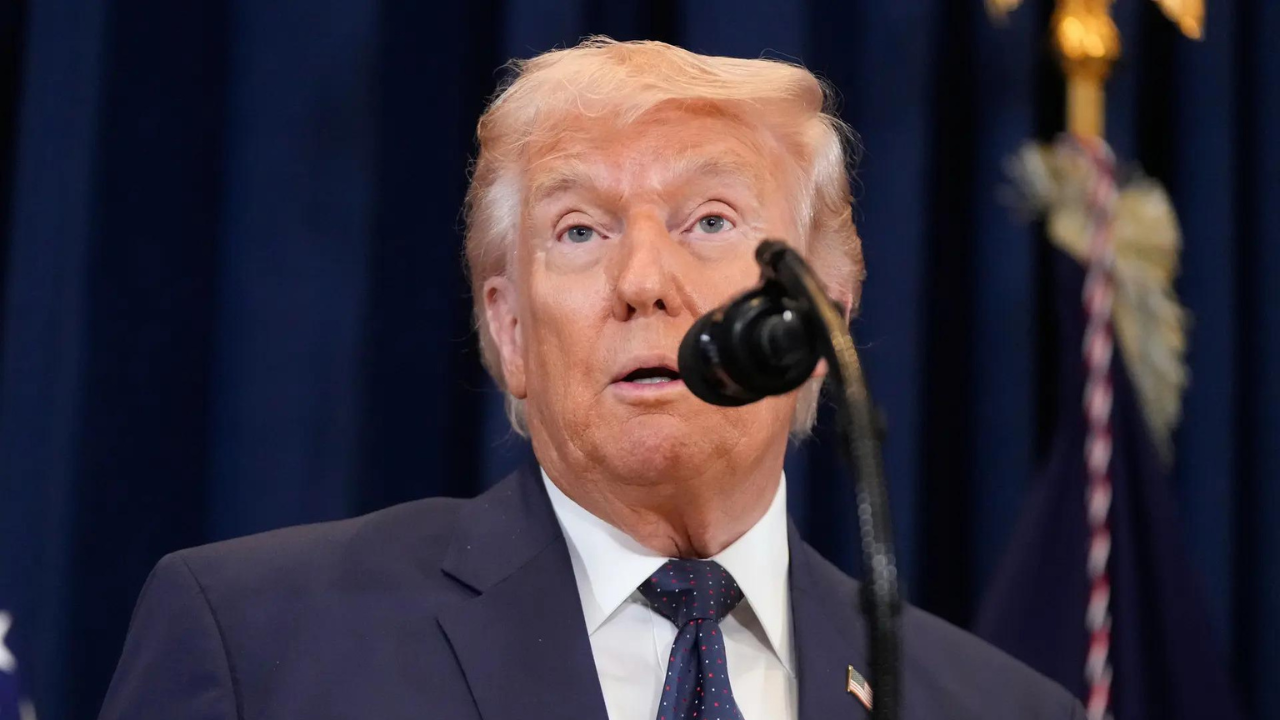
For thirty years, campaign consultants have pushed the gospel of hyper-localization. The dogma states that midterm elections must be fought in the trenches of zip codes, school boards, and localized potholes, keeping federal figures locked safely in Washington. Every consultant who has ever billed a campaign six figures for generic mailers is currently hyperventilating because Donald Trump refused to play by their tired playbook, dragging an arena-sized spectacle right into the teeth of the fall cycle.
They think this convention is an ego trip. They think it is a blunder. They fail to understand how modern attention economies actually function.
The Death of Localized Politics
The lazy consensus is that voters in competitive suburban districts care deeply about whether their local House candidate is operationally divorced from the national brand. Walk into any consulting firm on K Street, and they will tell you that a candidate in a purple district must run as an independent municipal manager who just happens to caucus with the GOP.
This theory belongs in a museum.
In an era of hyper-nationalized media consumption, nobody votes on local sewage treatment plants. Congressional races are proxy wars for control of the cultural and institutional apparatus. When a candidate tries to hide their national alignment, they do not win over independent voters; they simply deflate their own base. They project timidity.
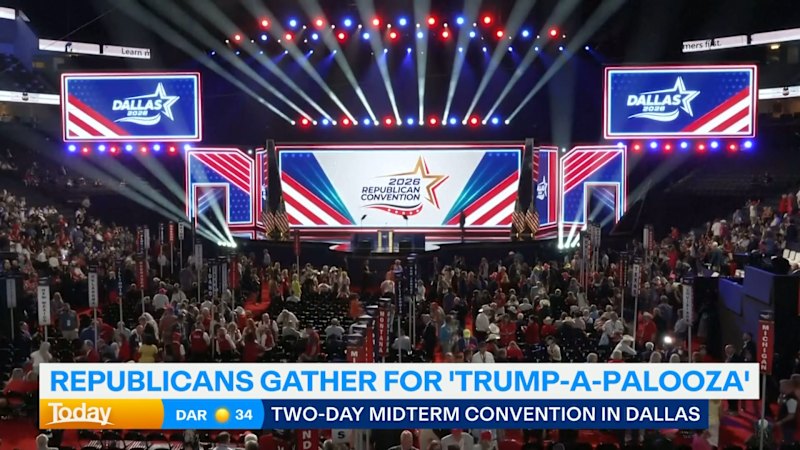
The Republican National Committee's decision to bypass convention norms and stage a mass gathering in Dallas is not an accidental slip into nationalization—it is the forced acceleration of it. Midterm elections are not won by convincing the median voter who reads policy position papers; they are won by solving a turnout puzzle.
Republicans do not suffer from a persuasion problem. They suffer from an enthusiasm gap during non-presidential cycles. Historically, low-propensity voters stay home when the top of the ticket is blank. Traditional campaigns try to solve this with micro-targeted digital ads that cost a fortune and inspire apathy. Trump solved it by building a circus so loud that ignoring it is impossible.
Dismantling the Historical Precedent Fallacy
Critics love to drag out the ghost of Democratic midterm conventions from 1974, 1978, and 1982, breathlessly citing how DNC chairs eventually banned them because they generated internal friction.
This comparison is profoundly lazy. Comparing the mid-seventies Democratic Party—a fractured coalition of warring Southern segregationists and Northern labor bosses—to the current right-wing ecosystem is like comparing a typewriter to a smartphone. The 1970s party conventions were policy-writing bureaucracy fests where delegates bickered over platform planks in fluorescent-lit hotel basements.
The Dallas gathering is not writing policy platforms. It is a television production studio masquerading as a political rally.
By compressing a massive roster of speakers, business leaders, border patrol agents, and cabinet officials into rapid-fire segments, the organizers are optimizing directly for short-form digital distribution. Every viral clip, every direct-to-camera grievance about the cost of living, and every stark contrast drawn against the opposition is instantly piped into the handheld devices of millions of low-propensity voters.
Imagine a scenario where a nervous incumbent hides from the spotlight in their district, refuses to take a definitive stand, and loses by two points because their base couldn't be bothered to drive to the precinct. Now, compare that to the brute-force reality of a nationalized referendum where the volume is turned up to maximum. In a high-noise environment, the side with the megaphone wins.
The Risk Nobody Wants to Admit
Intellectual honesty requires looking at the downside of this strategy. The contrarian truth is not that this path is risk-free; it is that the traditional path is guaranteed slow death.
Tying vulnerable candidates directly to a national lightning rod absolutely alienates moderate institutionalists who yearn for the days of boring, uninspired governance. When Trump takes the stage, he provides campaign fodder for opposition research teams across every competitive district in America. Independent voters recoil from high-drama pageantry.
That is the trade-off. You accept losses among the margins of ticket-splitters in exchange for absolute mobilization of the core.
For decades, establishment consultants have promised that if candidates just moderated their tone, hid their national figures, and talked exclusively about local infrastructure, they could thread the needle. It is a comforting lie designed to keep consultants employed and campaigns dependent on expensive, ineffective media consultants.
The Republican midterm convention tears up that contract. It forces every candidate to pick a lane. You are either part of the national movement or you are floating alone in a political vacuum.
Stop pretending politics is still governed by the rules of 1995. The era of the invisible, localized congressional candidate is dead. The only question left is whether you have the stomach for the noise.