Every time a diplomatic convoy rolls toward the Senate Palace in Moscow, the global commentariat loses its collective mind. Analysts dust off maps from 1991, cable news anchors furrow their brows over secret backchannels, and financial markets briefly flutter on the ghost of an imminent ceasefire.
It is all smoke, mirrors, and carefully choreographed performance art.
The lazy consensus in mainstream reporting treats these high-level sit-downs between Kremlin officials and foreign envoys as genuine exploratory friction toward a settlement. That reading relies on a fundamental misunderstanding of how autocratic regimes manage existential conflict. When Moscow hosts international emissaries while industrial output remains fully mobilized on a war footing, the objective is never compromise. The objective is exhaustion management, domestic signal amplification, and narrative control.
I have spent years watching diplomatic theater play out across tense geopolitical flashpoints, and the pattern never varies. The media wants a Hollywood ending where a late-night conference room compromise halts the artillery fire. Reality operates on a much colder, more transactional calculus.
The Fatal Flaw in Modern Diplomatic Optimism
To understand why these meetings yield zero substantive movement toward ending the war in Ukraine, you have to look past the photo ops at the grand oak doors. The mainstream press makes a critical error by viewing negotiations through a democratic lens. In open societies, public opinion shifts policy because leaders face electoral consequences. In a centralized system, public opinion is a managed variable, not an independent check on power.
When foreign envoys fly to the Russian capital, they are not walking into a neutral bargaining room. They are stepping onto a meticulously constructed stage. Every minute spent debating demilitarized zones or grain corridors serves a domestic utility inside the host country. It projects strength to the domestic populace, signals to allied skeptics that all diplomatic avenues were supposedly exhausted, and buys procurement time for military supply chains.
Consider the structural incentives at play. A genuine peace deal requires mutual concessions that both sides can spin as victory or at least necessary pragmatism. But when one side's foundational narrative is tied to historical revisionism and total security guarantees, any compromise looks like collapse. Therefore, the talks themselves become the weapon. They drag out the diplomatic calendar while conditions on the ground shift.
Dismantling the Negotiation Fallacy
People ask why diplomatic channels cannot simply bypass political posturing and focus on humanitarian ceasefires or territorial freezes. The question itself assumes both parties want the same outcome: stability.
They do not.
Stability is a threat to a wartime economy that has successfully re-routed capital, crushed domestic dissent, and consolidated state control over heavy industry. Stopping the machine creates immediate friction. Millions of citizens tied directly to defense manufacturing, logistical support, and security apparatuses suddenly face an uncertain economic future. Peace is disruptive to autocracies built on permanent mobilization.
When envoys sit across the table from Kremlin insiders, they are playing chess against opponents who are legally permitted to change the rules of the board mid-match. The talking points brought by Western diplomats—sovereignty guarantees, international monitoring, reconstruction funds—sound rational in Geneva or Washington. In Moscow, they sound like an surrender demand wrapped in polite bureaucratic prose.
The Cost of Delusion
Clinging to the fantasy of a negotiated settlement via diplomatic envoys has real-world casualties. It delays hard strategic choices. It allows Western capitals to kick the can down the road on long-term defense production. Instead of building sustainable, multi-decade deterrence architectures, decision-makers hold their breath every time a private jet touches down at Vnukovo Airport, hoping against hope that this is the breakthrough that lets everyone return to business as usual.
That world is gone.
Pretending that a round of closed-door talks can bridge an unbridgeable ideological and territorial gulf is worse than naive; it is dangerous. It signals fatigue to adversaries and erodes trust among allies who see leaders chasing mirages instead of confronting systemic threats.
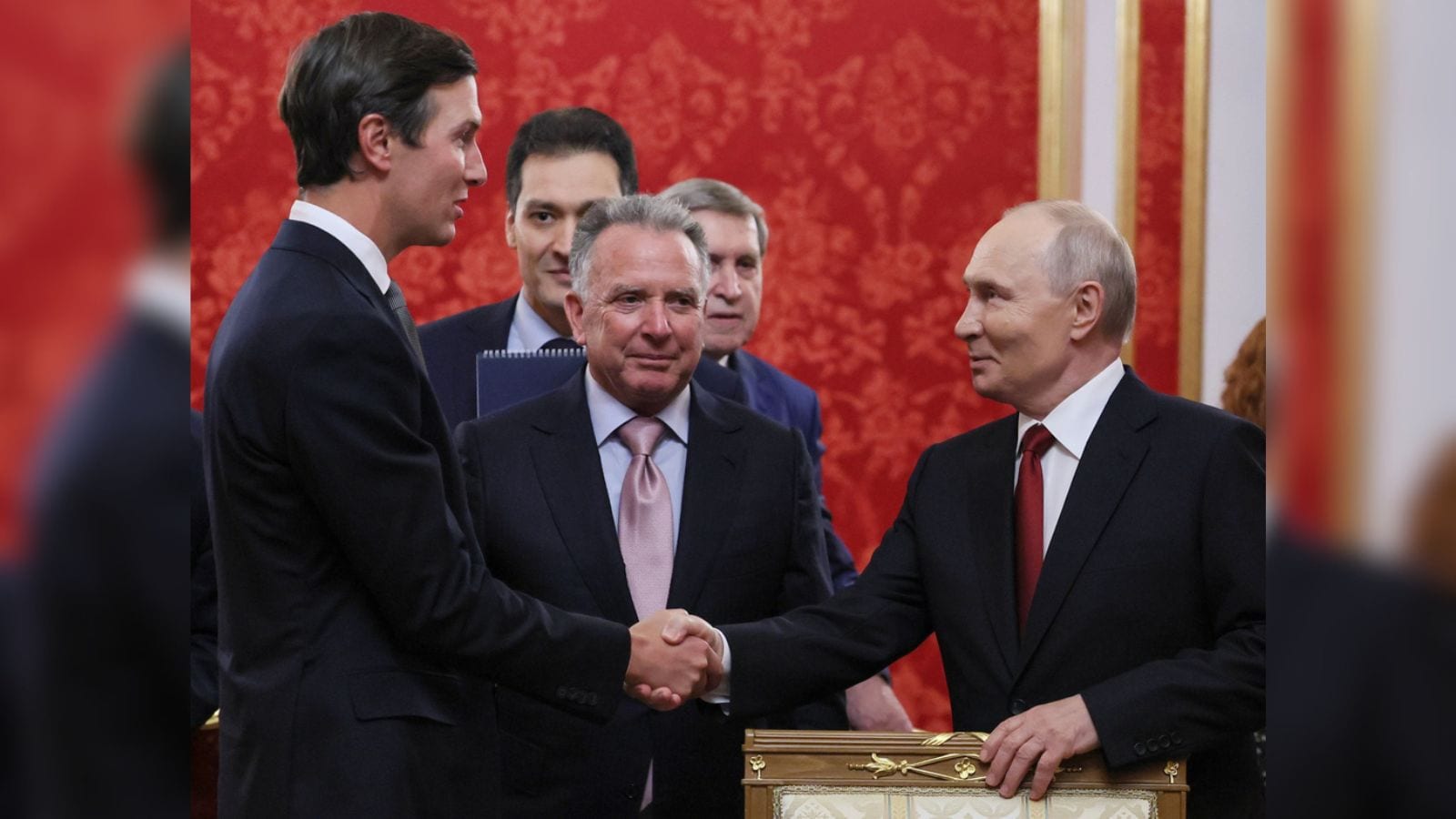
Stop reading tea leaves into handshake photographs. Stop looking for hidden signals in Kremlin press releases. The war will not end because someone found the right combination of diplomatic buzzwords in a Moscow drawing room. It ends when the structural costs of continuation finally outweigh the perceived benefits of survival, and no amount of envoy diplomacy will ever accelerate that timeline until the hard math on the battlefield forces the issue.