For nearly a decade, the political commentariat has fixated on a singular, lazy obsession: the mythical kompromat tape. Every time a pundit needs to explain a geopolitical pivot or an unexpected diplomatic stance, they retreat to the security blanket of hidden hotel recordings. It is a comforting narrative for people who prefer spy novels to structural political reality. It assumes that foreign leaders control American politicians through secret vices captured on grainy video.
This is amateur-hour analysis. It completely misunderstands how authoritarian leverage actually operates in the twenty-first century.
The entire premise relies on an outdated Cold War dynamic. In the old model, intelligence agencies trapped diplomats with physical indiscretions, holding the threat of exposure over their heads to force compliance. But modern political influence does not require hidden cameras in Moscow hotel suites. It operates out in the open, built on shared financial incentives, ideological alignment, and transactional utility.
When analysts argue that a leader is compromised because of secret media, they are missing the forest for a very small, prurient tree. Real power does not depend on blackmail material because the subjects of that alleged blackmail often do not care about the things conventional society expects them to care about. Shame is a prerequisite for blackmail. If a public figure has systematically immunized themselves against public shame by treating every scandal as fuel, traditional kompromat loses its currency.
Think about how modern information ecosystems actually function. Imagine a scenario where every conceivable piece of compromising media, real or fabricated, is dumped into the public domain tomorrow. What happens? In the current hyper-polarized media environment, his base dismisses it as coordinated fabrication, his opponents amplify it as confirmation, and the digital noise drowns out the reality within forty-eight hours. When accountability is broken, blackmail loses its leverage.
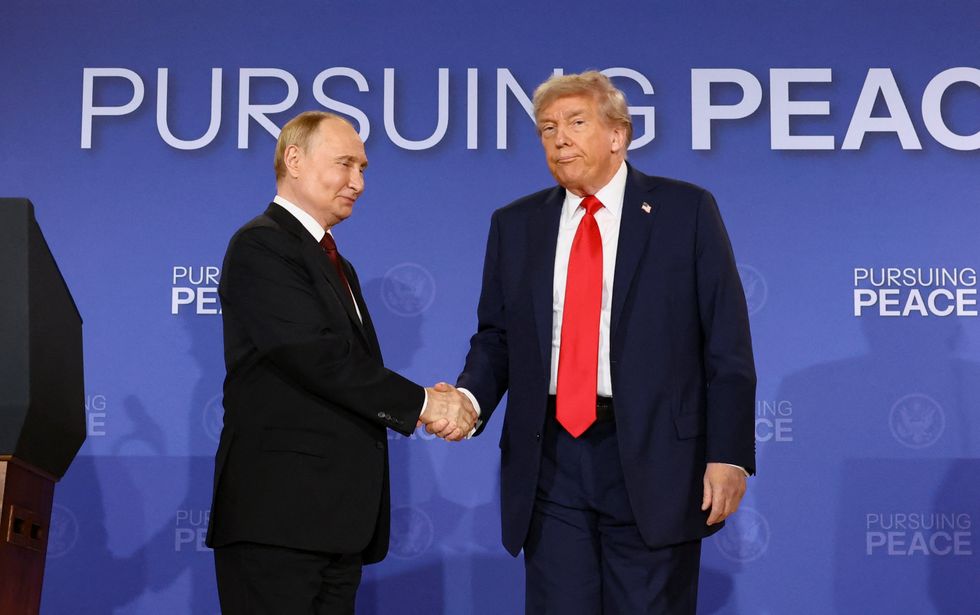
The obsession with physical tapes distracts from the structural alignment of interests. Vladimir Putin does not need to coerce anyone with secret archives when ideological affinity, a shared disdain for traditional democratic institutions, and mutual economic aspirations do the work for free. The transactional nature of modern populism is entirely transparent. It is negotiated in broad daylight through public praise, policy shifts, and media signaling.
I have watched political analysts chase ghosts for years, burning resources on unverified memos while missing the actual mechanics of foreign influence operations. These operations rely on open-source laundering, digital amplification, and financial integration, not secret vaults in the Lubyanka.
Stop looking for the tape. The real story is much simpler, and much more uncomfortable: nobody needs to blackmail a politician who is already doing publicly what they want done privately.
Ex-Trump attorney's tapes and alleged Russian agent indicted
This video explores how covert recordings and foreign influence operations actually intersect with political investigations, moving past sensationalized myths to examine documented legal realities.