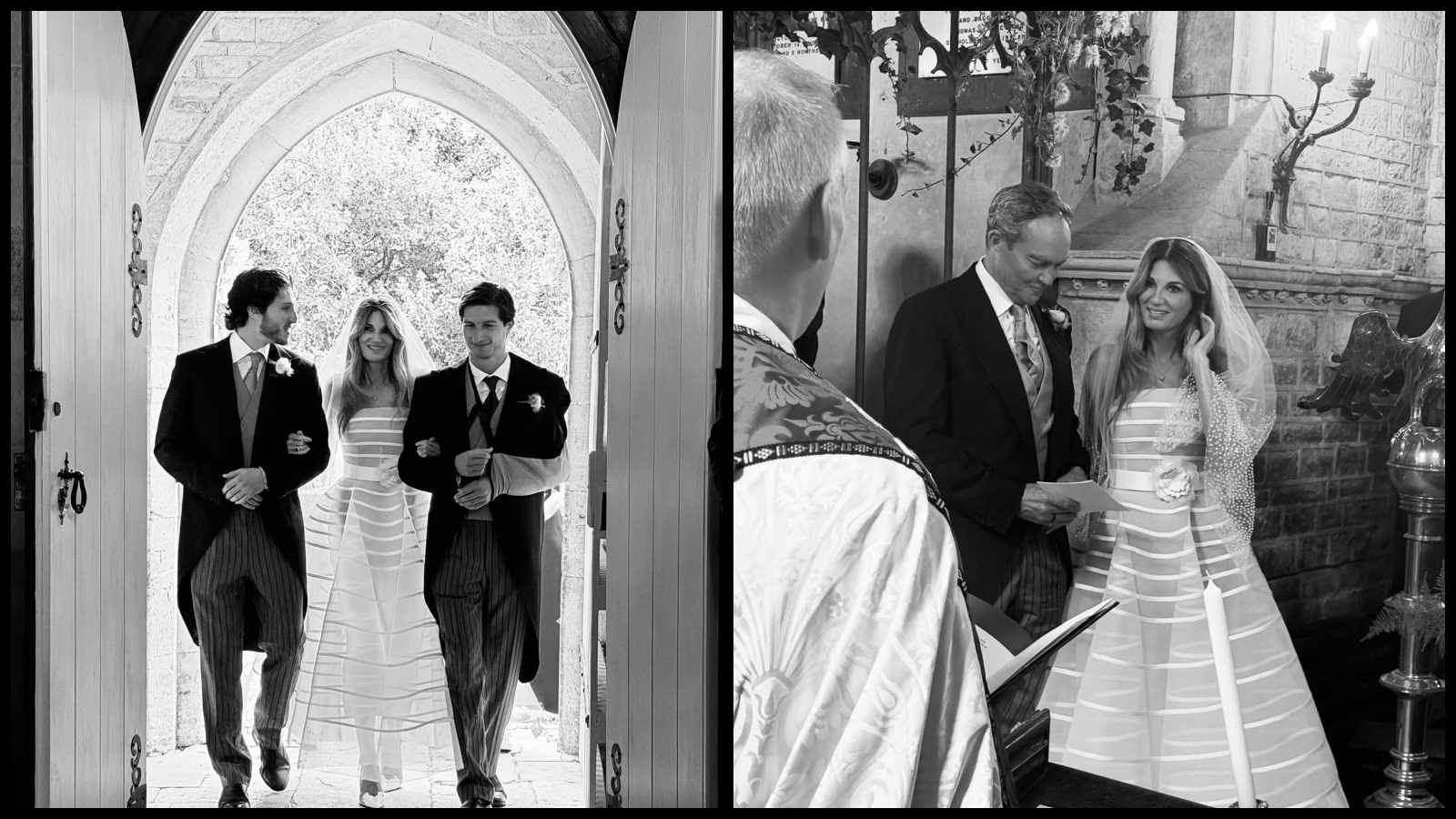
The media machine is at it again, spinning a breathless yarn about Donald Trump family celebrations allegedly funded by Russian capital and private island magnates. Headlines scream about Vladimir Putin allies bankrolling elite weddings, treating the affair like a cinematic mob crossover. It makes for fantastic clickbait. It feeds the midnight doom-scrolling appetite.
It is also entirely missing the point.
Focusing on who wired the funds for a private island bash is the journalistic equivalent of arguing over the color of the curtains while the foundation burns. I have watched high-net-worth circles operate for decades, sitting in rooms where political dynasties and transnational capital intersect. The lazy consensus insists that these elite gatherings are simple quid pro quo corruption, a literal cartoon villain sliding a check across a mahogany table.
That view displays a staggering ignorance of how global power actually works in the twenty-first century.
Nobody writes a check for a wedding party because they want a favor next Tuesday. Capital at that altitude operates on structural integration, shared defensive positioning, and systemic shielding. By turning a family wedding into a morality play about foreign interference, the press lets the broader, much more boring architecture of international elite networking off the hook.
Let us dismantle the premise.
The Myth of Direct Transactional Corruption
The dominant media narrative loves a neat line: Foreign oligarch pays for party, political family returns policy favor. It is clean. It fits on a t-shirt. It is also historically illiterate.
Real power does not exchange hands through catering invoices. When ultra-wealthy cross-border elites mingle at exclusive venues, they are not executing contracts. They are reinforcing an insurance policy. In a globalized economy, wealth is liquid, vulnerable, and constantly under siege by changing regulatory regimes, sanctions, and domestic political shifts.
What the headlines describe as a scandal is actually standard operating procedure for international wealth preservation. When private islands and luxury venues become the backdrop for high-profile gatherings, the currency being traded is not political influence. It is normalization. It is the friction-free blending of domestic political royalty with international asset holders.
If you want to understand why these connections persist, stop looking at the guest list as a criminal conspiracy and start looking at it as an ecosystem of mutual survival. Every major political dynasty on the planet, regardless of party, has relied on capital that would make a compliance officer break out in cold sweats. Singling out one wedding party while ignoring the structural dependence of Western financial centers on offshore wealth is the ultimate exercise in public hypocrisy.
Follow the Asset, Not the Invitation
Let us talk about how money actually moves. Imagine a scenario where a billionaire developer or commodity trader wants to secure influence with an incoming administration. Do they pay for the open bar at a wedding? Absolutely not. That is amateur hour.
Instead, they buy commercial real estate through anonymous shell companies, invest in venture funds managed by family members, or park capital in debt instruments that never appear on a campaign disclosure form. The wedding is the public theater. The real transaction happened three years earlier in a Delaware LLC or a Cayman Islands trust.
When commentators hyperventilate over private island receptions, they reveal that they have no idea how modern balance sheets function. A wedding party is a rounding error on a balance sheet. It is chump change. Treating it as the smoking gun of geopolitical corruption insults the intelligence of the reader. It distracts from the quiet, legal, and systemic ways foreign money reshapes domestic policy every single day through lobbying, campaign finance loopholes, and sovereign wealth investments.
The Real Cost of Outrage Journalism
Why does the media keep hammering the wedding narrative? Because outrage sells better than tax policy.
Explaining why the international financial system permits anonymous beneficial ownership requires patience, nuance, and an attention span longer than twelve seconds. Writing a headline about a Russian ally and a private island requires zero effort. It relies on the oldest trick in the political playbook: tribal branding.
By framing elite socialization as an existential threat to democracy, the press accomplishes two things. First, it generates massive ad revenue. Second, it absolves the broader political establishment of its own complicity. Both major political parties have spent decades deregulating financial markets, welcoming foreign capital into real estate markets from London to Miami, and turning a blind eye to wealth laundering.
When you scream about a wedding party, you do not have to talk about systemic tax evasion. You do not have to reform the financial architecture that makes these cross-border friendships lucrative in the first place. You just get to be angry for a weekend and move on to the next distraction.
How to Read the Elite Playbook
If you want to track where power actually resides, ignore the society pages. Start looking at asset flows, trade exemptions, and regulatory carve-outs.
The next time a major outlet breaks a breathless investigative piece about who paid for a private VIP celebration, ask yourself a simple question: What policy change, loophole, or regulatory delay was passed quietly on page four while everyone was staring at the dance floor?
Power does not hide in plain sight at a wedding. It hides in the fine print of tax codes written by lobbyists who have never been invited to a private island in their lives. Until we start focusing our collective attention on the mechanics of capital rather than the aesthetics of excess, the elites will keep throwing parties, and we will keep missing the point.