Official statecraft is a performance for the naive.
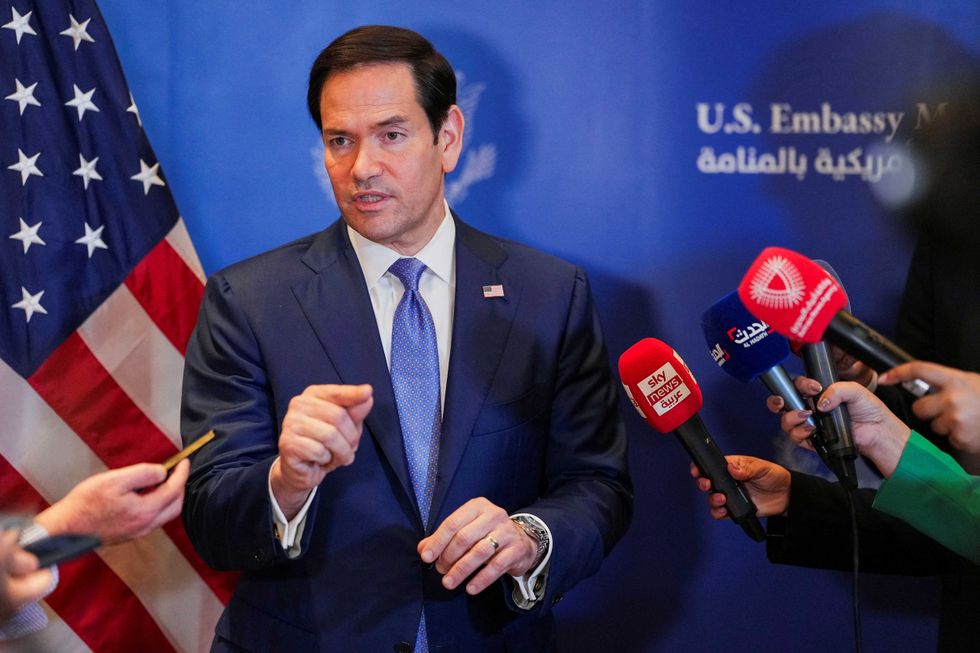
When Secretary of State Marco Rubio brought Michael Boulos—a private citizen, businessman, and Trump’s son-in-law—into a high-level diplomatic meeting with UAE President Mohammed bin Zayed, the political commentariat lost its collective mind. The media instantly manufactured a consensus: Rubio offered a "bizarre excuse" about catching up with a "good friend," sparking the usual hand-wringing over institutional rot, nepotism, and conflicts of interest.
This reaction betrays a profound misunderstanding of how the world actually works.
The legacy media treats diplomacy like a textbook civics lesson, where career bureaucrats in starch-collared shirts exchange formatted memos to resolve global crises. But I have watched organizations blow billions of dollars and governments collapse because they relied on formal channels when they desperately needed backchannels. The outrage over Boulos being in that room isn't just misguided; it fundamentally misreads the mechanics of modern geopolitical leverage.
The UAE doesn't want to talk to institutional cardboard cutouts. They want to talk to the family.
The Myth of the Neutral Bureaucrat
The "lazy consensus" argues that diplomatic meetings must remain the exclusive domain of Senate-confirmed officials to protect national security. This ignores a stark reality: formal diplomacy is slow, rigid, and deeply ineffective when dealing with absolute monarchies or transactional regimes.
When dealing with Gulf states, power is familial and deeply centralized. The formal apparatus of the U.S. State Department is viewed by foreign leaders as a transient entity—a rotating door of bureaucrats who change every four to eight years. Family, however, is permanent.
Bringing a family member with direct, unmediated access to the President into a room with the UAE leadership isn't a diplomatic blunder. It is a highly efficient shortcut. It signals to the foreign power that the conversation bypasses the bureaucratic mud of Washington and goes straight to the top.
Think of it as a corporate transaction. If you are trying to close a massive deal with a family-owned conglomerate in a highly volatile market, you do not send your mid-level compliance officer to do the talking. You bring someone who can pick up the phone and speak directly to the chairman.
Why Conflict of Interest Arguments Miss the Point
Critics like Representative Greg Stanton and other congressional watchdogs constantly scream about the convergence of private equity and public diplomacy. They point to the business ties of Trump-aligned envoys like Jared Kushner or Steve Witkoff, claiming they profit from the very regions they negotiate with.
Let’s dismantle the premise of that critique. The alternative to using wealthy, connected private citizens is relying entirely on career diplomats who have no personal skin in the game. In theory, that sounds noble. In practice, it means negotiations drag on for years with zero economic pressure behind them.
As Kushner noted during his own public scrutiny, what Washington insiders call a conflict of interest, the rest of the global business community calls experience and trusted relationships.
Consider how agreements actually stick. In early 2026, during intense backroom negotiations regarding the ongoing Iran conflict, Iranian foreign ministry officials openly admitted that past diplomatic treaties—like the JCPOA—failed because the United States secured no direct economic benefits from them. To make a geopolitical deal durable, it must be economically integrated.
A career bureaucrat cannot negotiate cross-border mining investments, tech infrastructure integration, or aircraft purchases. Private enterprise can. When a private citizen with commercial ties sits at the table, they speak the language of the foreign state’s sovereign wealth funds. They create commercial tethering. A foreign government is far less likely to violate a treaty or escalate a proxy war if doing so directly torch-tests billions of dollars of interconnected private capital.
The Downside No One Admits
The contrarian approach to diplomacy is not risk-free, and it is crucial to admit the vulnerabilities. The primary danger of backchannel, family-driven statecraft is a total lack of institutional memory.
When private citizens conduct the heavy lifting of foreign policy:
- No Paper Trail: Conversations go unrecorded, leaving future administrations completely blind to the exact terms of verbal agreements.
- Erratic Messaging: As seen in recent Switzerland talks with Iran, formal negotiators can have their legs cut out from under them when the executive branch suddenly shifts tactics via public social media threats.
- Asymmetric Information: The private envoy always knows more than the State Department team tasked with implementing the actual policy.
This lack of transparency makes institutionalists uncomfortable, but discomfort is a poor metric for efficacy. Formal institutions gave us decades of stagnant foreign policy in the Middle East. Transactional backchannels yielded the Abraham Accords.
Dismantling the PAA Presumption
Go look at the standard "People Also Ask" queries regarding this administration's foreign policy. The questions are almost always flawed from the jump:
- Is it legal for private citizens to conduct U.S. foreign policy? The Logan Act is a historical ghost that has never successfully prosecuted anyone. Presidents have used personal emissaries since Abraham Lincoln.
- Why isn't the State Department leading these talks? Because the State Department is built for maintenance, not disruption. When you are trying to force a recalcitrant adversary like Iran to the table or secure an immediate regional ceasefire, you need actors who aren't bound by standard diplomatic protocols.
Stop looking at Rubio’s "good friend" comment as an embarrassing excuse. It was a tactical shield. In the theater of high-stakes diplomacy, you never explicitly state why your most valuable asset is in the room. You shrug, call them a friend, and let the foreign delegation know exactly who they are dealing with.
The institutional playbook is dead. The family office is the new embassy.