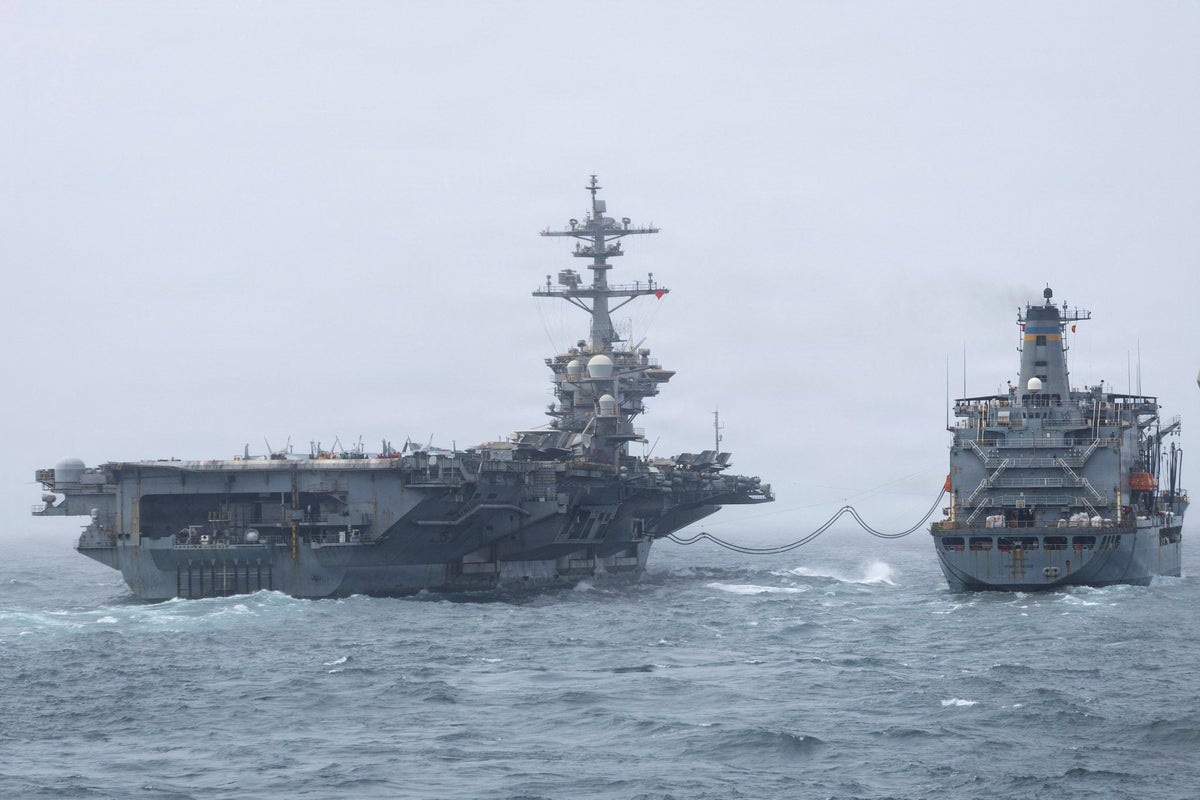
The lazy consensus loves a clean, tragic narrative. When the media discovered that the aircraft carrier USS Abraham Lincoln shattered records by staying at sea for more than 260 consecutive days during active operations against Iran, the talking heads rushed to a single conclusion. They blamed the psychological strain entirely on the calendar. Three hundred days without a port call, moldy showers, delayed mail, and TikTok-fueled panic over sailors standing on the edge of the flight deck.
Stop right there. The diagnosis is completely backwards.
We are treating systemic strategic failure as a routine human resources problem, and it is destroying our naval readiness. The crisis aboard the Lincoln is not simply a product of too many days staring at gray ocean water. It is the predictable outcome of a broken rotational model trying to fight a 21st-century regional war with 20th-century force structures, masking structural incompetence behind wellness check-ins.
The Myth of the Six-Month Clock
For decades, the Pentagon has clung to the comforting fiction that carrier strike groups operate on tidy, predictable six-month deployment cycles. It sounds reasonable on paper. It helps with recruitment brochures and family reintegration seminars.
It is also an absolute fantasy when a hot shooting war breaks out in the Middle East.
When the Lincoln deployed from San Diego in late November 2025, the mission profile shifted radically once operations against Iran commenced. Yet, civilian commentators and anxious lawmakers acted surprised when military reality collided with peacetime administrative schedules. They demanded congressional investigations, pointed fingers at leadership, and framed every supply chain hiccup as an institutional betrayal.
I have watched organizations try to manage operational crises by throwing emotional band-aids at systemic math problems. It never works. When traditional logistics hubs collapse under active combat conditions, you do not fix the problem by holding tense town halls with bewildered families. You fix it by admitting that a two-carrier force structure cannot permanently police the globe without burning out both the hulls and the humans inside them.
Dismantling the Wellness Distraction
Let us address the elephant in the room: the frantic reports of plummeting morale and suicide attempts that triggered the hasty dispatch of the USS George Washington from the Pacific.
The coverage assumes that mental health degradation on an extended deployment is a mysterious bug in the system. It is not. It is a feature of high-intensity naval warfare where supply lines are contested and the enemy shoots back. When water contamination, broken plumbing, and restricted rations hit the crew, sailors experience acute physical misery. Physical misery manifests as psychological distress.
Yet, the institutional reflex is to isolate "mental health" as a distinct medical variable that can be solved with extra chaplains and mandatory resiliency briefs. This is managerial gaslighting. A sailor eating half a cup of rice and two tortillas because logistics chains are shattered by combat does not need a breathing app. They need hot food, clean water, and a rotation home.
By framing the issue exclusively through the lens of psychological trauma, critics and defense officials alike dodge the harder truth. The Navy's retention rate on the Lincoln actually hovered at an impressive 84.4 percent, proving that the core workforce is profoundly resilient. The breakdown is not happening because modern sailors are uniquely fragile snowflakes, as some old-guard commentators love to insinuate. The breakdown happens because commanders are asking finite assets to perform infinite missions in a vacuum of strategic clarity.
The Real Cost of Indefinite Deployments
When Defense Secretary Pete Hegseth defended the administration's posture, insisting that reports from the ship were completely misrepresented, he was half-right and entirely tone-deaf. The reports of specific abuses and living conditions were weaponized for political theater, but the underlying operational exhaustion was undeniable. You cannot sustain a continuous high-end maritime blockade in the Strait of Hormuz with an exhausted crew running on expired supplies and broken equipment without paying a heavy human toll.
Swapping the Lincoln out for the George Washington is nothing more than moving chess pieces on a board while the house burns down. It creates a dangerous vacuum elsewhere—leaving the Pacific theater vulnerable—while treating the symptom rather than the disease.
If the Pentagon wants to stop these recurring mental health crises on capital ships, it must abandon the pretense of "indefinite presence." Either commit the required force architecture to rotate crews cleanly, or accept that hyper-extended deployments will turn our most advanced floating fortresses into endurance tests of human misery.
Stop pretending a fresh coat of institutional empathy can substitute for basic operational logic.


