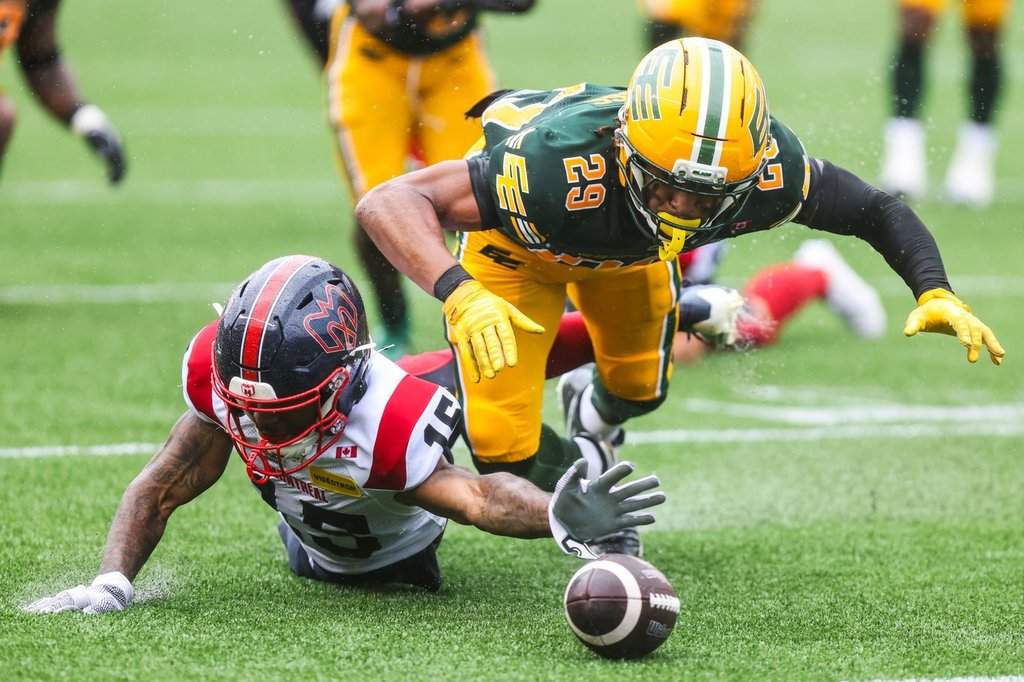
Everyone expects a shootout when the Montreal Alouettes and Edmonton Elks take the field for the 113th Grey Cup. They're wrong.
If you've watched the Canadian Football League closely over the past few seasons, you know championship Sunday rarely plays out the way the casual talking heads predict. People see two storied franchises colliding for the most famous trophy in Canadian sports and immediately start fantasizing about 40-point explosions and last-second Hail Marys. Honestly, that's a massive misread of how both of these organizations actually win football games in November.
The 113th Grey Cup isn't going to be decided by flashy highlight-reel catches in the first quarter. It's going to be won in the trenches, in the cold, and through ruthless clock management when the fourth quarter hits.
Why the 113th Grey Cup Comes Down to Trench Warfare
Let's be real for a second. Three-down football is already a completely different beast than the American game, and when you toss in late-November Canadian weather, the margin for error shrinks to zero. You can't just drop back 45 times and hope your receivers outrun single coverage.
Both Montreal and Edmonton carry deep, physical histories into this championship game. Between the two franchises, you're looking at over twenty Grey Cup titles combined—Edmonton sitting near the very top of the all-time CFL mountain with 14 championships, and Montreal carrying their own rich pedigree built on tough, disciplined football. When these two clubs clash on the biggest stage, the weight of that history actually matters. Players feel it. Coaches tighten up their playbooks because of it.
Here's what actually wins Grey Cups in modern CFL history:
- Winning the turnover battle by at least plus-two. In a game with a 20-second play clock and massive field dimensions (110 yards long by 65 yards wide), one sloppy fumble in your own territory practically hands the opponent three points at minimum.
- Controlling the line of scrimmage on first down. If you're stuck in second-and-ten all afternoon against a pinning defensive front, your quarterback is going to spend the evening eating turf.
- Special teams field position. The 15-yard no-yards penalty and the single point (the rouge) routinely swing championship games by narrow margins.
Most casual viewers ignore punt return coverage until someone breaks one for 80 yards. Don't make that mistake today. Watch the gunners on the outside during the first two series. Whichever team dominates the hidden yardage on special teams will dictate the tempo of the entire 113th Grey Cup.
The Strategic Chess Match Between Montreal and Edmonton
If you're sitting down to watch the Alouettes and Elks clash today, forget the pre-game hype videos and look at how these two styles collide.
Montreal has built its modern identity on defensive discipline and opportunistic offense. They don't need to dominate time of possession for 40 minutes to choke the life out of an opponent. Instead, they bait quarterbacks into tight windows, disguise their coverages pre-snap, and force offenses to string together 10-play drives without making a single mental error. That's exhausting to play against. One holding call, one dropped screen pass, and suddenly you're punting from your own 30-yard line.
Edmonton, on the other hand, thrives when they can stretch the field horizontally and force linebackers to cover all 65 yards of width. The Elks' historical blueprint—dating back to their legendary dynasties—has always relied on physicality at the point of attack combined with explosive play-action strikes down the seams.
Where the Game Could Break Open
Keep your eyes on the defensive line rotation in the third quarter. CFL rosters are smaller than NFL rosters, meaning depth gets tested brutally over sixty minutes of championship football.
If Edmonton's offensive line can lean on Montreal's defensive tackles early, those pass rushers are going to lose a half-step by the final fifteen minutes. That half-step is the difference between a sack and a 25-yard completion over the middle. Conversely, if Montreal stuffs the run on first down and forces Edmonton into predictable passing situations, the Alouettes' secondary will feast.
Common Misconceptions About Grey Cup Sunday
Every year, fans fall into the exact same traps when breaking down the CFL finale. Let's clear a few of them up before kickoff so you actually know what you're watching.
Myth 1: The team with the better regular-season record always has the edge.
Absolute nonsense. The CFL season is a grueling 18-game marathon that chews up rosters. By the time the 113th Grey Cup rolls around, regular-season standings mean nothing. It's entirely about who got healthy in October and who peaked during the division finals. We've seen sub-.500 teams hoist the cup, and we've seen dominant 14-win juggernauts freeze up under the bright lights.
Myth 2: High-flying passing attacks dominate the championship.
Look back at the actual box scores of recent Grey Cups. Sure, you get the occasional wild shootout, like the 2016 overtime classic between Ottawa and Calgary. More often than not, though, championship defenses tighten the screws. Defensive coordinators have two full weeks to dissect every tendency on film. Every favourite route combination gets jumped. Every blitz pickup gets tested.
Myth 3: The halftime show is just a bathroom break.
Okay, maybe for some people. For the players in the locker room, though, the extended Grey Cup halftime is a massive psychological hurdle. Unlike a standard regular-season game where you barely have time to tape an ankle and grab water, the Grey Cup halftime drags on while the stage gets assembled and torn down. Tight muscles stiffen up. Adrenaline crashes. The coaching staff that keeps their locker room locked in during that 30-minute lull usually comes out and dominates the first five minutes of the third quarter.
How to Watch Today's Game Like an Analyst
If you want to actually enjoy the tactical battle between the Alouettes and Elks rather than just screaming at the referee, change how you watch the broadcast.
- Stop staring at the football. Watch the offensive guard on the strong side of the formation at the snap. His first step tells you immediately whether it's a pass set, a zone run, or a pull block. You'll know if a play is dead before the quarterback even finishes his drop.
- Track the ratio. Remember that CFL teams must manage their National (Canadian) and American player ratios on the field at all times. When a key Canadian starter goes down with a minor injury, watch how the coaching staff scrambles to substitute players across multiple positions just to stay legal. That's where blown coverages happen.
- Pay attention to the clock inside three minutes. Because the CFL stops the clock after every play inside the final three minutes of each half, a 10-point lead is never safe. You can't just kneel the ball out at the two-minute warning like you do down south. Teams have to execute under extreme pressure right until the final whistle.
What You Should Do Before Kickoff
Grab your spot on the couch early, ignore the overblown point-spread chatter from casual bettors, and keep a close eye on the opening coin toss. In the 113th Grey Cup, the team that defers to the second half—giving themselves the chance to double-up on possessions right before and after that long halftime break—is usually the team playing chess while the other plays checkers. Settle in, watch the trenches, and keep track of those hidden special teams yards from the very first punt.