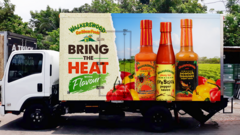
If you keep a bottle of Walkerswood or any authentic Jamaican jerk seasoning in your pantry, you need to start rationing it. The fiery, fruit-forward heat that defines Caribbean cuisine is hitting a major wall. Producers across the islands are shouting from the rooftops about severe inventory shortages and unavoidable price hikes.
This isn't your standard corporate supply chain grumbling. It's an agricultural bottleneck that has been building for two years. If you think you can just swap in a generic jalapeño or a cheap cayenne alternative, you don't understand what makes these sauces special.
At the center of this crisis is the temperamental yellow Scotch bonnet pepper. It is the lifeblood of regional brands, and right now, it's incredibly hard to find.
The Perfect Storm Squeezing the Scotch Bonnet
Growing Scotch bonnets is a headache even in perfect conditions. They hate too much rain. They get wiped out easily by fungi, viruses, and pests like the gall midge. But the real hammer blow has come from extreme weather.
Jamaica, the epicentre of the pepper industry, took back-to-back hits from massive storms. Hurricane Beryl tore through the island, followed closely by Hurricane Melissa, which caused an estimated J$60 billion in total agricultural losses across the country.
The immediate result? Pepper fields were completely flattened.
Drew Gray of Gray's Pepper noted that right after Hurricane Melissa, wholesale prices for Scotch bonnets jumped up to ten times their usual cost. In Toronto grocery hubs like Caribbean Corner, local market prices in Jamaica were reported as high as J$5,000 per pound. When you manage a commercial sauce brand, absorbing a tenfold raw material spike is impossible. Over the last two years, overall production costs for regional hot sauce makers have climbed between 40% and 50%.
Why Producers Can't Just Pivot
When a massive brand like Huy Fong faced Sriracha shortages, consumers learned how consolidated pepper sourcing can be. The Caribbean situation is even more fragile because of the specific flavor profile involved.
You can't fake a Scotch bonnet.
- The Flavor Profile: Scotch bonnets have a distinct, sweet, fruit-forward aroma that hits before the heat.
- The Physical Reality: Heavy rains don't just destroy plants; too much water actually dilutes the fierce heat of the surviving peppers. Walkerswood reported that excessive moisture noticeably altered the quality and sting of their harvest.
- The Substitution Risk: Some regional agricultural boards have suggested shifting to high-yielding, hybrid red chili peppers that resist disease. But traditional sauce makers refuse. Altering the pepper changes the color, the scent, and the legacy of a recipe that has stayed the same for generations.
Because of this rigid commitment to quality, major players have been forced into defensive mode. Walkerswood, which exports over 95% of its inventory globally to giants like Walmart and Tesco, actually had to cancel major international orders because the raw produce simply didn't exist.
The Quiet Exodus of Pepper Farmers
The long-term threat isn't just the weather that passed; it's the economic choices farmers are making today. Farming Scotch bonnets has become a high-risk gamble.
Weary from watching their livelihoods wash away in successive seasons, many smallholders are throwing in the towel. They are switching their acreage to hardier, more predictable cash crops. Sweet potatoes don't die when a heavy rainstorm hits. They don't attract the same aggressive pests, and they offer a more stable price per pound on the local market.
Every time a farmer switches to sweet potatoes, the aggregate pepper supply shrinks permanently. Government data from Jamaica’s Ministry of Agriculture shows that total land reaped for hot peppers dropped from 1,429 hectares in 2022 down to 1,252 hectares by 2025. We are looking at a fundamentally smaller crop footprint.
Survival Strategies on the Ground
To keep their factory lines moving, hot sauce companies are getting creative, though it strains their cash flow.
Antigua’s Homebrew Hot Sauce and Gray’s Pepper are building massive stockpiles. They are holding up to six months of pepper inventory in deep storage to insulate themselves from market shocks. It's expensive to store hundreds of pounds of processed pepper mash, but big international supermarket chains don't care about hurricane delays. They want their product on time, or they pull the brand from the shelf.
Other regional cooks are altering their heat sources slightly without completely abandoning tradition. In Antigua, artisanal brand Granma Aki started blending in locally grown Moruga scorpion peppers from Trinidad to bypass the Scotch bonnet premium. In Canada, small-batch makers admit to mixing habaneros with their remaining Scotch bonnet reserves to stretch their supply through the summer harvests.
What to Do Next
The Jamaican government is trying to patch the hole by distributing seeds and seedlings to roughly 650 growers via the Rural Agricultural Development Authority. Walkerswood is even partnering with scientists to fund genetics research, hoping to breed a disease-resistant, climate-hardy version of the classic yellow Scotch bonnet.
Until those agricultural investments bear fruit, expect your favorite Caribbean condiments to stay expensive and occasionally vanish from store shelves. If you see your preferred brand in stock at your local specialty shop, buy two bottles instead of one. Don't hoard, but plan for a dry spell. Prices aren't coming down anytime soon, and the bottles on the shelf right now are surviving on thin margins and sheer willpower.