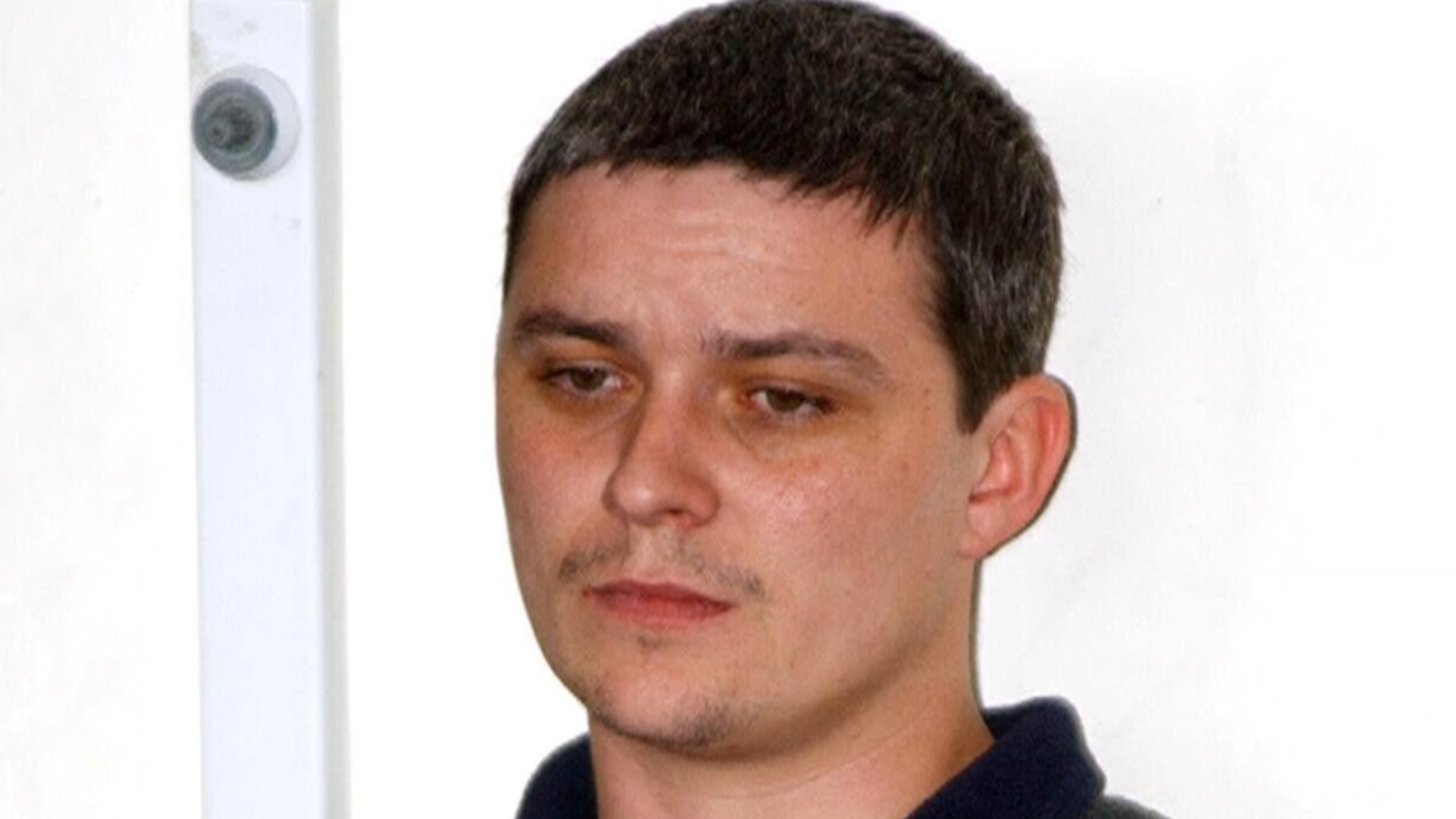
The British public still reacts with a visceral, jagged edge to the name Ian Huntley. Decades after the 2002 Soham murders, the mere mention of the former school caretaker triggers a specific type of national trauma. Now, as Huntley enters his fifties within the walls of HMP Frankland, the Home Office and the Ministry of Justice are quietly managing a logistical and ethical minefield that most citizens never consider. How does a state dispose of its most hated sons? The answer lies in a process stripped of any semblance of ceremony, a "minimalist cremation" designed specifically to prevent a grave from becoming either a shrine for the depraved or a target for the vengeful.
When high-profile prisoners die in custody, the immediate concern is not grief. It is security. The state’s primary objective shifts from incarceration to the total erasure of the individual’s physical presence. For a man like Huntley, who remains one of the most protected and loathed figures in the high-security estate, the endgame is a sterile, bureaucratic procedure intended to leave no trace.
The Architecture of an Unmarked Exit
A minimalist cremation is not a standard funeral service. It is a clinical disposal. In the event of Huntley’s death, the protocol dictates that no mourners will attend, no flowers will be laid, and no eulogy will be delivered. The taxpayer-funded "pauper’s funeral" is the baseline, but for Category A prisoners, the layers of secrecy are far denser.
The Ministry of Justice (MoJ) operates under a strict set of guidelines regarding the death of prisoners. Normally, the body is released to the next of kin. However, when the next of kin is estranged or when the release of the body poses a significant risk to public order, the state takes a firmer hand. Huntley’s family has largely remained in the shadows since his conviction. If they decline to claim the body, or if the police believe a public funeral would cause a riot, the prison service manages the entire process through "contracted providers" who are often sworn to non-disclosure.
The location of the crematorium is typically kept secret until the very last moment. Often, these disposals take place at dawn, the first slot of the day, before the public arrives. The ashes are not placed in a columbarium or a Garden of Remembrance. They are scattered in an unmarked location or disposed of in a communal pit. The goal is a total lack of a physical focal point.
The Cost of Keeping the Hated Alive
Huntley’s presence in HMP Frankland—a "Monster Mansion" that has housed the likes of Peter Sutcliffe and Levi Bellfield—costs the UK taxpayer an estimated £70,000 to £100,000 per year. This figure ignores the astronomical costs of his initial trial and the constant legal challenges or medical interventions required to keep him fit for his life sentence.
Critics often argue that the "minimalist" approach to his eventual death is too dignified. They point to the victims, Holly Wells and Jessica Chapman, whose lives were stolen before they could even reach their teens. To these critics, any state-funded disposal is a final insult. Yet, the legal reality is that the UK government has a duty of care even to its most monstrous inmates. This duty includes the dignified—if entirely private—disposal of remains.
The complexity arises when the prisoner dies of natural causes versus suicide. Huntley has reportedly attempted to take his own life multiple times during his incarceration. Each attempt triggers an internal inquiry and a massive spike in surveillance costs. If he were to succeed, the minimalist cremation would be preceded by a mandatory inquest, dragging the Soham tragedy back into the headlines—a result the government is desperate to avoid.
The Psychology of Public Erasure
Why does the "minimalist" label matter? It serves as a psychological tool for the public. It signals that the individual has been stripped of their status, their identity, and their right to a place in the soil of the country they terrorized.
Security Over Sanity
The logistics of moving a body from a high-security prison to a crematorium involve more than just a hearse. It requires a police escort and a secure perimeter. The fear is not that someone will try to rescue the corpse, but that vigilantes will attempt to intercept the vehicle to desecrate the remains. This happened during the disposal of Myra Hindley’s body in 2002. Several crematoria refused to take her remains, fearing long-term protests or vandalism.
The state eventually found a facility willing to perform the task under the cover of darkness. Huntley’s eventual exit will likely follow this blueprint. It is a grim, necessary dance between the Ministry of Justice and private funeral directors who would rather not have their business associated with a child killer.
The Problem of the Ashes
Even after the cremation, the problem of the "dust" remains. If the ashes are handed back to a family member, there is a risk they could be sold on the "murderabilia" market. This is a dark corner of the internet where items associated with famous killers are traded for thousands of pounds. To prevent this, the MoJ can place restrictions on the disposal of ashes under the Public Health (Control of Disease) Act 1984, ensuring that the final remains are scattered in a way that prevents them from being recovered or commodified.
A System Under Strain
The UK’s aging prison population is forcing the government to formalize these "end of life" protocols more than ever before. Frankland and other high-security sites are increasingly resembling geriatric wards. Men like Huntley are growing old, and the logistical burden of their mortality is a growing line item in the national budget.
The minimalist cremation is the final stage of a life lived in a box. It represents the ultimate conclusion of the state’s power: the ability to not only take away a man’s freedom but to ensure his very exit from the world is as quiet and inconsequential as possible.
There is a cold efficiency in this. No monument. No pilgrimage site. No closure for the morbidly curious. Just a morning appointment at a furnace and a disappearance into the atmosphere. This is the government’s way of closing a chapter that the nation wishes had never been written.
When the time comes, the announcement will be brief. There will be no photos of a coffin. There will be no location for the public to gather. The man who once sought the spotlight through his lies will finally be granted the one thing he deserves: total, state-mandated anonymity.
Every minute spent planning this erasure is a minute the state spends trying to atone for the fact that it cannot bring back what was taken in Soham. The "minimalist" approach is not for the benefit of Huntley. It is for the sanity of the public, ensuring that when the monster finally dies, he does not leave a ghost behind for us to deal with.
Identify the specific local authorities that currently hold contracts for prison disposals in the North East to understand the geographic bottlenecks of this policy.