The metal doors of a city bus do not merely open and close. They act as a fragile threshold between the chaotic outside world and the shared, vulnerable intimacy of strangers. Inside that aluminum tube, people from entirely different universes sit shoulder to shoulder, bound by a common destination, united in the quiet exhaustion of daily transit.
On a routine evening in Culver City, that fragile boundary shattered.
When the Ordinary Becomes a Crime Scene
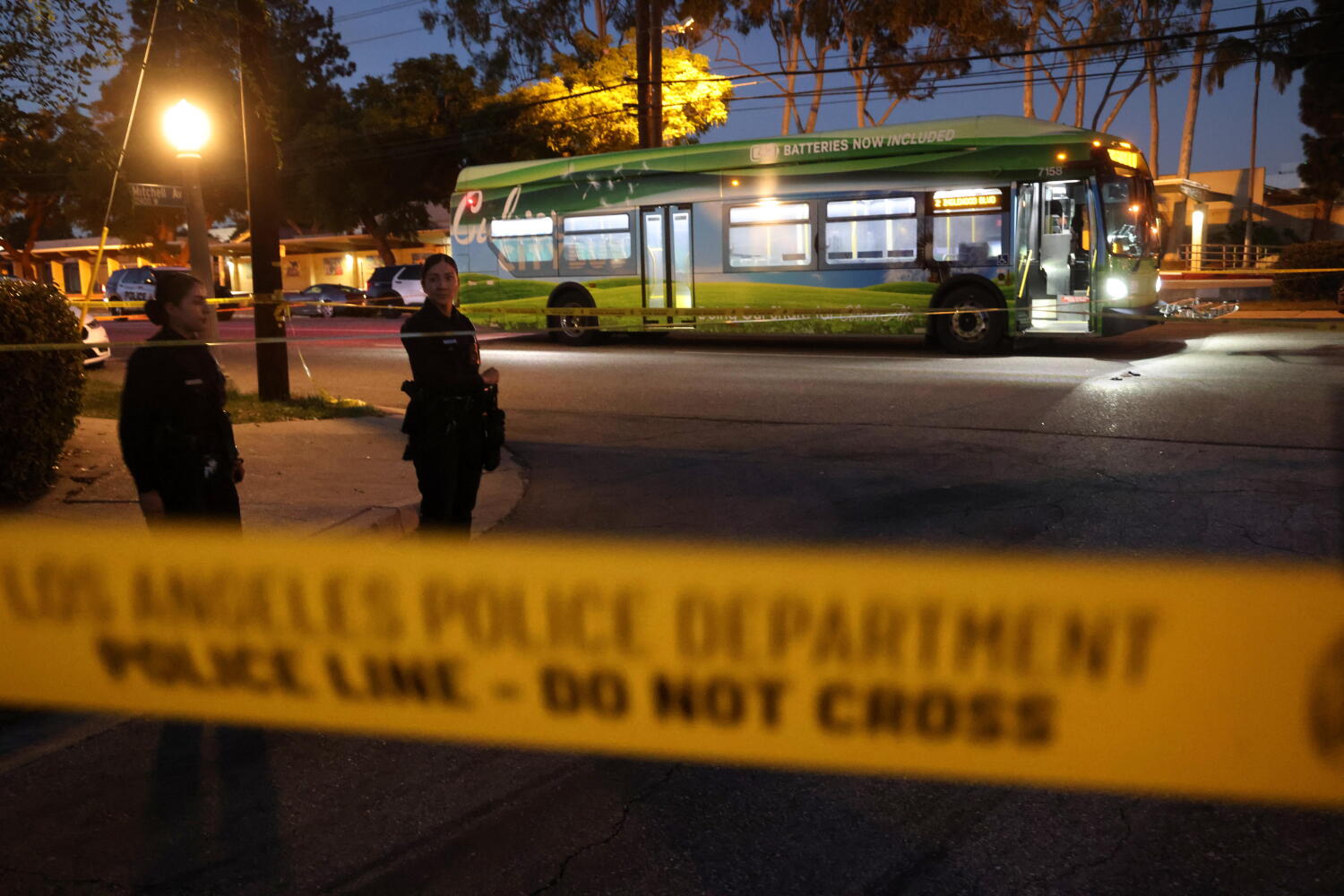
Commuters boarding the Culver CityBus expected nothing more than the familiar hum of the engine, the glow of streetlights sliding past grease-streaked windows, and the comforting anonymity of public movement. Instead, an ordinary transit route transformed into a crime scene. A fatal shooting aboard the moving vehicle tore through the collective peace of the community, leaving behind a profound sense of shock, a grieving family, and a suspect who vanished into the night.
According to witness accounts gathered in the immediate aftermath, the violence erupted with terrifying speed. There was no grand warning. There was only the sudden, deafening crack of a gunshot that rewrote the reality of everyone on board. For the passengers who ducked between seats, for the driver who fought to safely guide the vehicle to a halt, and for the first responders who arrived to flashing red lights and chaotic radio chatter, life was permanently split into two distinct chapters: before the shot, and after.
Law enforcement flooded the area, shutting down blocks of asphalt and turning street corners into a maze of yellow tape. Helicopters hovered overhead, their searchlights slicing through the dark in a desperate hunt for the person responsible. Yet, as the hours ticked away, the core terrifying reality remained starkly unaddressed: the suspect was at large.
The Invisible Stakes of Public Spaces
We take public transit for granted. We plug our headphones into our ears, stare down at our phones, and trust that the strangers inches away from us share a basic, unspoken social contract. We trust that we will reach our stops. We trust that the metal walls will keep us safe.
When that contract is broken inside a confined space like a city bus, the psychological aftershocks ripple far beyond the immediate families and friends of the victims. It alters how an entire city moves.
Consider the worker who relies on that exact bus route for the early morning shift, now staring down the empty pavement with a knot in their stomach. Consider the parent weighing the convenience of public transit against the sudden, sharp prick of anxiety over whether their teenager will make it home from school without incident. Safety is not merely a statistic tracked by municipal departments; it is an emotional atmosphere. When that atmosphere turns toxic with fear, the rhythm of daily life stutters.
Detectives and transit authorities are left piecing together fragmented surveillance footage, ballistic evidence, and the trembling testimonies of eyewitnesses who are still trying to unsee what they witnessed. Every bus camera, every digital payment log, and every whispered tip becomes a thread in an intricate investigation designed to drag an invisible suspect back into the light of accountability.
The Echoes Left Behind
In journalism, stories like this are often summarized in cold, sterile metrics. A headline. A casualty count. A status update on an ongoing manhunt. But behind every headline lies a universe of unwritten moments. A favorite sweater left in a closet. A text message sent minutes before the chaos that will never receive a reply. A kitchen table with one less chair.
The bus has long since been scrubbed, detailed, and returned to rotation, rolling past the very stops where ordinary people step up and step down. But the air inside those vehicles feels different now. Heavier. More fragile.
As the search for the gunman continues, the city is forced to look in the mirror and confront an uncomfortable truth about the volatility of modern urban life. The doors still open. The engines still hum. But the people riding inside are listening closer to the silence between the stops, waiting to see if peace will ever truly find its way back onto the route.