Chaos doesn't wait for you to have a clear line of sight. It happens in seconds, usually in a blur of motion and high-stress decision-making that most people can't actually handle. Recently, a tragic incident in Florida involving a dog attack and a fatal shooting has sparked a massive debate about gun safety, animal control, and the legal reality of self-defense. A man tried to stop a dog from attacking a woman, but instead of saving the day, he ended up killing the dog's owner. It’s a nightmare scenario. It also highlights exactly why "good intentions" aren't enough when you decide to pull a trigger in a public space.
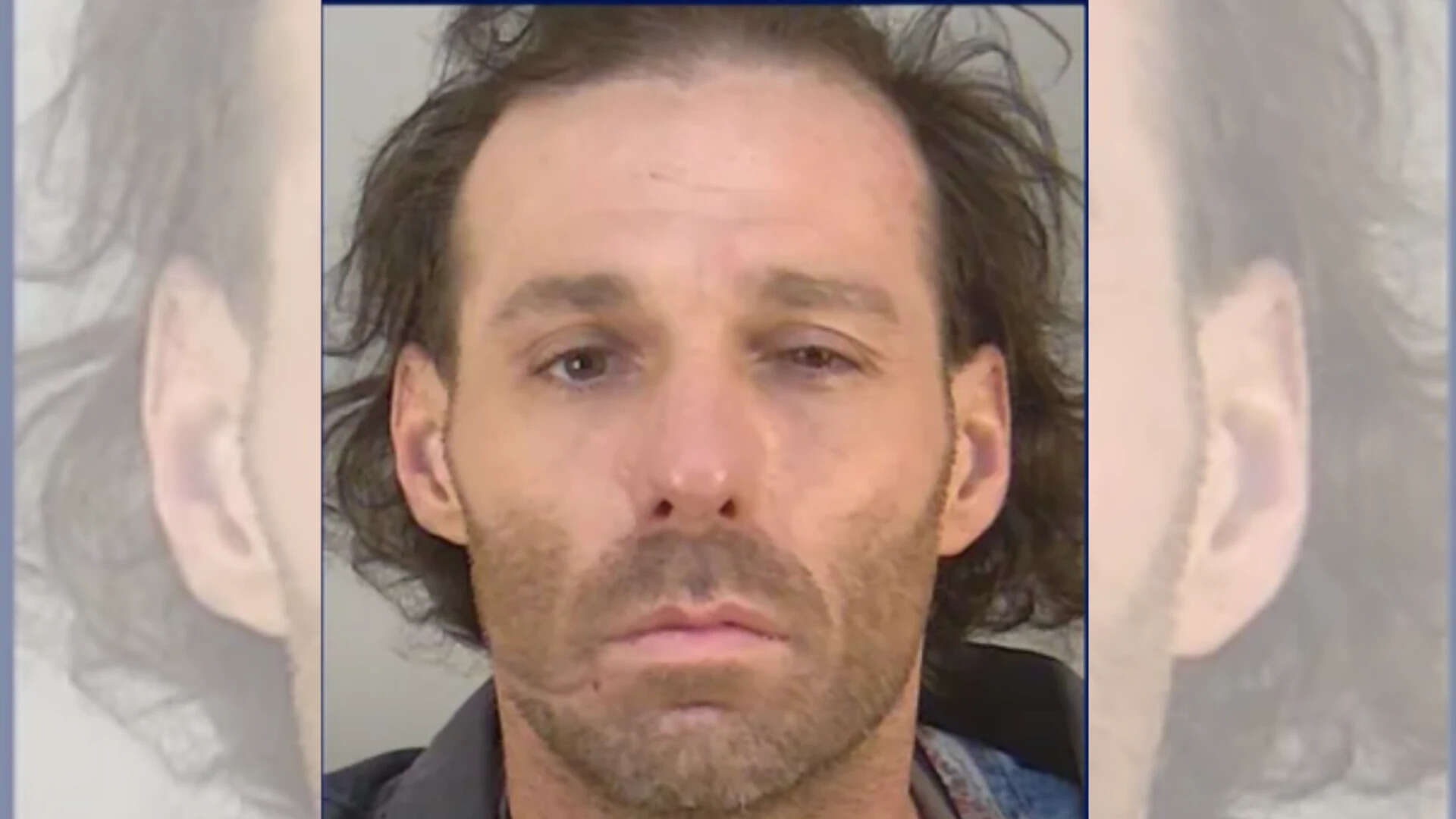
The facts of the case are brutal. According to reports from the Escambia County Sheriff’s Office, the incident began when a dog—described by witnesses as aggressive—started attacking a woman. A neighbor, seeing the struggle, grabbed his firearm and intervened. He fired at the dog. He missed. The bullet struck the dog's owner instead, leading to a fatal outcome. This isn't just a "freak accident." It’s a case study in the terrifying complexity of using a weapon during a high-adrenaline animal encounter.
Why Shooting an Attacking Dog Is Harder Than the Movies Make It Look
People think they’ll be John Wick when a crisis hits. They won’t. In a real-world scenario where a dog is attacking a human, you aren't shooting at a stationary paper target at a range. You're looking at two living beings locked in a violent, unpredictable tumble. Dogs move fast. They lunge, pivot, and shake. The victim is usually trying to push the dog away, meaning their limbs are constantly entering and exiting the "line of fire."
When you add the physiological effects of a "fight or flight" response—tunnel vision, loss of fine motor skills, and an increased heart rate—your accuracy drops through the floor. In the Escambia County case, the shooter likely had every intention of being a hero. But intentions don't stabilize a barrel. If you're even a few degrees off, or if the dog moves a fraction of a second before you squeeze, that round is going somewhere else. In this instance, it went into the person the shooter was likely trying to help or at least bystand to.
Ballistics don't care about your motives. A handgun round can easily pass through a dog and keep going, or it can deflect off a bone or the pavement. This is called "over-penetration" or a "ricochet," and it's a primary reason why discharging a firearm in a residential area during a dog fight is incredibly risky. Most people don't consider what's behind their target. In a neighborhood, what's behind the target is usually a house, a car, or a person.
The Legal Minefield of Intervention in Florida
Florida is famous for its "Stand Your Ground" laws, but those laws don't give you a blank check to be reckless. There is a massive legal distinction between a "justified use of force" and "culpable negligence." If you shoot at a dog to save a person, you might be justified in using force against the animal. However, the moment that bullet hits a human being, the legal landscape shifts.
Prosecutors look at whether the shooter acted with a "reckless disregard for human life." Was it reasonable to fire a gun in that specific spot? Were there other people around? Could the shooter have used a different method to stop the attack? In this Florida case, the fact that the owner of the dog was killed creates a potential for manslaughter charges, regardless of whether the dog was actually being a threat. You’re responsible for every single bullet that leaves your gun until it comes to a complete stop.
Don't assume that "helping" shields you from the law. I've seen cases where people intervened in dog attacks and ended up sued into bankruptcy by the dog owner or prosecuted by the state because their intervention was deemed "excessive" or "dangerously executed." The legal system is cold. It weighs the necessity of the shot against the outcome. When the outcome is a dead body, the "necessity" has to be absolute and the execution has to be flawless.
Better Ways to Stop a Dog Attack Without a Gun
If you see a dog attacking someone, your first instinct shouldn't be to start blasting. Honestly, a gun is often the worst tool for this job. There are several other ways to break up a dog fight that don't involve lethal projectile weapons in a crowded neighborhood.
- The Rear Choke or "Wheelbarrow" Method: If a dog has a "grip" and won't let go, grabbing its back legs and walking backward (like a wheelbarrow) can disorient it. However, this leaves you vulnerable if the dog turns. A more effective, albeit dangerous, method used by professionals is a rear chokehold to briefly cut off the dog's air until it releases, though this requires training and nerves of steel.
- Aerosol Sprays: Pepper spray or specialized "Halt!" dog repellent is incredibly effective. It affects the dog's mucous membranes and usually ends the fight instantly without permanent damage to the dog or anyone nearby. Plus, if you miss and spray a human, they’ll be miserable for an hour, but they’ll be alive.
- The Break Stick: For certain breeds with high "bite drive," a break stick is a tool used to lever the jaws open. It’s a specific skill, but it’s far more surgical than a bullet.
- Fire Extinguishers: If you're near a garage or building, a blast from a CO2 fire extinguisher is a game-changer. The noise, the cold, and the cloud of chemicals will almost always break the focus of an attacking animal.
Using these tools shows that you're attempting to resolve the situation with the least amount of collateral risk. That looks much better in a police report than "I started shooting in the middle of the street."
The Myth of the Aggressive Breed vs. Irresponsible Ownership
We can't talk about this Florida incident without addressing the dog itself. While the specific breed in the Escambia case varies by report, the conversation always turns to "dangerous dogs." But here's the reality: most "attacks" are the result of failed containment and poor socialization.
Responsible ownership means knowing your dog’s triggers. If you have a dog with a high prey drive or a history of aggression, it shouldn't be in a position where it can reach a neighbor. When an owner fails to secure their animal, they set off a chain reaction that ends in tragedy. In this case, that chain reaction cost the owner their life. It’s a grim irony. The owner’s failure to control the pet led to a situation where a neighbor felt compelled to use deadly force, which ultimately circled back to the owner.
What You Should Do If You're Ever in This Position
If you're a gun owner, you need to be honest with yourself about your skill level. Ask yourself: "Can I hit a target the size of a grapefruit that is moving at twenty miles per hour while it's attached to a screaming person?" If the answer is anything less than a "100% yes, I've trained for this specifically," then keep the gun holstered.
- Assess the Backdrop: Never fire if there is a house, a sidewalk, or a person anywhere in the potential path of the bullet.
- Get Close or Don't Shoot: Long-range shots on a dog attack are a recipe for disaster. If you aren't close enough to be certain of your aim, you're just throwing lead into the wind.
- Call 911 Immediately: Don't wait for the situation to end. Get professional help on the way.
- Use Physical Barriers: If you can't shoot safely, use a trash can lid, a chair, or even a car to create a barrier between the dog and the victim.
This Florida story isn't a hero's tale. It’s a messy, preventable tragedy that left one person dead and another likely facing a lifetime of legal bills and guilt. Don't let your desire to help turn you into the next headline. Learn how to handle a dog attack without relying on a weapon that you haven't mastered in high-stress environments. Carrying a tool for protection is a responsibility, not a shortcut. If you can't guarantee where the bullet goes, don't let it leave the chamber.