The ink isn't even dry on the tentative ceasefire, and yet the entire Middle East peace framework is already staring into an abyss. If you thought the April interim agreement between Washington and Tehran marked the end of the region's absolute chaos, think again. The whole arrangement is on life support, and southern Lebanon is the reason it might completely fall apart.
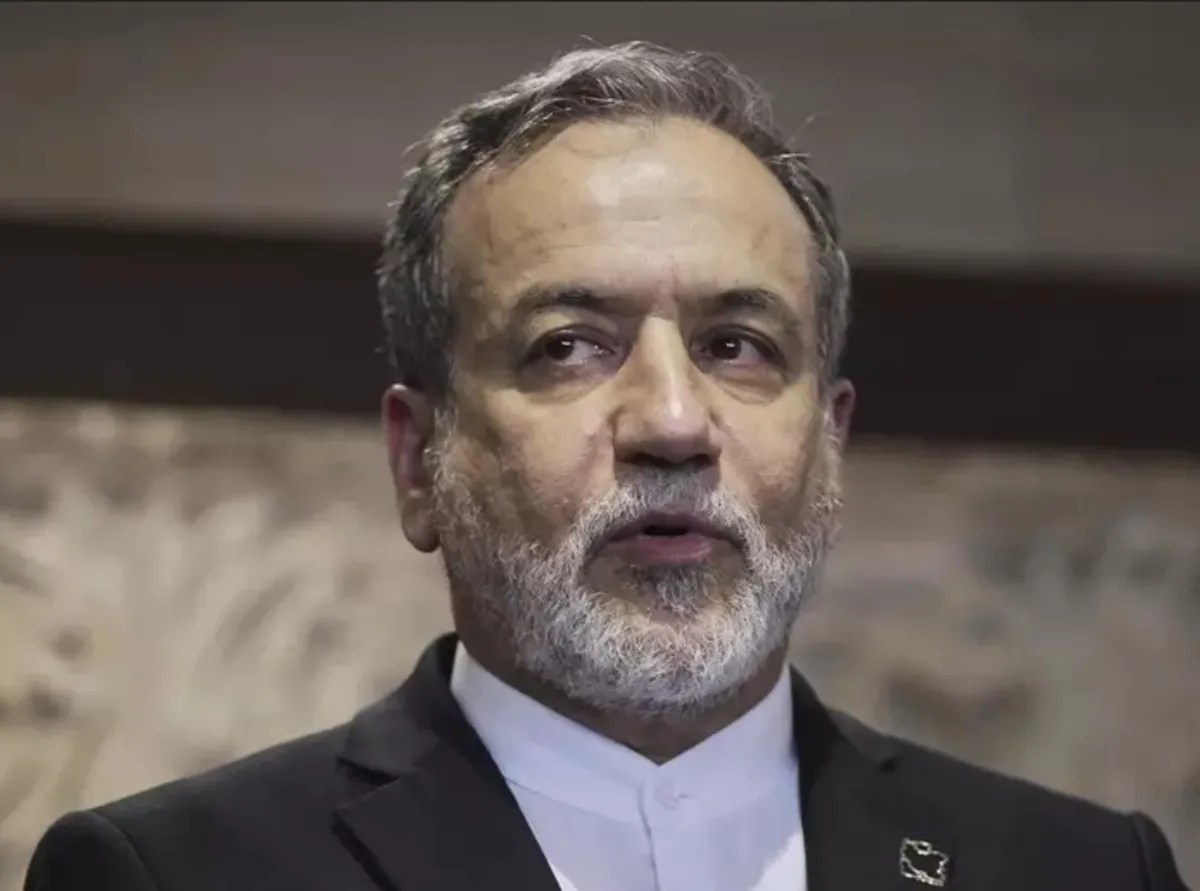
Iranian Foreign Minister Abbas Araghchi just laid down a massive ultimatum that fundamentally shifts the stakes. According to Araghchi, any continued Israeli military presence or operations inside Lebanon won't just be viewed as a local border skirmish. It's officially a direct breach of the interim deal brokered with the United States.
This isn't just standard diplomatic posturing. It's a calculated line in the sand that places Washington and Jerusalem in an incredibly tight corner just days before a critical round of final-stage negotiations begins in Switzerland.
The Secret Memorandum and the Two Sides
At the heart of this unfolding crisis is a fundamental disagreement over who actually agreed to what. The details of the US-Iran memorandum have been kept under tight wraps, leading to wildly conflicting narratives from the key players involved.
Araghchi didn't mince words when outlining how Tehran views the structure of the peace deal. In Iran's eyes, the agreement isn't a collection of separate regional truces. It's a binary pact. On one side stand the United States and Israel; on the other, Iran and Hezbollah.
Because of this structure, Tehran views the conflict as a unified front. You can't have peace in one zone and an active war zone in another. Look at how Araghchi broke down the situation on Tuesday:
"In our view, the two parties to this memorandum are the US and Israel on one side, and Iran and Hezbollah on the other. Without the withdrawal of Israeli forces from the territories they occupied during this war, the war has not fully come to an end."
This interpretation clashes directly with the reality on the ground. A US official speaking anonymously recently stated that the deal's framework didn't explicitly mandate an immediate Israeli withdrawal from Lebanese territory. Meanwhile, Israeli Prime Minister Benjamin Netanyahu remains entirely defiant, stating openly that Israeli forces will remain in Lebanon for as long as they deem necessary.
Why the Swiss Talks are Suddenly in Jeopardy
The timing of this diplomatic grenade couldn't be worse. Iranian and American delegations are scheduled to head to Switzerland this coming Friday to hammer out a final, permanent agreement.
The upcoming negotiations are supposed to happen in two distinct, high-stakes phases:
- Phase One: Resolving immediate structural friction points, specifically the legal status of the Strait of Hormuz, mapping out regional reconstruction following the heavy US-Israeli bombardments of Iranian infrastructure, and cementing the formal lifting of the US naval blockade.
- Phase Two: Tackling long-term geopolitical hurdles, primarily the complex nuclear file and permanent international sanctions relief.
But Iran's foreign ministry is making it crystal clear that phase one won't even get off the ground if the guns don't go silent in Lebanon. They view the ongoing military actions in southern Lebanon—including the recent expansion of operations around tactical landmarks like Beaufort Castle—as explicit proof of US and Israeli non-compliance.
It's a classic chess move. By tying the survival of the entire peace deal to the status of Lebanon, Tehran is forcing the Biden administration to choose: either pressure Netanyahu into a rapid military pullback or watch the entire Swiss diplomatic framework go up in smoke, risking a swift return to full-scale regional warfare.
The High Cost of Miscalculation
Honestly, the room for error here is practically non-existent. Pakistan and other international mediators worked overtime to deliver this fragile truce after the explosive direct conflicts that erupted back in February. For a brief moment, the lifting of the naval blockade allowed Iranian shipping vessels to resume transit through the vital Strait of Hormuz, offering a temporary sigh of relief to global energy markets.
But that relief is kiddy pool shallow. The underlying architecture of the truce is deeply flawed because Israel isn't a direct signatory to the US-Iran channel, yet its military actions dictate whether the deal survives. Jerusalem insists it's only targeting active Hezbollah infrastructure to protect its northern towns, but Iran views those strikes as a direct assault on its primary strategic asset.
When the terms of an agreement are this fluid, threats tend to backfire quickly. If one side interprets a continuation of troops on the ground as a deal-breaker, while the other side views it as a non-negotiable security requirement, the diplomatic bridge collapses.
The immediate next step to watch is Friday's opening session in Switzerland. If the US delegation can't present a verifiable plan for de-escalation along the Lebanese border, the Iranian team will likely walk away from the table. For regional observers, corporate strategists, and international energy markets, the next seventy-two hours will determine whether the Middle East transitions toward a managed peace or plunges right back into direct, multi-front warfare.
This video report highlights the broader context of recent strategic escalations and infrastructure strikes involving Iran, the US, and Israel, which directly underpin the current diplomatic tensions surrounding the peace deal.