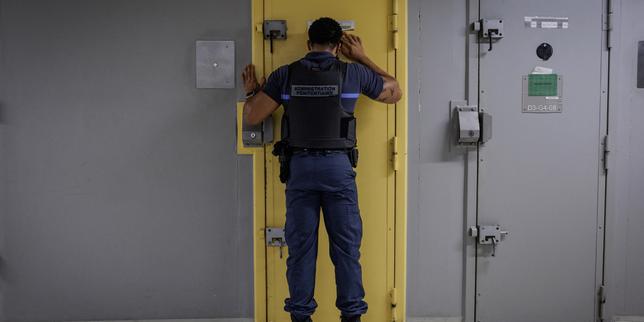
Mattresses thrown straight onto concrete floors. Inmates crammed three to a tiny cell built for one. The French prison system is breaking. Recent justice ministry numbers reveal a staggering milestone: over 90,000 people locked up behind bars.
Let's look at the raw reality. France has roughly 60,000 operational prison spaces. Do the math. That pushes the average density rate past 140 percent nationally, while major detention houses soar much higher. Thousands of individuals don't even get a bed frame. They sleep on thin mattresses placed directly on dirty floors, right next to open toilets.
How did it get this bad? And more importantly, why do previous government pledges keep failing to fix the gridlock?
The Crushing Reality of Chronic Overcrowding
Politicians love announcing grand building initiatives. They roll out massive national plans, promise thousands of brand-new cells, and talk tough on crime. Yet the concrete execution tells a different story. Less than a third of the 15,000 extra spaces promised back in a 2018 national initiative actually materialized on schedule.
Meanwhile, courts keep sending people away. France holds one of the worst crowding ratios across Europe, sitting right alongside Turkey with roughly 131 to 140 inmates for every 100 available spots.
When facilities swell like this, daily life inside changes instantly.
- Access to rehabilitation programs evaporates.
- Educational workshops shut down to make room for extra bunk beds.
- Tensions spike between exhausted guards and frustrated inmates.
Guards work double shifts in volatile environments. Inmates live in conditions that human rights organizations repeatedly condemn. European courts routinely fine France for degrading treatment behind bars, yet the numbers keep climbing upward month after month.
Why Quick Fixes Fall Short
Faced with mounting pressure, officials lean toward rapid deployment options. The current strategy involves building modular, prefabricated cells. These units cost less and go up faster than traditional masonry buildings. The ministry aims to deliver thousands of these supplementary slots soon, hoping to drain some pressure from the system.
Modular buildings won't solve the core rot. They treat the symptom while ignoring the structural pipeline feeding the courts.
Think about the composition of the detained population. A massive chunk consists of pre-trial detainees who haven't even been convicted by a judge yet. They sit inside overcrowded holding facilities for months, sometimes years, waiting for their day in court. When pre-trial detention becomes the default option rather than a strict last resort, the system chokes itself.
Furthermore, short prison sentences often do little to curb repeat offenses. Instead, they act as finishing schools for petty criminals, introducing low-level offenders to hardened networks.
What Actually Needs to Change
Fixing this mess requires political courage that goes beyond cutting ribbons on prefabricated cell blocks. Real reform means looking at sentencing guidelines. It means expanding alternative punishments like electronic monitoring and community service for non-violent offenses. It requires pouring resources into mental health support and addiction treatment outside of concrete walls.
Until policymakers address the speed of trials and the overuse of short incarcerations, no amount of modular construction will keep up. The system is past the point of minor adjustments.
Over 90,000 human beings live inside a grid that was built for far fewer. Ignoring the rot won't make the numbers go down.
Overcrowded Prisons: 9,000 Inmates Sleeping on Floor Mattresses
This video provides a direct look at the severe conditions and the thousands of inmates forced to sleep on floor mattresses due to the record-breaking overcrowding in French prisons.



