Diplomatic receptions in international relations operate as quantifiable indicators of state preference rather than mere ceremonial theatre. When Uzbek President Shavkat Mirziyoyev executed an unheralded personal protocol by receiving Indian Prime Minister Narendra Modi directly at Tashkent International Airport, the diplomatic signal surpassed standard protocols of state visits. This analysis deconstructs the structural mechanics, economic intersections, and security imperatives driving the current bilateral convergence between New Delhi and Tashkent, moving past surface-level optics to examine the underlying calculus of Central Asian integration.
The strategic trajectory of India-Uzbekistan relations rests upon three distinct operational pillars: physical and digital connectivity, resource diversification, and regional security alignment. Central Asia functions as the northern pivot of India's extended neighborhood strategy, yet structural geography introduces persistent friction costs. Direct overland transit corridors remain constrained by regional geopolitical bottlenecks, forcing both capitals to optimize alternative multi-modal logistical networks, including the International North-South Transport Corridor framework and targeted transit arrangements through Iranian infrastructure nodes like Chabahar Port.
Economic complementarity dictates the longevity of this state partnership. Uzbekistan possesses extensive critical raw materials, energy reserves, and an expanding industrial base aligned with its domestic modernization targets, while India offers scalable technological integration, pharmaceutical capacity, and a massive consumer market. Bilateral trade metrics, historically lagging behind civilizational narratives, are currently targeted for structural expansion through joint venture mechanisms and bilateral investment treaties. Delegation-level talks centering on the harmonization of India's long-term economic roadmap with Uzbekistan's structural reforms illustrate a calculated effort to insulate bilateral supply chains from external macroeconomic shocks.
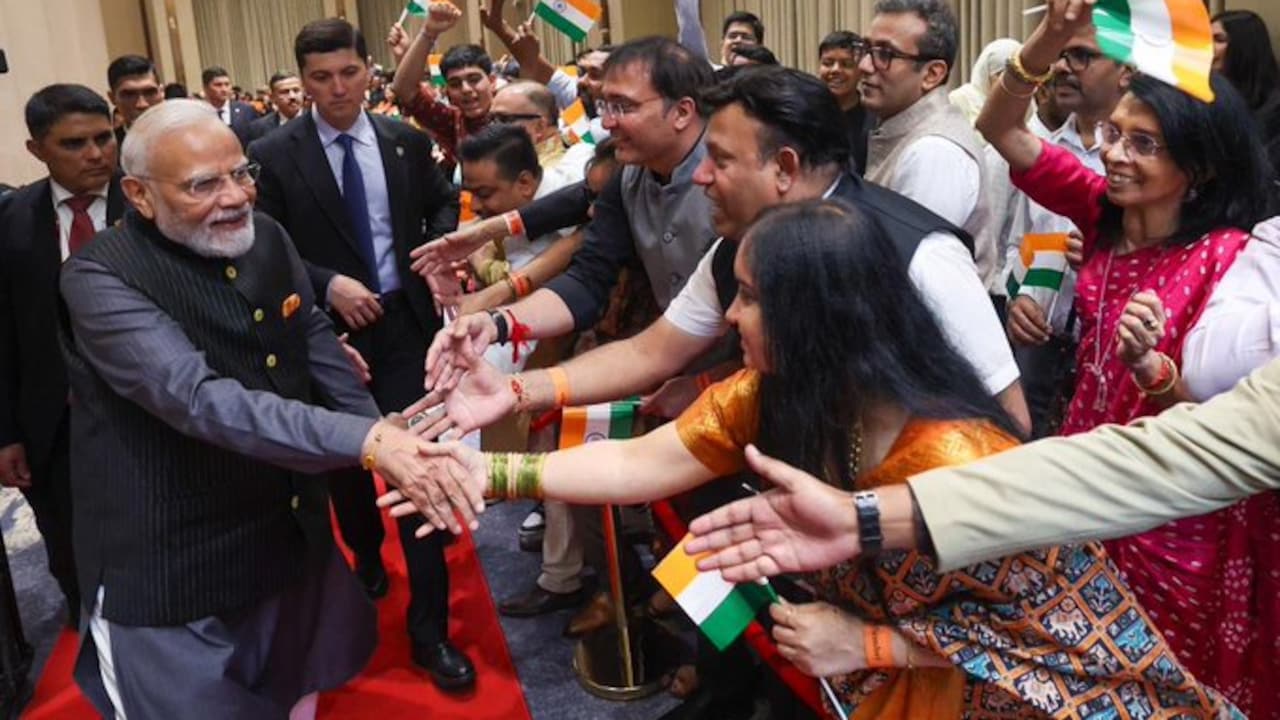
Beyond raw trade metrics, the diplomatic architecture relies heavily on diaspora infrastructure and historical memory to minimize friction in public diplomacy. Cultural diplomacy, operationalized through institutions such as the Mahatma Gandhi Centre at the Tashkent State University of Oriental Studies and dedicated historical preservation efforts like the Lal Bahadur Shastri Memorial, serves a specific functional purpose. It establishes institutional permanence that survives electoral cycles in both democracies. Diasporic integration, highlighted by structured community engagements in Tashkent, functions as a bilateral stabilizing agent, reinforcing trade networks with interpersonal trust.
The timing of this state visit immediately precedes the multilateral Shanghai Cooperation Organisation Summit hosted in Bishkek. This sequence is not accidental. Bilateral engagements executed on the margins of broader multilateral assemblies allow middle powers to pre-coordinate policy positions regarding Eurasian security architecture, counter-terrorism frameworks, and regional stabilization, particularly concerning post-transition Afghanistan. By consolidating bilateral consensus in Tashkent before entering the broader multilateral bargaining arena, both nations maximize their collective leverage within the broader Eurasian security complex.
Optimal strategic output requires acknowledging the inherent limitations constraining this partnership. Bureaucratic latency in cross-border payment mechanisms, lingering logistical overheads, and divergent regulatory standards continue to restrict small and medium enterprise participation in bilateral commerce. Overcoming these friction points demands a shift from high-level political declarations to bottom-up regulatory streamlining, focusing explicitly on digital trade documentation and localized currency settlement systems to bypass third-party banking vulnerabilities.
The video linked above provides visual documentation of the presidential reception at Tashkent International Airport, underscoring the protocol gestures that initiated these bilateral deliberations.