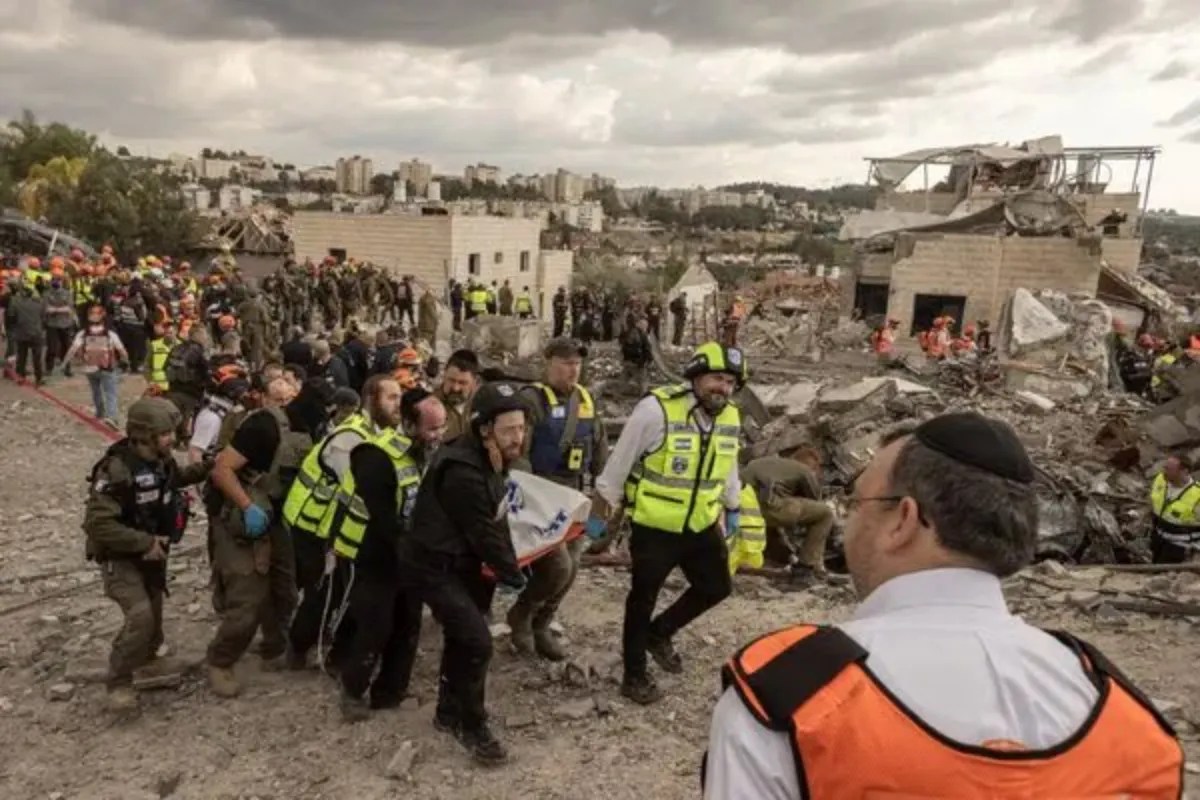
The death of Ali Khamenei creates a structural failure in the "Velayat-e Faqih" system, transforming the Iranian state from a centralized ideological monolith into a fragmented security state. This transition occurs under the maximum kinetic pressure of U.S. and Israeli strikes, which are designed to decapitate the Command and Control (C2) nodes of the Islamic Revolutionary Guard Corps (IRGC) before a successor can consolidate power. The intersection of a domestic power vacuum and external military attrition forces a re-evaluation of the Iranian "Forward Defense" strategy—a doctrine that is currently being dismantled in real-time.
The Architecture of Collapse: Three Pillars of Instability
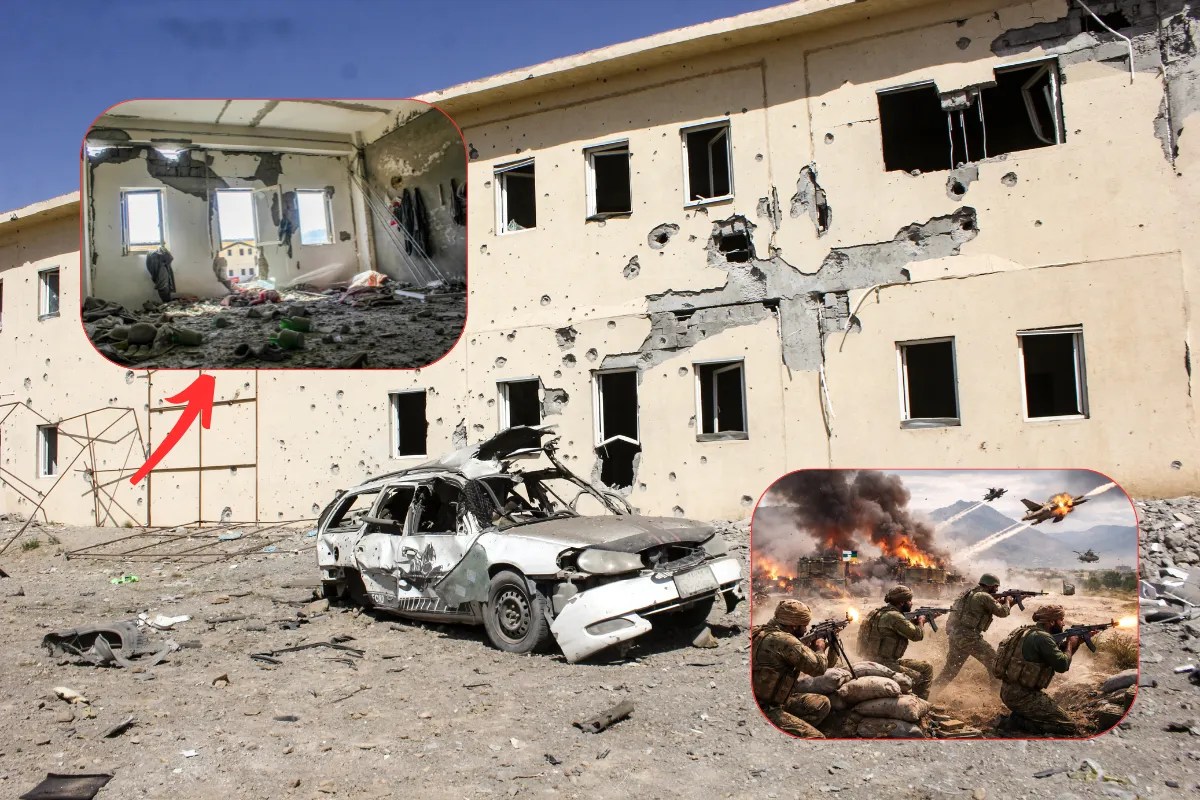
The current crisis is not a standard leadership transition; it is a simultaneous failure of the three mechanisms that have sustained the Islamic Republic since 1979. Also making headlines lately: The Kinetic Deficit Dynamics of Pakistan Afghanistan Cross Border Conflict.
1. The Theological Legitimacy Deficit
The office of the Supreme Leader requires a specific blend of religious seniority and political acumen. Khamenei’s death removes the final arbiter of factional disputes between the "Pragmatists" (who favor economic reintegration) and the "Principlists" (who favor ideological purity). Without a consensus candidate, the legal framework of the state enters a period of high-entropy competition.
2. The Proxy Attrition Function
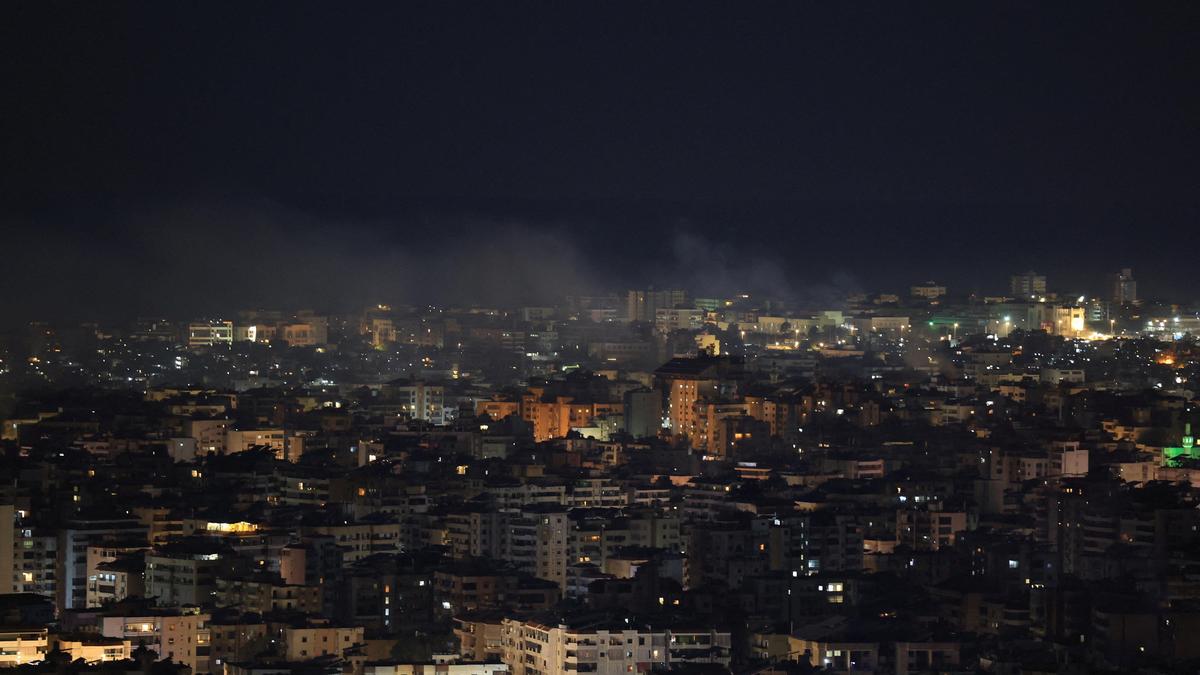
The "Axis of Resistance" relies on the IRGC-Quds Force as a centralized logistics and funding hub. Concurrent Israeli strikes on IRGC assets in Syria and Lebanon, combined with U.S. strikes on Iranian soil, disrupt the "Ring of Fire" strategy. When the center (Tehran) is under direct kinetic threat, the periphery (Hezbollah, Houthis, PMF) loses its strategic coordination, forcing these groups to prioritize their own local survival over Tehran’s regional objectives. Further insights into this topic are detailed by BBC News.
3. The Economic Sanctions Multiplier
Military pressure is effective only when the target lacks the fiscal reserves to repair infrastructure or pay security forces. The "Maximum Pressure" 2.0 framework under the Trump administration aims to reduce Iranian oil exports to near-zero, targeting the "Grey Market" intermediaries in East Asia. This creates a bottleneck where the IRGC must choose between funding the internal repression apparatus or maintaining external militia networks.
Kinetic Calculus: The U.S. and Israeli Strike Logic
Recent operations move beyond tactical harassment. They follow a deliberate logic of "Dominance Through Degradation." The primary objectives are focused on neutralizing the two specific capabilities that grant Iran its asymmetric edge: its ballistic missile program and its nuclear enrichment facilities.
- Integrated Air Defense Systems (IADS) Suppression: Initial waves of strikes target the S-300 and domestically produced Bavar-373 batteries. By blinding the Iranian Air Force, the U.S. and Israel create a "Permissive Environment" where subsequent sorties can operate with near-zero attrition rates.
- Logistical Severance: Strikes on the Port of Bandar Abbas and key rail links between the interior and the borders prevent the IRGC from replenishing its regional stockpiles.
- The Command Vacuum: Targeting the IRGC’s "Saray" headquarters and communication hubs during a leadership transition prevents the Assembly of Experts from meeting or communicating securely, effectively freezing the succession process.
The Trump Doctrine: Coercive Diplomacy and the Negotiating Table
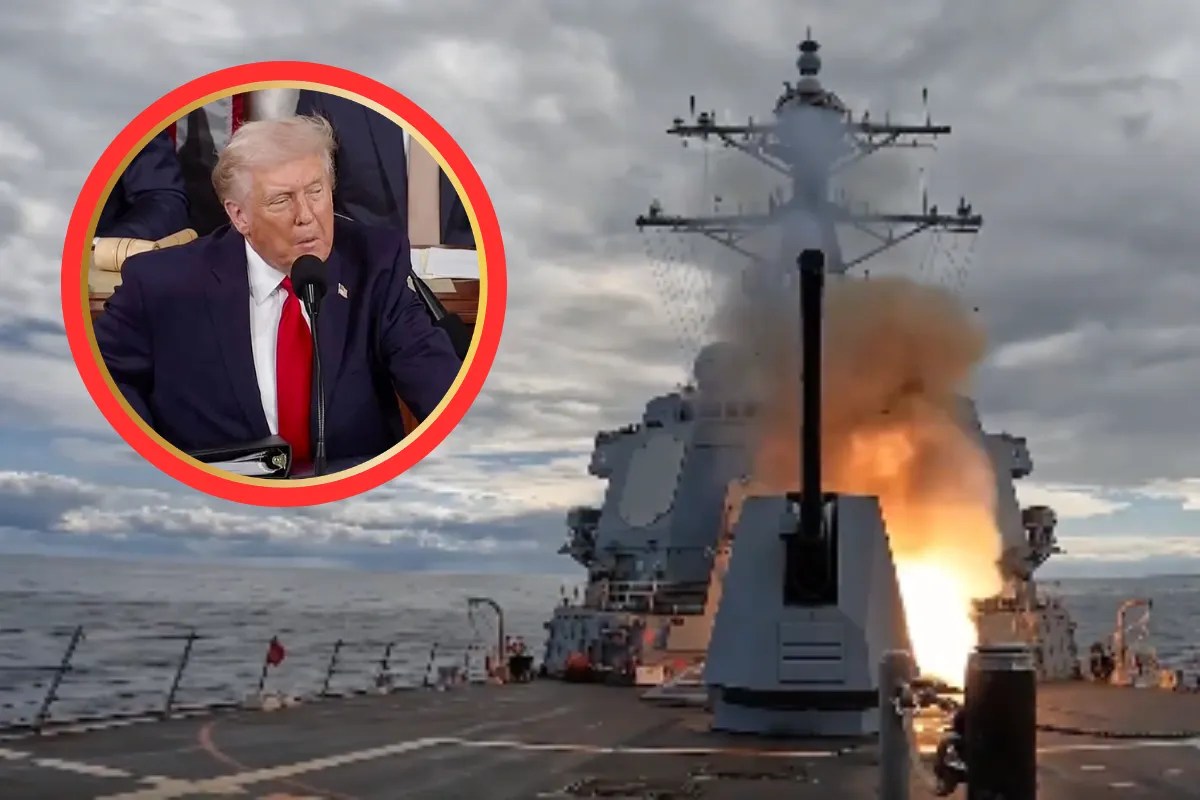
Donald Trump’s signaled willingness to engage with "new leadership" is not a pivot toward pacifism; it is an application of the "Art of the Deal" to high-stakes geopolitics. The logic follows a three-stage escalation-to-de-escalation cycle.
The Leverage Threshold
Negotiation only begins once the opponent’s "Best Alternative to a Negotiated Agreement" (BATNA) is destroyed. By pounding Iranian positions while Khamenei’s seat is vacant, the U.S. ensures that any emerging leader—be it Mojtaba Khamenei or a military junta—enters the room from a position of systemic weakness. The goal is a "Grand Bargain" that exceeds the scope of the 2015 JCPOA, demanding the total cessation of ballistic missile development and the permanent dismantlement of regional proxies.
The Military-Junta Hypothesis
As the clergy loses its grip, the IRGC may transition from the "Guardians of the Revolution" to the "Owners of the State." A military-led Iran might be more pragmatic regarding economic survival than a theocratic one. Trump’s strategy bets on the idea that a general or a secular-leaning nationalist would trade ideological expansionism for the removal of sanctions and the preservation of their own internal power.
Structural Bottlenecks in the Iranian Response
Iran’s ability to retaliate is constrained by several hard technical and political variables:
- Accuracy Deficits: While Iran possesses thousands of drones and missiles, their circular error probable (CEP) remains high against hardened or mobile U.S. targets.
- Internal Dissent: The "Woman, Life, Freedom" movement and general economic malaise mean that any large-scale war effort risks a domestic uprising. The IRGC cannot fight a two-front war against its own population and the world’s most advanced air forces.
- The Chinese Constraint: While China buys Iranian oil, it has no interest in a regional conflagration that closes the Strait of Hormuz and spikes global energy prices. Beijing’s "Neutrality with Chinese Characteristics" means Iran cannot rely on a Russian-style lifeline if the conflict scales.
The Cost Function of Continued Hostility
For the U.S. and Israel, the "Cost of Action" (munitions, fuel, political capital) is currently lower than the "Cost of Inaction" (a nuclear-armed Iran or a permanent Hezbollah presence on the border). The strategy seeks to push the Iranian state toward a "Strategic Inflection Point" where the maintenance of the current revolutionary posture becomes mathematically impossible.
The removal of Khamenei acts as a catalyst. In chemical terms, he was the stabilizer of the Iranian solution. Without him, the solution becomes volatile. The military strikes are the heat applied to force a reaction—either the total crystallization of a new, more compliant regime or the complete evaporation of the current state structure.
The immediate strategic priority for Western intelligence is the identification of "Reformist Hardliners"—elements within the IRGC who recognize that the 1979 model is no longer viable. These individuals will be the primary targets for the "Willingness to Talk" overtures. By offering a path to institutional survival for a select few, the U.S. can catalyze an internal coup, effectively ending the Islamic Republic through a combination of external kinetic pressure and internal incentivization.
Investors and regional actors should prepare for a period of extreme volatility in the Brent Crude markets as the "War Premium" fluctuates with every strike. However, the long-term trajectory points toward a forced neutralization of the Iranian threat, as the structural foundations of the regime are now being systematically liquidated.
The final play is not a regime change from the outside, which carries the baggage of the Iraq War, but a regime collapse from within, accelerated by the surgical removal of the state’s ability to defend itself or its ideology. The window for the Iranian leadership to accept the Trump administration's terms is closing in direct proportion to the number of IRGC C2 nodes destroyed.