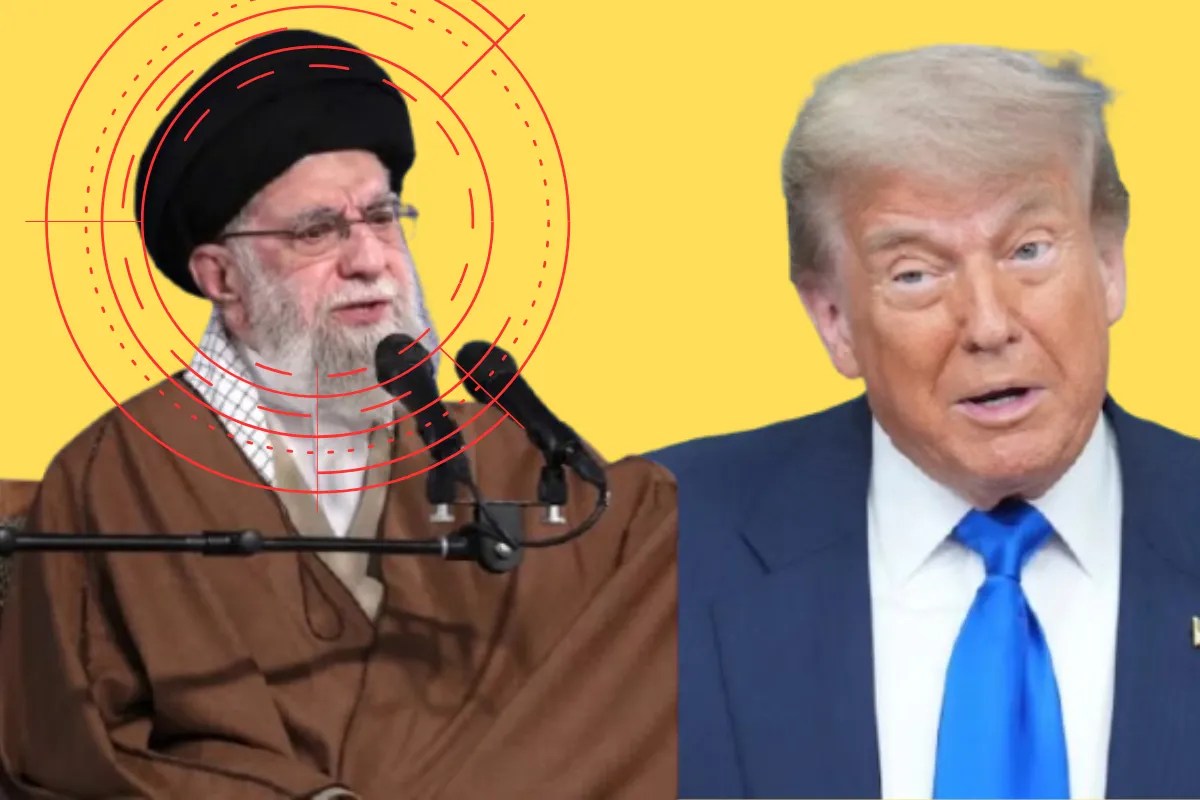
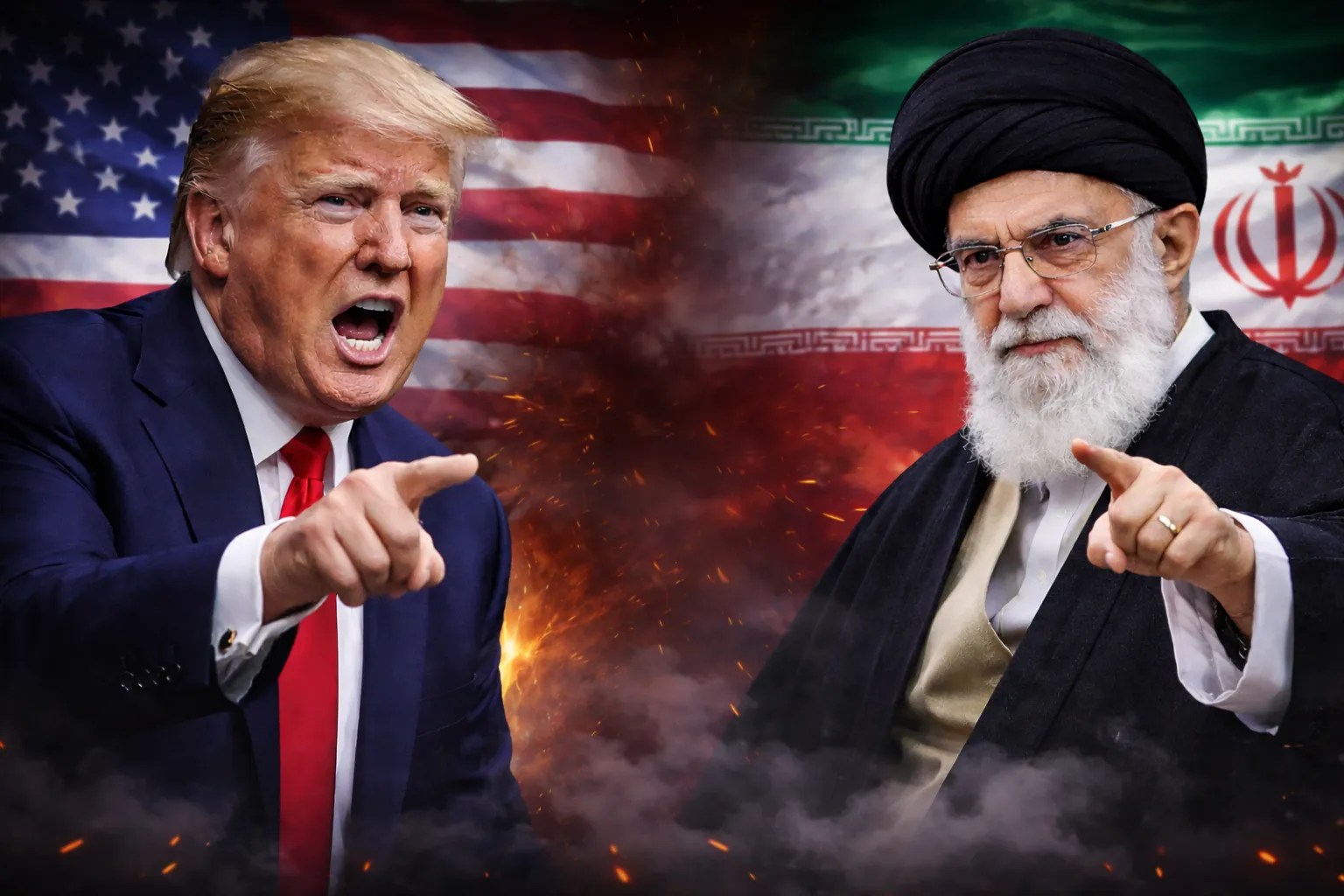
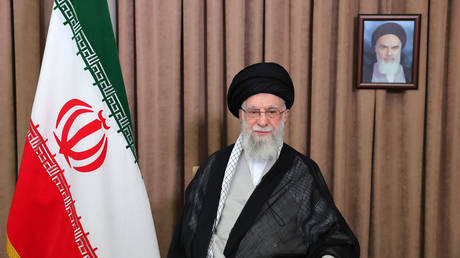
The sudden removal of Ali Khamenei from the Iranian power structure, occurring simultaneously with coordinated kinetic strikes by U.S. and Israeli forces, does not merely create a leadership gap; it triggers a fundamental reconfiguration of the Middle Eastern security architecture. In geopolitical terms, this is the collapse of a "hub-and-spoke" model where Tehran served as the central clearinghouse for regional instability. The immediate global reaction—characterized by tactical caution and diplomatic hedging—reflects an acute awareness of the "Succession Paradox": while the removal of a primary adversary reduces centralized command, it simultaneously increases the entropy of non-state actors and proxy networks.
The Tri-Node Framework of Iranian Power Stability
To analyze the current crisis, one must decompose the Iranian state into three functional nodes. The stability of the regime depended on the fluid interaction between these components, all of which are currently under extreme stress.
- The Ideological Anchor (The Rahbar): The Office of the Supreme Leader provided the ultimate legal and religious legitimacy for the Guardian Council and the Assembly of Experts. Without a pre-negotiated successor, the constitutional process enters a period of high friction.
- The Praetorian Guard (The IRGC): The Islamic Revolutionary Guard Corps operates as a parallel military-industrial complex. In the absence of a Supreme Leader to mediate between IRGC factions and the regular army (Artesh), the risk of internal "command-and-control" fracturing rises.
- The Proxy Network (The Axis of Resistance): Groups such as Hezbollah, Kata'ib Hezbollah, and the Houthis operate on a specific financial and intelligence lifecycle managed by the Quds Force. A decapitation at the top of the Iranian state disrupts the long-term strategic guidance these groups require to synchronize their operations.
Strategic Ambiguity and the Global Response Matrix
World leaders have adopted a posture of "wait-and-see" not out of indecision, but as a calculated response to the high variance of potential outcomes. This caution is mapped across three distinct diplomatic blocs, each facing a different set of risks.
The Western Coalition: Escalation Management
The primary objective for Washington and its European allies is the prevention of a "spillover effect." While the strikes achieved immediate tactical goals—neutralizing specific IRGC infrastructure and nuclear-adjacent facilities—the strategic risk lies in the Symmetry of Retaliation. If the Iranian transition period is dominated by hardline IRGC elements, the likelihood of "irrational" asymmetric strikes against global energy chokepoints, specifically the Strait of Hormuz, increases. This creates a bottleneck in global oil supply that could trigger a 15% to 25% price surge within a 72-hour window.
The Regional Hexagon: Security Dilemmas
For Saudi Arabia, the UAE, and Jordan, the death of Khamenei presents a dual-edged reality. On one hand, it removes the architect of the "Shia Crescent." On the other, it risks a "Failed State Scenario" on their doorstep. A destabilized Iran with a loose command of its missile inventory is, in many ways, more dangerous than a hostile but predictable Iran. These states are currently engaged in back-channel "de-confliction" talks to ensure they are not targeted as staging grounds for further Western operations.
The Eurasian Pivot: Russia and China
Moscow and Beijing view the situation through the lens of Multipolar Resource Preservation. Russia relies on Iranian drone technology and tactical cooperation in Syria; China relies on discounted Iranian crude to fuel its industrial base. Their "cautious" rhetoric is a diplomatic shield intended to preserve their influence within the Iranian "Deep State" regardless of who emerges from the power struggle.
The Mechanics of Proxy Fragmentation
The most significant overlooked variable in current reporting is the Decentralization of Command within the "Axis of Resistance." Standard analysis assumes these groups are mere puppets. However, a more accurate model is that of a "Franchise System."
Tehran provides the brand, the high-end hardware, and the strategic roadmap. When the corporate headquarters (Tehran) enters a leadership crisis, the individual franchises (Hezbollah, PMF, Houthis) gain increased autonomy. This creates a "Local Agency Problem." Without Khamenei’s ultimate authority to restrain or trigger these groups, local commanders may initiate high-intensity conflicts based on immediate tactical opportunities or perceived threats to their own survival.
This leads to a paradox: a weakened Iran could result in a more violent, albeit less coordinated, Middle East.
Quantitative Risk Indicators for Market Stability
Investors and strategic planners are currently tracking three specific metrics to determine the trajectory of the crisis:
- The Breakeven Cost of Transit: Insurance premiums for maritime freight in the Persian Gulf. A sustained rise here indicates that the market expects "Gray Zone" naval warfare.
- The Centrifuge Operational Status: Intelligence regarding the continued enrichment of uranium at Fordow and Natanz. If enrichment continues unabated during the transition, it signals that the "Deep State" remains committed to the nuclear threshold.
- The IRGC Internal Communication Density: Signal intelligence monitoring for spikes in encrypted traffic between Tehran and regional outposts. High density suggests a coordinated succession; low density suggests fragmentation and potential internal purges.
Structural Limitations of Kinetic Intervention
The U.S. and Israeli strikes serve a specific function: degrading the physical capacity of the adversary. However, kinetic force cannot dictate the outcome of an internal power struggle. The "Cost-Benefit Analysis" of these strikes must account for the Rally-Round-the-Flag Effect. In the short term, external aggression often catalyzes domestic unity, even within a fractured regime. The success of the intervention will not be measured by the number of targets destroyed, but by whether it forces the next Iranian leadership to prioritize internal preservation over external expansion.
The Succession Lifecycle: Predicting the Next Phase
The Iranian constitution mandates an election within 50 days of the leader’s death. This period is a "High-Volatility Window." We can categorize the potential outcomes into three tiers:
- The Managed Transition (40% Probability): The Assembly of Experts quickly ratifies a compromise candidate, likely a mid-ranking cleric with deep IRGC ties. This represents a "Status Quo Minus" scenario.
- The Military Junta (35% Probability): The IRGC moves from being the "power behind the throne" to the throne itself. This would result in an overtly militarized foreign policy and a total suspension of diplomatic engagement with the West.
- The Fractional Collapse (25% Probability): Open conflict between the Artesh, the IRGC, and civil society. This leads to a prolonged period of internal chaos, rendering Iran a non-actor in regional politics for several years but creating a massive refugee and proliferation crisis.
Strategic Recommendation for Global Actors
The immediate priority for international stakeholders must shift from "punitive action" to "containment and monitoring." The tactical objective of neutralizing high-value Iranian assets has been met; further kinetic escalation during the 50-day transition window risks a "Martyrdom Narrative" that would empower the most radical factions of the IRGC.
The move is to establish a "Red Line Protocol" that is communicated through third-party intermediaries (such as Oman or Qatar). This protocol must explicitly define the consequences of proxy-led retaliation or a push toward 90% uranium enrichment. By decoupling the leadership transition from the kinetic conflict, the international community can create the necessary space for the internal Iranian power struggle to reach its natural, likely exhausted, conclusion.
The focus should now be on the "re-anchoring" of the regional security environment, ensuring that the vacuum left by the Khamenei era is filled by a multi-state security pact rather than a new, more volatile radicalism.