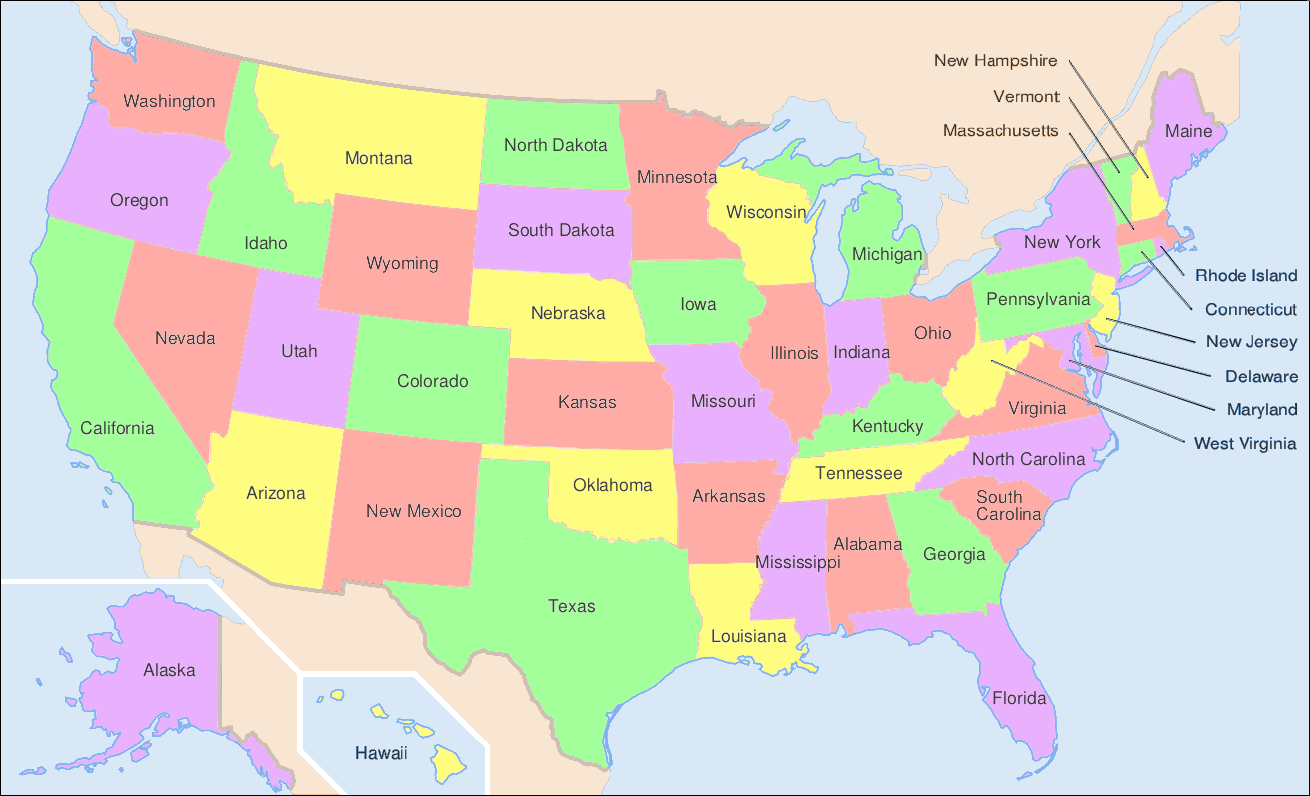
The screen was always glowing. In the quiet hours of a Washington bedroom, long after the rest of the world had surrendered to sleep, a digital connection hummed with a dark, terrifying energy. Distance is an illusion to the modern mind. A teenager sitting in a quiet Pacific Northwest suburb is only a keystroke away from someone across an international boundary, sharing thoughts, anxieties, and, in the darkest corners of the internet, validation for atrocities yet uncommitted.
We like to think that evil arrives with a siren and flashing lights. We imagine it as a sudden, violent storm that breaks without warning. But the reality is far more insidious. It creeps in through the pixelated glow of chat rooms and encrypted messaging apps, whispered in shorthand, baptized in isolation.
Consider the architecture of a modern conspiracy. It does not require a war room or a clandestine meeting in a smoke-filled alleyway. It requires only two disaffected souls, hidden behind glowing rectangles, whispering dark intentions into the void until the unthinkable begins to feel like destiny.
Federal investigators would later piece together the timeline, mapping out the digital breadcrumbs left behind by a Washington resident who conspired with a Canadian school shooter before the attack took place. The details read like a modern ghost story. Words exchanged across a border, plans refined in secret, a shared obsession with infamy, and a mutual descent into a pathology that treated human lives as collateral damage in a bid for attention.
How does a mind travel that far into the dark?
It starts with the mundane. A feeling of being unseen. The world moves too fast, cares too little, and leaves too many behind in the quiet margins of society. In that vacuum, online subcultures wait like open jaws. They offer community, albeit a toxic one. They offer purpose, even if that purpose is destruction.
When the Washington resident connected with the individual who would eventually open fire at a school in British Columbia, they were not just swapping files or venting frustration. They were constructing a shared reality. In this fabricated domain, normal rules of empathy dissolved. Every grievance was magnified. Every dark impulse was encouraged.
Distance ceased to matter. The border between the United States and Canada became an invisible line that their rhetoric crossed effortlessly, day after day, message after message.
Law enforcement agencies are forced to operate in a strange, shifting landscape. They are tasked with policing the physical world while the threats are being born and nurtured in the digital ether. By the time a digital conspiracy crosses the threshold into real-world violence, the warning signs have often blurred into the background noise of the internet. Millions of messages fly across fiber-optic cables every second. How do you find the one needle of true intent hidden in a haystack of teenage bravado and internet gallows humor?
That is the terrifying question facing modern security officials.
When the plot finally unraveled and the authorities moved in, the shockwaves hit close to home. Neighbors in the Washington community looked at one another with a sudden, unsettling realization. The threat had not come from some foreign, incomprehensible wilderness. It had lived next door. It had walked the same streets, breathed the same air, and hidden behind a bedroom door.
We are left to grapple with the fallout of proximity. We are connected to everything, yet increasingly disconnected from each other. The same technology that allows us to bridge oceans also allows darkness to find a kindred spirit three hundred miles away.
The investigation continues to unfold, revealing the chilling extent of the digital partnership. Transcripts of messages paint a portrait of two people egging each other on, building a momentum of malice that neither had the courage—or perhaps the desire—to stop. It is a grim reminder that words are never just words. Sometimes, they are the architectural blueprints of tragedy.
We look back at the trail of digital footprints, wondering where the fracture actually occurred. Was it the first time the Washington resident logged onto a fringe forum? Was it the moment a cynical thought hardened into an actionable plan? Or was it simply the quiet failure of a society that allowed two young people to drift so far into the shadows that violence felt like the only way to make the world look at them?
The screen goes dark. The bedroom is quiet again. But the questions remain, hanging in the air like smoke after a fire, demanding answers we are only beginning to understand.