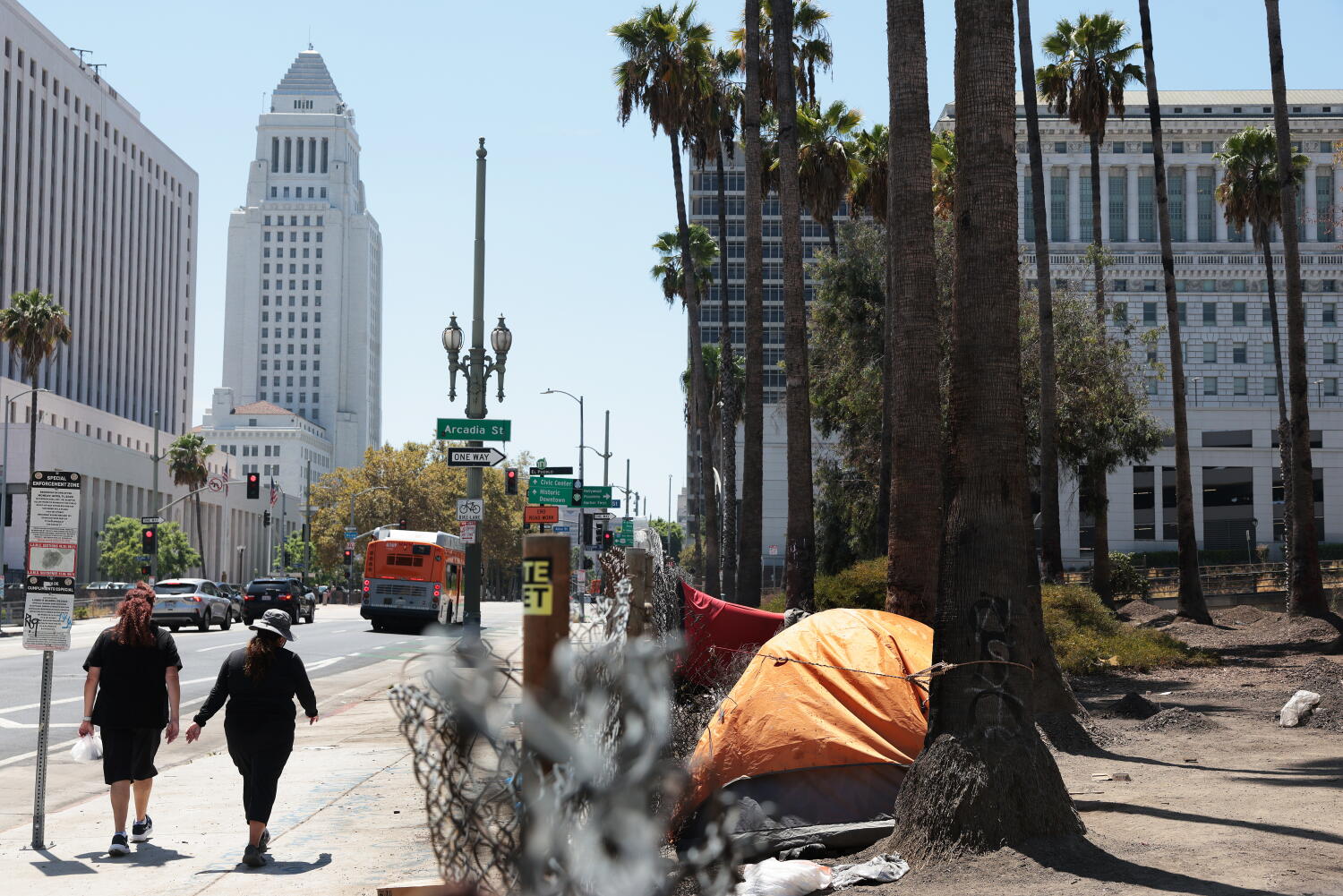
The tent zipper makes a distinct, metallic shhhk at 5:30 in the morning. It is a sound you never forget once you have heard it echo off the concrete canyons of downtown Los Angeles while the rest of the city is still asleep.
For years, that sound was my alarm clock. Walking those blocks before sunrise—past the faded tarps, the shopping carts stacked with a lifetime's worth of damp cardboard and scrap metal, the acrid tang of stale urine baking into the asphalt—you learn quickly that policy papers do not keep the rain out. Neither do press conferences.
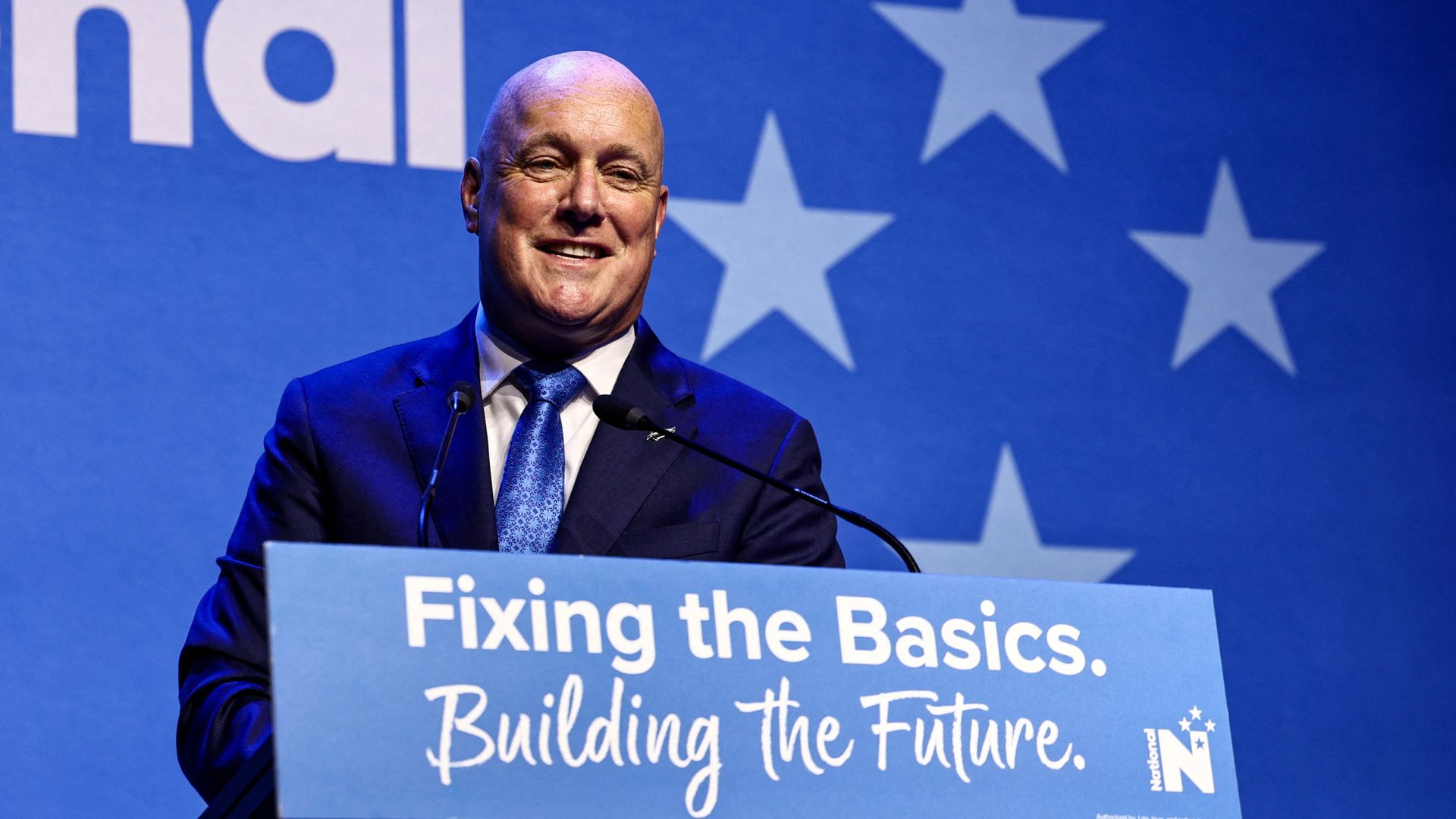
Right now, Los Angeles is standing at the edge of another grand political pledge. Mayor-elect Nithya Raman has just won the keys to City Hall on a bold, breathtaking promise: she will cut street homelessness in half before the 2028 Olympic torch is lit, and effectively end long-term encampments by 2030.
Hope. It is a dangerous currency in a city that has gone bankrupt on good intentions.
If you have lived in Southern California for more than a decade, you have heard this exact song played on a dozen different instruments. You remember Eric Garcetti swearing he would solve the crisis, watching billions of dollars vanish into voter-approved bonds like Proposition HHH while the tent cities only metastasized. You remember Karen Bass declaring a state of emergency on her very first day in office, pouring $300 million into Inside Safe motel rooms, only for audits to reveal that roughly 40 percent of the people pulled off the pavement ended up right back on the concrete.
So when Raman steps up to the podium and promises to slash the unsheltered population by 50 percent—a staggering target that means finding lasting roofs for more than 14,500 human beings in less than two years—a bone-deep skepticism sets in. Can she actually break the cycle of failure, or are we just watching the newest architect build another sandcastle before the tide comes in?
The Anatomy of a Broken Machine
To understand why Los Angeles keeps failing, you have to stop looking at homelessness as a single problem and start seeing it as a clogged, rusted machine where two separate engines are fighting each other.
Picture a hypothetical woman named Elena. Let's call her a composite of dozens of people I have watched slip through the cracks of the Los Angeles basin. Elena is 54, a former hotel housekeeper whose knees gave out after twenty years of scrubbing tubs, followed closely by an eviction notice when her rent jumped by four hundred dollars. She ends up living out of a dented Honda Civic near an overpass in Silver Lake, battling severe untreated depression and creeping diabetic neuropathy.
In a sane system, a single door would open for Elena. In Los Angeles, she walks straight into a bureaucratic hall of mirrors.
For years, the city and the county operated like divorced parents arguing over who had to pay for groceries while the kids went hungry. The City of Los Angeles controlled the land, the zoning laws, the police, and the sanitation trucks that swept encampments. Meanwhile, Los Angeles County held the purse strings for healthcare, addiction recovery, and mental health treatment. Sitting awkwardly in the middle was the Los Angeles Homeless Services Authority—known by the acronym LAHSA—a joint agency that became a black hole of finger-pointing, unspent funds, and missing receipts.
When you put a broken person inside an expensive motel room without fixing the machine around them, you haven't housed them. You have just paused their tragedy.
Think of the city's previous motel strategy like using an emergency room as a primary care clinic. An emergency room will stop the bleeding; it will stabilize your heart rate; it will keep you alive through the night. Yet if you keep every patient in an ER bed for a year at astronomical daily rates without ever transferring them to a recovery ward, the hospital goes broke and the waiting room overflows onto the sidewalk. That is precisely what happened to L.A.'s motel programs, which burned through hundreds of millions of dollars while leaving thousands stranded in temporary limbo.
A Different Blueprint for the Wreckage
This is where Raman argues her approach diverges from the mayors who came before her. She is not coming to City Hall as a career politician looking for a ribbon-cutting photo op; she came up from the dirt, co-founding a grassroots homelessness coalition in Hollywood and spending years sitting on the sidewalk listening to what actually keeps people indoors.
Her diagnosis of the city's failure is blunt: Los Angeles has been paying luxury prices for temporary band-aids while starving the programs that actually keep people housed.
Instead of leaving people languishing in pricey motel rooms indefinitely, Raman's blueprint treats interim shelter strictly as a four-month triage station. The goal is rapid velocity—moving people out of those rooms within 120 days and shifting the city's financial muscle into Time Limited Subsidies. In plain English, these are short-term rental vouchers paired with dedicated case managers that bridge the gap until a person can get back on their feet or transition to permanent support. Data shows these subsidies cost a fraction of motel rooms and yield vastly higher retention rates.
At the same time, she wants to tear down the wall between City Hall and the County's clinical resources. Consider the staggering failure buried in the county's own numbers from late 2025: out of more than 20,000 people sitting in interim shelters across Los Angeles County, fewer than 900 were actively enrolled in the Department of Mental Health's specialized care program. Four percent. Ninety-six percent of vulnerable people brought indoors were essentially left to white-knuckle their trauma alone.
Raman is betting that by deploying proactive street medicine teams funded through Medi-Cal, expanding unarmed crisis response units, and forcing strict data transparency on county service delivery, she can finally hook the medical engine back up to the housing engine.
It sounds logical on paper. Clean. Rational.
Yet anyone who has walked through the political trenches of Los Angeles knows that logic goes to die in City Council chambers.
The Invisible Walls Holding the Crisis Together
Here is the uncomfortable truth that rarely makes it into campaign speeches, and the part that genuinely terrifies me when I think about the next four years: a mayor in Los Angeles is not a king.
Under the city's charter, the mayor has limited unilateral power. Every zoning change, every shelter siting, every contract overhaul has to survive a gauntlet of fifteen independent City Council members, each fiercely protective of their own turf and terrified of angry homeowners showing up at neighborhood meetings. Just months before the election, Council leadership stripped Raman of her chair on the Housing and Homelessness Committee and split the panel in two—a stark reminder that the political establishment at City Hall does not hand out blank checks easily.
And then there is the math of the housing market itself.
You can hand our hypothetical woman, Elena, a shiny new rental voucher tomorrow morning, and it still won't conjure an apartment out of thin air. Los Angeles suffers from a catastrophic shortage of low-income units, compounded by landlords who refuse to accept government subsidies after years of bureaucratic delays and missed payments from city agencies. If Raman cannot persuade private property owners to open their doors—and fast—those vouchers will become worthless slips of paper in the pockets of people still sleeping beside freeway off-ramps.
Even the structural overhaul of homelessness governance carries massive friction. With a federal judge recently stripping LAHSA of control over hundreds of millions in federal funds and handing them to the county, Raman is stepping into a governance earthquake. Rebuilding the plane while flying it at three hundred miles an hour is hard enough; doing it while fending off lawsuits, union disputes, and entrenched bureaucracy is a nightmare.
The Shadow of the Five Rings
Hanging over every single policy debate is a hard, immovable deadline: July 2028.
When the world turns its cameras toward Los Angeles for the Summer Olympics, the city will face an existential temptation. History has shown us what happens when Olympic host cities panic over unsightly poverty. From Atlanta to Rio to Paris, authorities have a dark habit of confusing "ending homelessness" with "sweeping poor people out of camera range."
This is the ultimate trap waiting for Nithya Raman.
If her administration measures success merely by clearing tents around the Coliseum, downtown hotels, and transit corridors before the opening ceremony, she might hit her 50 percent target on a spreadsheet while failing the soul of the city. Pushing desperate people from Hollywood to the outer edges of the San Fernando Valley, or cycling them through temporary shelters that dump them back onto the pavement the moment the closing fireworks fade, would be the cruelest betrayal yet.
True success means that if you walk down an alley in Boyle Heights or under a bridge in Venice in November 2028—long after the athletes have gone home and the broadcast trucks have rolled away—the sidewalks are clear because the people who lived on them are actually sleeping behind locked front doors of their own.
I want to believe she can pull it off. Watching human beings deteriorate on concrete sidewalks in the richest nation on earth is a slow-motion moral injury that scars everyone who witnesses it, whether you are the person shivering under a wet blanket or the parent walking a child past an open wound on the way to school. Cynicism is easy; it requires nothing of us except to shrug and walk faster.
Still, hope in Los Angeles has to be earned brick by brick, lease by lease, life by life.
Down on Skid Row tomorrow morning, before the sun clears the San Gabriel Mountains, someone is going to pull back the zipper of a nylon tent and step out onto the cold concrete. They will not care about political mandates, historical cycles, or Olympic timelines. They will only care whether the city that promised to save them finally learned how to keep its word.