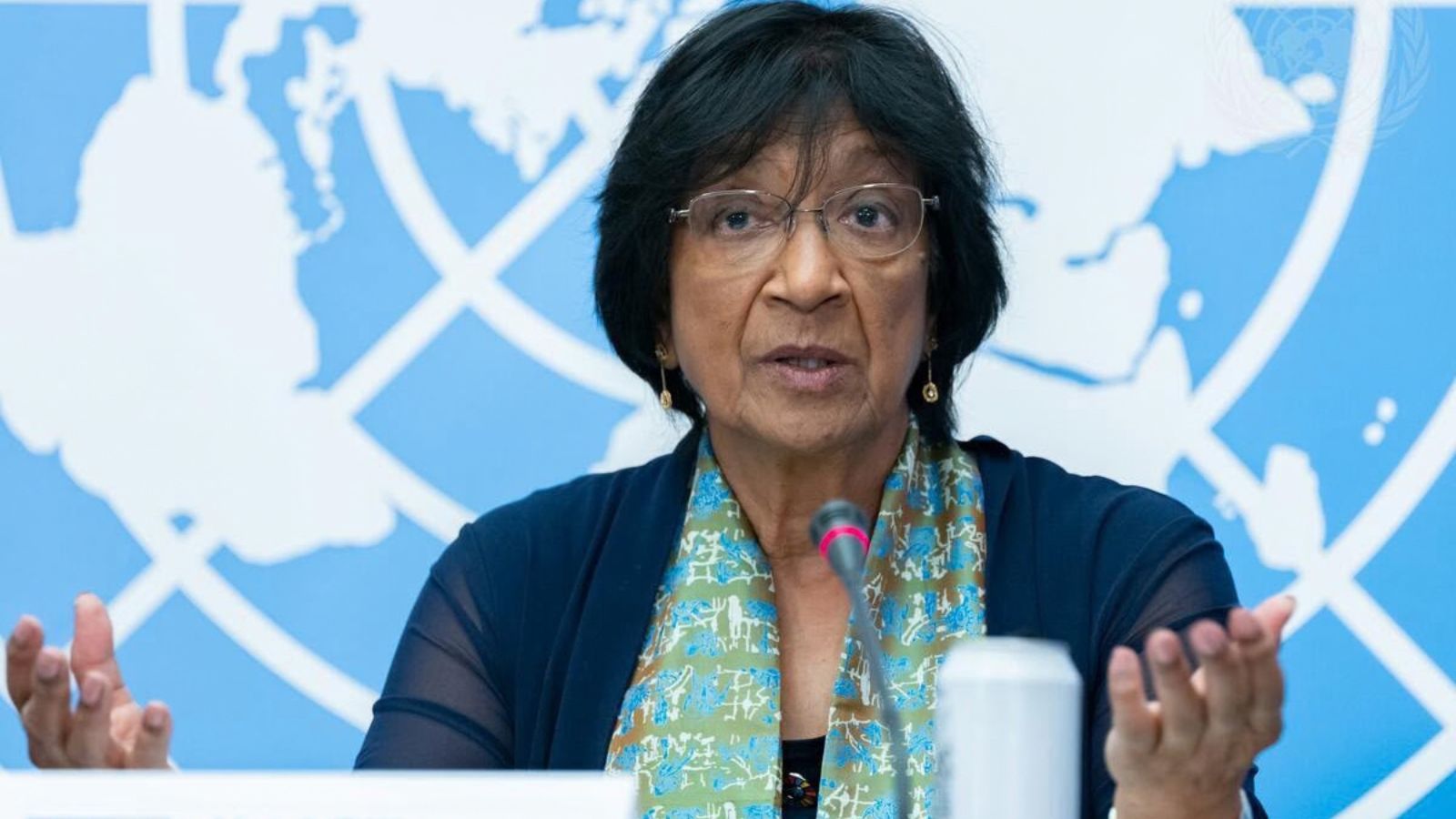
The committee in Oslo just handed out another participation trophy disguised as the highest honor in international diplomacy. Navanethem Navi Pillay winning the Nobel Peace Prize for 2026 is being cheered across the commentariat as a masterstroke of moral clarity. It is anything but that. It is the institutional equivalent of throwing your hands in the air, retreating to a safe bureaucratic bunker, and declaring that peace is no longer an active strategy to be forged through blood, grit, and dangerous compromises. It is an award for keeping score while the world burns.
Let us be completely honest about what the peace prize has become. It has devolved into a retirement fund for lifetime functionaries. Pillay spent decades inside the United Nations system, chairing tribunals, writing scathing reports, and issuing declarations that authoritarian regimes file directly into their shredders. I have watched diplomats applaud themselves into a stupor over yet another juridical condemnation of war crimes while actual actors on the ground continue to draw borders with artillery fire. Handing a gavel-wielding jurist the peace prize does not stop a tank. It just gives human rights lawyers a reason to cater another gala in Geneva.
The lazy consensus in every mainstream editorial this week is that moral condemnation equals effective peacebuilding. This is a comforting delusion for people who spend their lives behind mahogany desks. True peace is rarely tidy, and it is almost never delivered by an international court order. It is forged when bitter enemies find mutual economic survival or when realpolitik forces opposing factions to accept an unpalatable compromise. Pillay represents the absolute zenith of the legalist fallacy: the belief that if you write down international law strongly enough, bad men will suddenly develop a conscience and put down their rifles.
History tells a vastly different story. The treaties that actually stopped mass slaughter—from Westphalia to Camp David—were brokered by ruthless operators, cynical realists, and leaders willing to trade justice for stability. When you prioritize retributive justice and endless legal inquiries over immediate cessation of hostilities, you often prolong the killing. Dictators facing guaranteed tribunal indictments do not surrender. They fight harder, burn more villages, and double down on atrocities because they have nothing left to lose. By celebrating the architect of eternal legal process, the Nobel committee is inadvertently rewarding the weaponization of bureaucracy over the difficult, messy art of ending a war.
Consider the structural flaw of turning international jurisprudence into our highest standard for peace. Courts look backward. They investigate, they subpoena, they document, and they judge. Peace looks forward. It requires bargain-making with monsters, amnesty clauses that leave victims unsatisfied, and pragmatic deals that violate every textbook principle of human rights. When you honor a career prosecutor and judge as the supreme embodiment of peace, you signal to every mediator on earth that they should stop cutting dirty deals and start filing briefs instead.
We need to stop pretending that institutional witness-bearing is the same thing as intervention. Pillay was brilliant at documenting misery. Her reports on South Africa, on Sri Lanka, and on the occupied territories were meticulously detailed. But documentation is not deterrence. Vladimir Putin did not cancel an invasion because the UN High Commissioner for Human Rights drafted a strongly worded memo. Xi Jinping did not alter his domestic security apparatus because an international tribunal issued a press release. Handing Pillay this prize is a way for Western institutions to pat themselves on the back for acknowledging a crisis without having to spend a single dollar, deploy a single soldier, or make a single difficult geopolitical concession.
This is why the choice feels so hollow. It is safe. It is predictable. It offends no one in the diplomatic corps because it honors one of their own. It requires zero courage from the Norwegian Nobel Committee to validate a retired UN jurist. True courage would look like honoring a radical mediator who brokered a ceasefire with terrorists or a pragmatic autocrat who cracked open a closed society against the wishes of his own hardliners. Instead, we get a gold medal for keeping meticulous records of the apocalypse.
The administrative class loves this kind of validation because it protects their worldview. It tells the world that the current international architecture is working, that the rules-based order is holding, and that if we just write enough condemnations, the bad actors will eventually repent. That is not strategy. That is a coping mechanism for an establishment that has completely lost its grip on actual global power.
If you want to understand why international institutions are increasingly irrelevant to the conflicts shaping our century, look no further than this decision. While drone wars, cyber warfare, and proxy conflicts shatter the old Westphalian map, Oslo is handing out trophies to the head auditor.
We do not need more judges of the carnage. We need architects of an exit. And until the Nobel committee realizes the difference, their peace prize will remain nothing more than an echo chamber for people who prefer talking about war to actually stopping it.


