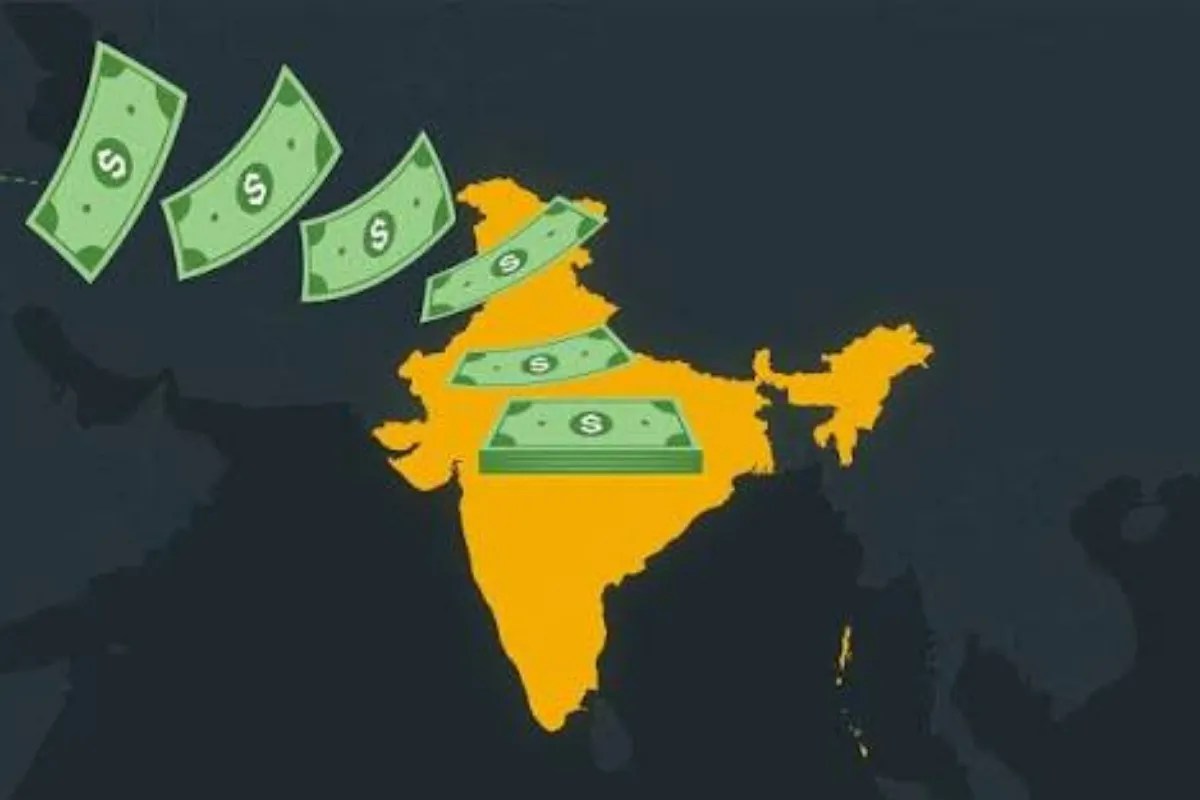
When missiles fly and global oil markets panic, everyone expects economic disaster. Yet, the exact opposite is happening with India's foreign inflows. While the conflict involving Iran threatens supply chains and shuts down shipping lanes, the Indian diaspora just smashed records by sending home over 1.5 lakh crore rupees in a single month. That's a massive financial lifeline. It proves that no matter how chaotic the world gets, the economic bond between overseas workers and their families remains unbreakable.
Many experts predicted a massive drop in remittances when the Middle East crisis escalated. They were wrong. They underestimated the sheer volume and determination of over 18 million non-resident Indians globally.
The Surprise Numbers Behind the Money Inflow
While the World Bank cut its global growth outlook for 2026 due to the Iran conflict, India's incoming cash registers are ringing louder than ever. The recent monthly inflow of 1.5 lakh crore rupees isn't just a random spike. It's part of a broader trend where India consistently dominates global remittance charts, leaving countries like Mexico and China far behind.
Gulf Cooperation Council countries like the UAE, Saudi Arabia, and Qatar usually account for around 38% of this money. When oil prices jumped because of the regional tensions, these oil-exporting nations actually saw their revenues increase. More cash in the Gulf economies means better corporate earnings and steady wages for Indian workers. Instead of hoarding their cash in a volatile war zone, workers rushed to send their savings back home to safer Indian banks.
Where the Money Goes and Why It Matters
This isn't just mad money for luxury spending. It forms the backbone of several state economies. Maharashtra, Kerala, and Tamil Nadu eat up the biggest chunks of these inflows. In states like Kerala, this money has historically funded over a third of the state’s domestic product. It pays for local groceries, school fees, home loans, and medical bills.
This massive influx also helps the broader Indian economy manage its widening trade deficit. When India spends billions importing expensive crude oil, these remittance billions help balance the national checkbook. It keeps the Indian rupee from crashing against the US dollar.
Common Misconceptions About Overseas Indian Wealth
People assume most of this money comes from tech CEOs in Silicon Valley. That's a myth. While the US and UK contribute heavily to high-value deposits, the consistent, monthly volume comes from blue-collar and mid-level workers in West Asia. These individuals live modestly and send almost everything back.
Another big mistake is thinking that geopolitical conflict automatically stops migration. History shows that Indian labor migration is incredibly sticky. Workers don't just pack up and leave at the first sign of trouble unless it's an absolute evacuation scenario. They stay, work through the crisis, and send more money home because their families need a bigger cushion against global inflation.
Smart Money Moves for Remittance Receivers
If you're a family relying on these overseas funds, don't just let the money sit in a standard savings account eating inflation. Take advantage of the current strong rupee dynamics.
- Fixed deposits in Non-Resident External accounts offer highly competitive tax-free interest rates.
- Spreading the money into local mutual funds or diversified equities helps grow the capital while the global market remains shaky.
- Keep a close eye on exchange rate fluctuations to time your transfers when the rupee dips slightly against the dollar or dirham.
Maximizing the value of every single dirham, riyal, or dollar sent back home during a global crisis is the smartest thing you can do right now.