The world is watching a dangerous game of kinetic chess. UN Secretary-General António Guterres just issued a blunt condemnation of the latest cycle of violence involving US-Israeli strikes and Iran's retaliatory moves. If you feel like you’ve read this headline before, you’re right. But the current situation in early 2026 has shifted from a series of isolated skirmishes into a persistent, high-intensity regional conflict that threatens to pull every major global power into the mud.
Guterres isn't just worried about the bombs. He’s worried about the complete collapse of international norms. When the UN chief speaks about "clear violations of national sovereignty," he's calling out a reality where borders in the Middle East have become suggestions rather than legal limits. The recent exchange—started by targeted US-Israeli operations against high-value military infrastructure and followed by a swarm of Iranian drone and missile strikes—marks a point of no return for traditional diplomacy.
The Problem With Tit for Tat Warfare
We’ve reached a stage where "proportionality" is a dead concept. For years, the informal rules of the game meant that if one side hit a warehouse, the other side hit a base. That’s over. The US and Israel have moved toward a strategy of "active deterrence," which basically means hitting the enemy so hard they can't physically respond. Except, Iran is proving they can always respond.
Iran’s latest retaliatory wave wasn't just a symbolic gesture. It was a sophisticated test of integrated air defense systems. By launching synchronized strikes from multiple locations, Tehran is signaling that it can saturate even the most advanced shielding. Guterres highlighted the "devastating humanitarian impact" of these escalations, but the military reality is even grimmer. We’re seeing a live-fire laboratory for 21st-century warfare.
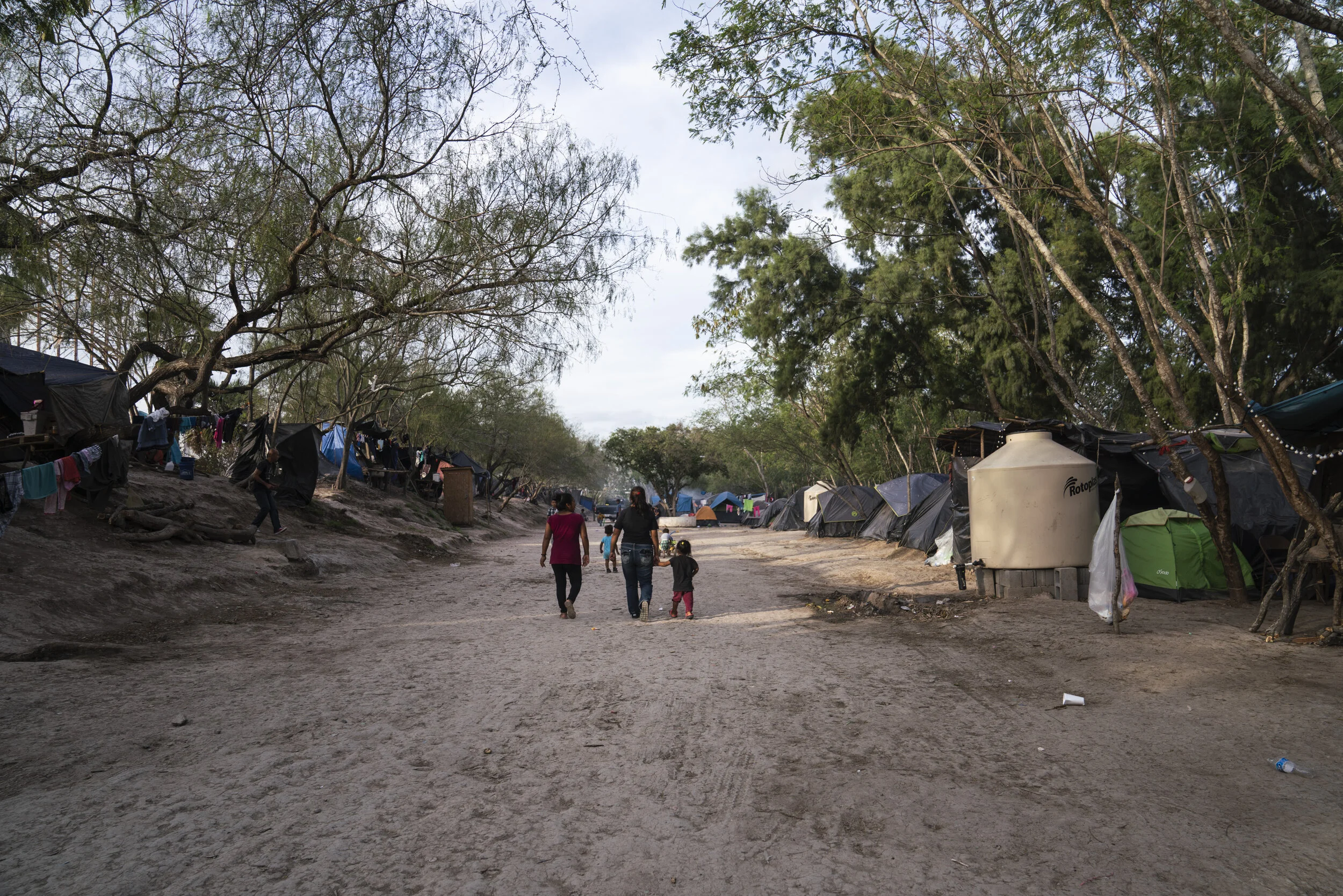
The human cost is staggering. Beyond the immediate casualties of the strikes, the psychological toll on civilians in Tel Aviv, Beirut, and Tehran is creating a generation that only knows the sound of sirens. You can't build a stable region when everyone is living in a bunker.
Why UN Condemnations Feel Different This Time
Critics often dismiss UN statements as "sternly worded letters" that nobody reads. That’s a mistake. Guterres’ recent rhetoric is sharper because the UN is losing its ability to provide aid on the ground. When the US and Israel conduct strikes in areas where humanitarian corridors are supposed to exist, the entire infrastructure of international law breaks.
The Secretary-General's specific focus on "de-escalation" isn't just a buzzword. It’s a plea for survival. The UN's internal reports suggest that if this specific cycle doesn't break within the next thirty days, the displacement of people across the Levant will exceed the numbers seen during the peak of the Syrian Civil War. We’re talking about millions of people with nowhere to go.
Sovereignty is the First Casualty
Every time a missile crosses a border without a declaration of war, the concept of a nation-state gets weaker. Israel argues it’s defending itself against existential threats from Iranian proxies. The US argues it’s protecting global shipping and regional stability. Iran argues it’s responding to illegal aggression against its officials.
Everyone has a justification. Nobody has a solution.
This isn't just a regional spat. It’s an energy crisis waiting to happen. If the strikes move toward the Strait of Hormuz, the price of everything in your grocery cart goes up. Guterres knows this. His warnings are directed as much at Wall Street and the City of London as they are at the generals in the field.
The Proxy War that Outgrew Its Proxies
For decades, the US and Iran fought through others. It was a cold war fought in the shadows of Lebanon, Iraq, and Yemen. That's changed. The strikes we’re seeing now are direct. When Israeli jets hit targets linked to the IRGC, and Iran fires directly from its own soil toward Israeli territory, the "proxy" label is officially obsolete.
This direct confrontation is what makes the current moment so volatile. There’s no buffer. There's no one to blame but the central governments themselves.
The UN’s role has been relegated to that of a witness. Guterres is essentially the only person in the room pointing out that the house is on fire while the occupants are arguing over who spilled the kerosene. He’s calling for an immediate cessation of hostilities, but the political will in Washington, Jerusalem, and Tehran is focused on "victory," a term that has no clear definition in this context.
What Needs to Change Right Now
The world can't afford a wait-and-see approach. Diplomacy is currently being treated as a sign of weakness, but it’s actually the only tool that prevents total regional meltdown.
First, there has to be a return to the "back-channel" communications that kept the Middle East from exploding during the 20th century. Direct lines between military commands are essential to prevent a mistake from turning into a nuclear-adjacent catastrophe.
Second, the international community needs to stop treating these strikes as a spectator sport. Every nation that trades in the region has a stake in this. If the UN Security Council remains paralyzed by the veto power of the permanent members, the General Assembly has to step up and apply collective economic pressure.
If you’re looking for a silver lining, there isn't one right now. The situation is precarious. The most important thing you can do is stay informed through diverse sources and understand that these aren't just headlines—they're the tectonic plates of global security shifting in real-time. Follow the updates from the UN's regional monitors and pay attention to the movement of energy markets. That’s where the real story is written.