The sea does not care about treaties. It cares about wind, depth, and the weight of steel. Yet, for months, the waters of the Black Sea carried something heavier than warships or bulk cargo: they carried the fragile, desperate hunger of millions.
Imagine sitting in a cramped kitchen in Odesa, listening to the dull, rhythmic thud of distant artillery. Outside your window, the harbor cranes stand like rusted skeletons against a pale dawn sky. You are not a diplomat. You are not a general. You are a baker whose flour bags are light, whose costs are tripling, and whose children ask why the bread tastes different now, why it is harder to find, why the world feels like it is shrinking.
Thousands of miles away, in Delhi, officials stare at spreadsheets that look like battle maps. They see wheat futures spiking. They see fertilizer prices climbing like smoke from a burning oil depot. They see inflation eating away at the quiet stability of everyday life. This is where statecraft meets the stomach.
India’s recent diplomatic push regarding the war in Ukraine is often reported in dry dispatches about maritime corridors, energy trade, and strategic neutrality. Analysts use terms like bilateral engagement and diplomatic equilibrium. They miss the human heartbeat underneath. What New Delhi has quietly tried to architect is not just a peace proposal for the evening news bulletins. It is an attempt to secure the three arteries of modern survival: the safety of the Black Sea shipping lanes, the uninterrupted flow of global grain, and the stable delivery of energy that keeps lights on in homes that have nothing to do with the ambitions of presidents.
To understand why this matters, you have to look past the capital cities and down to the ports.
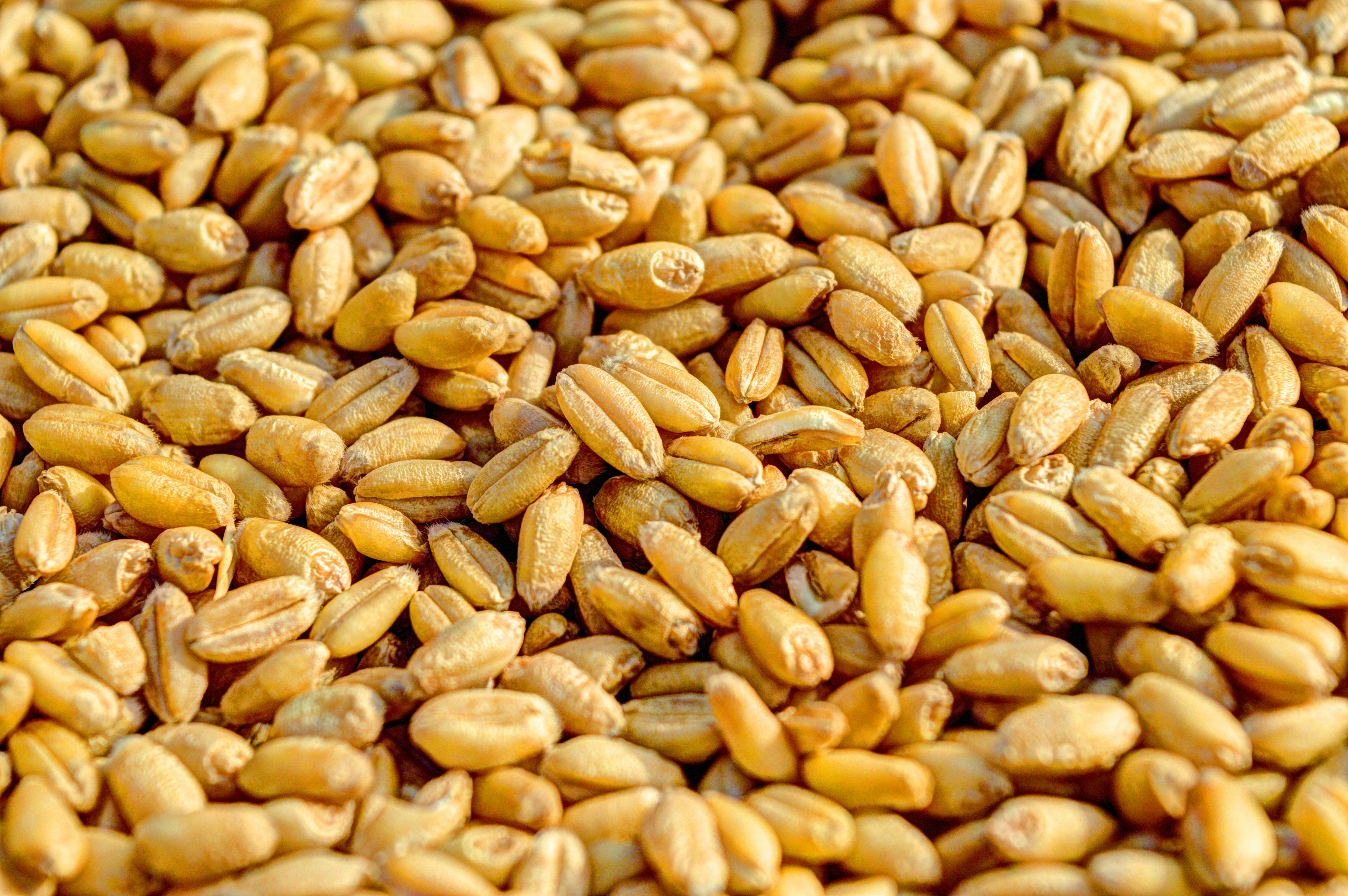
Consider the cargo vessels that sit idle, their crews staring out at mine-strewn waters. For months, getting grain out of Ukrainian silos felt like smuggling contraband across a border of fire. Wheat is not a commodity on a screen; it is flour in a bowl. When the maritime routes choke, the price of a loaf of flatbread in Cairo or Nairobi doubles overnight. People who spend half their income on food suddenly spend all of it. Governments wobble. Riots brew in the damp heat of markets where families bargain for ounces, not pounds.
India’s proposal zeroes in on this vulnerability with surgical calm. By emphasizing Black Sea safety, New Delhi is essentially telling the warring parties a hard truth: you can fight your war on land, but you cannot hold the plates of the world hostage.
There is an art to quiet diplomacy. It is rarely loud. It does not involve grand summits with flashing cameras or fiery ultimatums delivered from podiums. It looks like a lone ambassador sitting across a mahogany table in a high-security office, speaking in a low, measured voice, reminding both sides of the collateral damage they leave in their wake. India has maintained a notoriously delicate balancing act since the invasion began. Critics call it fence-sitting. Practitioners call it survival. When you import the majority of your defense equipment from one partner and a vast share of your discounted crude oil from another, you do not throw stones from a glass house. You build bridges.
And that is precisely what the energy component of this proposal represents.
Energy is invisible until it vanishes. It is the hum of a hospital refrigerator holding vaccines. It is the diesel powering the tractor that harvests the next crop. When global energy markets fracture under sanctions and retaliatory embargoes, the shockwaves hit the poorest nations first. India knows this intimately. A nation of over a billion people cannot afford a runaway energy crisis without plunging millions back into the shadows of poverty.
So, when Indian diplomats table discussions focused on energy security alongside grain corridors, they are acting out of enlightened self-interest, yes, but also out of practical necessity. If the Black Sea remains a shooting gallery, insurance rates for cargo ships skyrocket. If insurance skyrockets, shipping halts. If shipping halts, the global economy stumbles.
We forget how thin the margin is between order and chaos.
A single dry-bulk carrier slipping safely out of Chornomorsk with twenty thousand tons of corn is not just an economic transaction. It is a small, quiet victory against entropy. It means a warehouse in North Africa gets restocked. It means a family somewhere in the global south eats dinner without calculating whether they can afford tomorrow’s breakfast.
The diplomats in Delhi understand that neither Moscow nor Kyiv is ready to sit down for a grand, celebratory peace treaty. Total victory is an intoxicating illusion that both sides cling to. But wars of attrition eventually starve themselves out. They run on money, fuel, and exhaustion. By focusing on the mechanics of survival—grain, energy, maritime corridors—India is carving out the only kind of peace that ever works initially: a transactional cease-fire of convenience that eventually becomes too valuable to break.
History is rarely changed by a single stroke of a pen. More often, it is nudged forward by stubborn persistence, by nations refusing to accept that starvation and darkness are the inevitable costs of other people's conflicts.
Down in the Odesa harbor, the cranes are still rusting. The distant artillery still thuds against the damp morning air. But somewhere out past the breakwater, through the fog and the mines and the diplomatic wire-pulling, a ship cuts a clean, white line through the dark water, heavy with grain, moving steadily toward the open sea.



