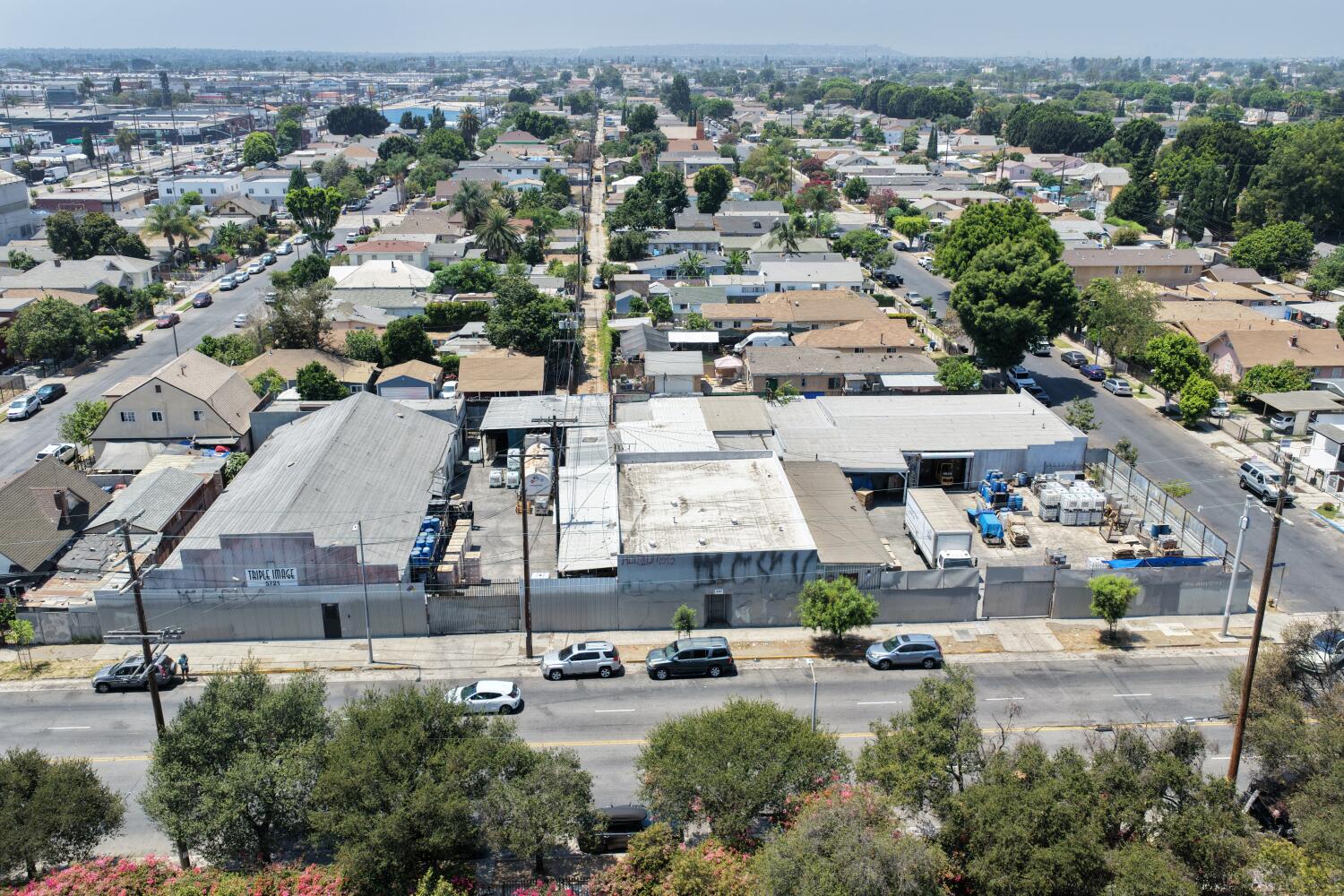
Morning in South Los Angeles usually arrives with a familiar soundtrack. The distant hum of the I-10 freeway. The clatter of metal gates sliding open at the corner bodega. The sharp, sweet scent of morning traffic mixing with the dry Southern California heat. For years, though, families living near the Exide Technologies battery recycling plant in Vernon woke up to something else entirely. An invisible weight in the air. A quiet, persistent worry that didn't show up on any weather report.
Consider what happens when a neighborhood becomes a silent archive of industrial waste.
Lead dust does not announce itself. It does not flash warning lights or smell like sulfur. It settles. It settles on playground slides where toddlers grip the cold iron rails. It settles on front porch welcome mats. It drifts through open kitchen windows while dinner is simmering on the stove.
To understand the reality of living in the shadow of a contaminated site, you have to throw away abstract statistics and look at the soil itself. Scientists measure contamination in parts per million. Parents measure it in sleepless nights.
For decades, the Exide facility operated under a cloud of temporary permits and regulatory loopholes. It recycled millions of car batteries, melting down lead and plastic in a process that released toxic byproducts into the surrounding air and soil. While the plant processed the heavy metal that kept modern transportation moving, the surrounding community absorbed the collateral damage.
Blood tests tell a devastating story. Lead is a neurotoxin that treats the human body like an open invitation. In children, it mimics calcium, slipping into developing bones and brains where it quietly disrupts learning, behavior, and physical growth. There is no safe blood lead level. Yet for years, families in South L.A., Boyle Heights, and surrounding neighborhoods lived yards away from an accumulation of toxic fallout that state regulators struggled to adequately contain or clean.
Then came the turning point.
The state cleanup order did not drop out of a clear blue sky. It was forged out of relentless pressure from community organizers, grassroots activists, and residents who refused to let their zip code dictate their right to clean air and untainted dirt. People who stood at microphone after microphone during tense public hearings, holding up test results from their own yards, demanding to know why their children were playing on top of heavy metals.
Justice, it turns out, moves at the speed of bureaucracy, while poison moves at the speed of the wind.
When authorities finally forced the comprehensive cleanup of the Exide site and the thousands of surrounding residential properties, the operation was staggering in scale. This was not a matter of sweeping the porch. Crews had to excavate topsoil from hundreds of homes, foot by foot, yard by yard, replacing contaminated earth with clean dirt. They had to scrub interior walls, HEPA-vacuum living rooms, and dismantle the industrial machinery that had churned out decades of particulate pollution.
But scraping away the dirt does not automatically erase the trauma.
Walk down these streets today and you will see signs of renewal, alongside lingering caution. Families still check the news for updates on soil testing. Gardeners build raised beds and fill them with imported soil, refusing to trust the ground straight out of the earth. The landscape has changed, but the collective memory remains sharp.
We learn early on to trust our senses. We believe that if the sky looks blue and the water runs clear, everything is fine. The South L.A. battery plant crisis shattered that illusion. It forced an entire community to look past the surface and confront the hidden costs of modern convenience. Every battery that powered a vehicle, every backup system that kept a server farm humming, left a microscopic footprint in a neighborhood thousands of miles away from the boardroom where profits were counted.
The state order was a victory, but it is also a permanent reminder.
Clean air and safe soil are not luxuries reserved for the affluent. They are the baseline of human dignity. As the last trucks roll away from the remediated sites and new grass takes root in freshly laid earth, the neighborhood breathes a little easier. Yet the wind still blows off the Pacific, rustling the jacaranda trees, carrying memories of what happens when we forget to look down at the ground we share.


