Fear has a very specific sound in a commercial cabin. It is not the sudden scream of a movie scene. It is the synchronized drop of tray tables, the collective intake of breath, and the sudden, heavy silence that blankets two hundred strangers hurtling through the stratosphere at five hundred miles per hour.
When things go sideways in the clouds, passengers do not see the instruments. They do not know the aerodynamics of crosswinds or the intricate ballet of hydraulic lines running through the wings. They look at the flight deck door. They look at the cabin crew. And, above all, they look for calm in eyes that have seen the storm before.
Think about what it takes to sit in that left seat.
For the average traveler, flying is a quiet exercise in surrender. We strap ourselves into molded plastic seats, plug our headphones into glowing screens, and hand over the entirety of our earthly existence to a person we will never meet, whose face we will never clearly see. We trust a total stranger with our lives, our families, and our safe arrival.
That trust is rarely examined until it is tested.
Consider the ordinary weight carried by an airline captain. It is midnight over the Arabian Gulf. The cabin lights are dimmed to a soft, amber glow. Dozens of sleeping passengers drift above the dark, indifferent sea. Up front, the instrument panel casts a pale green and blue luminescence across two focused faces. Every switch, every gauge, every flicker of data represents a calculation of survival.
Then, the unexpected happens. A medical emergency. A sudden technical fault. A meteorological anomaly that refuses to appear on the weather radar.
In that fraction of a second, panic is a luxury no one on the flight deck can afford.
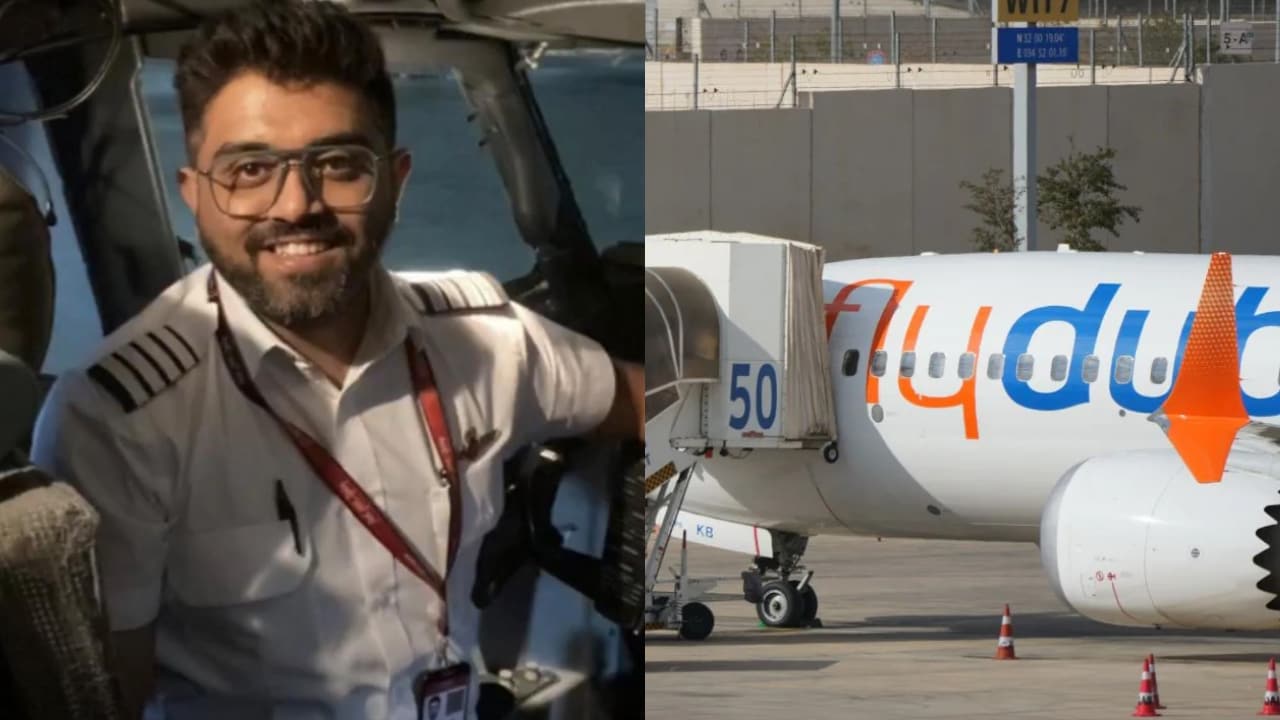
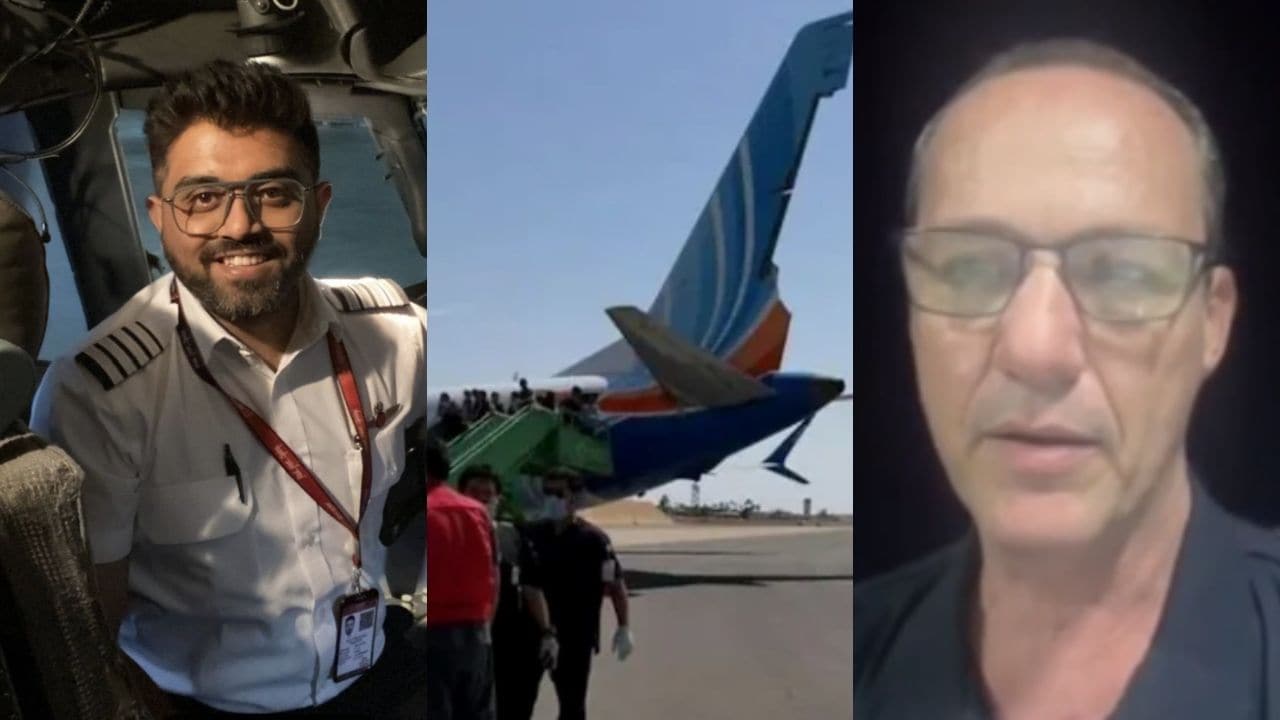
This was the exact crucible faced by a flight operated by flydubai, carrying passengers whose journeys intersected with the quiet, steadfast professionalism of an Indian pilot at the controls. Journeys that could have ended in chaos instead found a steady harbor, navigated by hands trained to find clarity in the dark.
After the flight touched down safely, breathing a collective sigh of relief into the terminal corridor, an unusual thing happened. The son of one of the passengers did not just collect his bags and walk away. He felt a compulsion to speak. To name the unnamed. To look past the corporate logo of the airline and the steel hull of the aircraft and acknowledge the human being who had kept his parent safe.
He called the pilot "one of your best people."
It is a striking phrase. Not because excellence is rare in aviation—millions of flights land safely every single day, a quiet testament to global engineering and rigorous training—but because excellence is so often invisible. We notice the pilot only when the turbulence rattles our coffee cups. We remember the captain only when a delay disrupts our dinner plans. When everything goes right, the machinery of modern travel feels entirely automated, as if the plane flew itself and the human beings up front were merely expensive passengers with a better view.
Except they are not.
Behind every smooth landing is a lifetime of deferred gratification. Thousands of hours spent in windowless simulators failing engine-out scenarios until the correct response becomes muscle memory. Christened by cold sweat, endless studying, and the quiet sacrifice of missed birthdays, anniversaries, and family dinners.
When a pilot steps onto the flight deck, they bring every single one of those unseen hours with them.
The passenger’s son understood this. He understood that the smooth descent through the clouds was not an accident of physics, but the deliberate, calculated outcome of a human will refusing to panic. He saw the face behind the uniform. He recognized that when his parent stepped off that aircraft, they were stepping back into a life that could have been abruptly cut short if not for the steady temperament of the person steering the column.
We live in an age that loves to glorify technology. We talk endlessly about algorithms, automation, and the eventual obsolescence of the human touch. We build machines to drive our cars, write our emails, and chart our financial futures.
Yet, when the sky turns violent, nobody prays to an algorithm.
We look for a human heart. We look for someone who knows what fear is, who feels the same pulse of survival, and who chooses, with absolute clarity, to master it.
The aviation industry measures success in statistics. On-time performance, fuel burn, load factors, accident rates per million departures. But these numbers are cold comfort to a son or daughter waiting at the arrival gate. They do not care about the fleet average. They care about one person. Their person.
And that is why the praise matters. It bridges the chasm between corporate metrics and human reality. It reminds us that behind the multi-billion-dollar aviation sector are individuals who wake up early, drink too much stale coffee, check their checklists twice, and carry the weight of strangers across oceans.
The flight ended as thousands do every day. The wheels kissed the tarmac. The reverse thrusters roared, slowing the massive kinetic energy of the jet to a gentle crawl. The seatbelt signs chimed off, and the cabin erupted into the familiar rustle of coats, bags, and uncoiling limbs.
People stood up, eager to reclaim their lives, rushing toward taxis and waiting families, mostly oblivious to the quiet hand that had just guided them through the invisible dangers of the sky.
Up front, the checklists were run. The engines spooled down. The flight deck grew quiet.
Somewhere out there in the terminal, a son looked back at the aircraft, shook his head in silent gratitude, and realized just how fragile, and how precious, an ordinary landing really is.