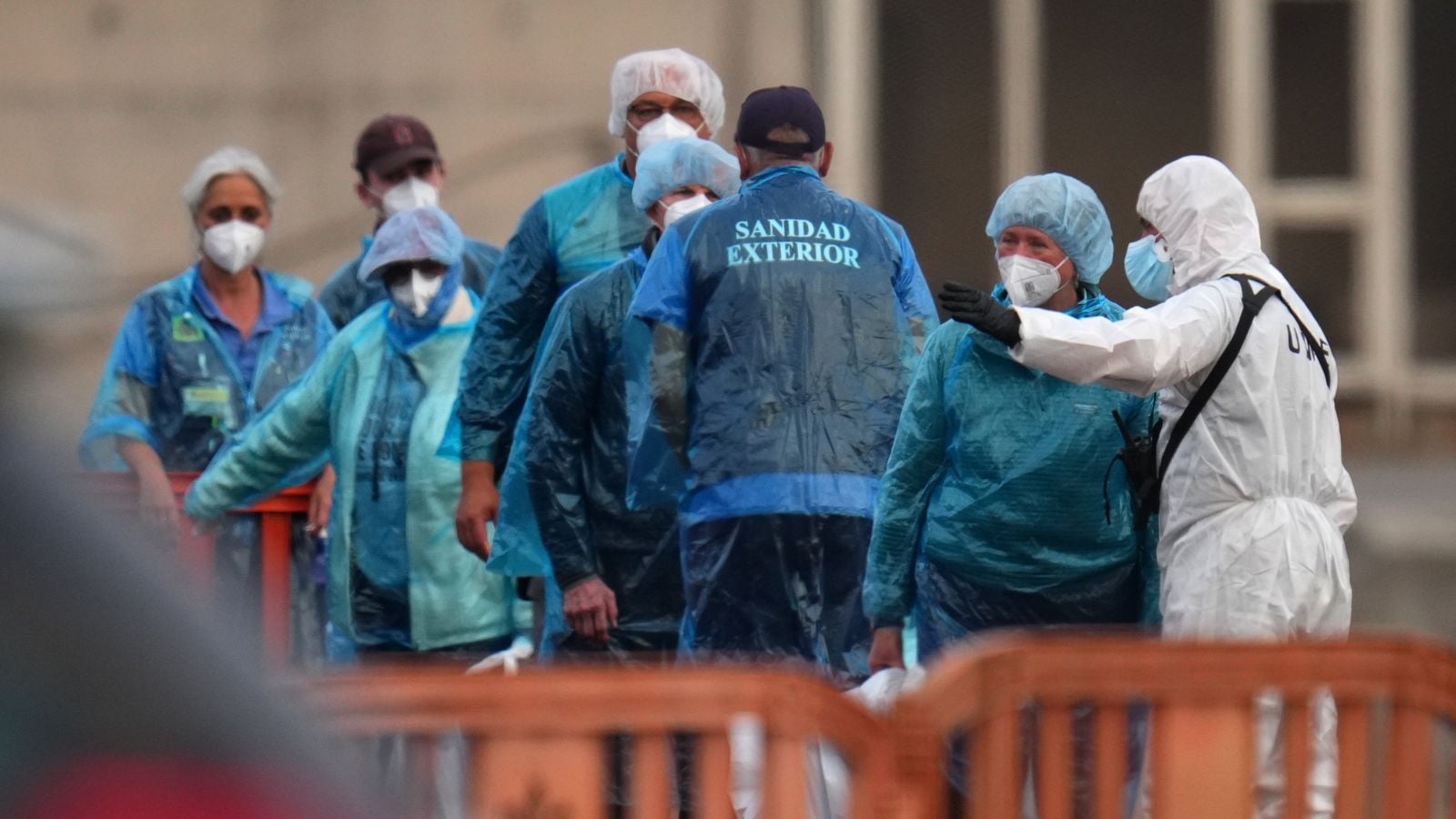
Survival isn't just about breathing again. When a patient contracts Hantavirus, specifically the Hantavirus Pulmonary Syndrome (HPS) variant found in the Americas, the medical focus is understandably on the lungs. We see fluid filling the chest, oxygen levels dropping like a stone, and a heart struggling to pump against a tide of inflammation. Doctors rush to intubate. They hook up ECMO machines. They fight for the body. But once the crisis passes and the tubes come out, the patient is often left in a psychological wasteland that medicine barely acknowledges.
Hantavirus isn't your average respiratory bug. It's a violent, high-mortality event that often strikes young, healthy people out of nowhere. One day you’re cleaning out a shed or hiking; a week later, you’re drowning in your own fluids. The trauma of that experience doesn't just vanish because your chest X-ray cleared up. We need to stop treating the viral clearance as the end of the journey. Discover more on a similar issue: this related article.
The Psychological Scarring of Hantavirus
Most HPS survivors describe a specific type of terror. Because the disease progresses so fast—sometimes from a "flu" to near-death in 24 hours—the brain doesn't have time to process the threat. You’re essentially experiencing a high-speed car crash that lasts for ten days.
Research into post-intensive care syndrome (PICS) shows that up to 50% of people who survive a critical illness develop anxiety, depression, or PTSD. With Hantavirus, that number feels even higher because of the isolation. You're often in a specialized unit. Your family is behind glass or in hazmat gear. You are, quite literally, treated like a biohazard. Further analysis by National Institutes of Health explores similar perspectives on this issue.
Doctors who specialize in the psychiatric aftermath of infectious diseases, like those at the University of New Mexico—a global hub for Hantavirus research—have found that the "survivor guilt" is immense. Often, the patient was the one who decided to clean the garage or move the woodpile where the deer mice were nesting. They blame themselves for an accidental encounter with a microscopic virus. If we don't address that guilt, the physical recovery will always be stunted.
Why We Forget the Mind in the ICU
Medical training is built on a hierarchy of needs. Airway, breathing, and circulation come first. If you can't breathe, your "feelings" about the ventilator don't matter in the moment. That's the cold reality of emergency medicine.
However, the handoff from the intensivist to the primary care doctor is where the ball gets dropped. The ICU team is happy because you lived. The primary care doctor is happy because your kidney function is back to normal. Nobody asks, "Do you have nightmares about the sound of the ventilator alarm?" or "Are you afraid to go back into your backyard?"
We need to integrate mental health experts into the infectious disease team from day one. Not as a "consult" after things go wrong, but as a standard part of the protocol. This isn't just about being "nice." It’s about clinical outcomes. Stress increases cortisol. High cortisol impairs the immune system and slows tissue repair. If you want the lungs to heal, you have to calm the brain.
The Mystery of the Rodent Vector
You probably know that deer mice (Peromyscus maniculatus) are the primary carriers in the Western US. They don't get sick from the virus; they just shed it in their urine and droppings. When you sweep up a dusty area, you aerosolize those particles. You breathe them in.
What people don't talk about is the long-term hypervigilance this creates. I've talked to survivors who became obsessed with "rodent-proofing" their lives to the point of clinical OCD. They can't look at a cardboard box without wondering if a mouse touched it. This is a direct result of the sudden, invisible nature of the infection. Dealing with this requires specific cognitive behavioral therapy (CBT) that addresses the trauma of "invisible threats."
Managing the Long Haul
Recovery isn't a straight line. Many HPS survivors report fatigue and shortness of breath for months or even years. This is often labeled as "residual lung damage," but there’s a massive overlap with the physical symptoms of chronic anxiety.
If a patient feels a slight tightness in their chest—maybe just from a common cold—their brain immediately goes back to the ICU. They think the Hantavirus is back, even though you can't really "relapse" in that way. This "body scanning" behavior keeps the nervous system in a state of fight-or-flight.
- Acknowledge the Trauma: Stop telling patients they are "lucky to be alive" as a way to dismiss their fear. They know they're lucky. They’re also terrified.
- Screen for PICS: Every Hantavirus survivor should be screened for Post-Intensive Care Syndrome at the 3-month and 6-month marks.
- Peer Support: Connect survivors. Because Hantavirus is relatively rare (only about 600–800 cases documented in the US since 1993), survivors often feel like they’re the only ones who have gone through this specific hell.
Changing the Protocol for 2026
We have the technology to save the body from Hantavirus. Our ECMO protocols are better than ever. Our fluid management is precise. But our "human" protocol is stuck in the 1990s.
A doctor’s job shouldn't end when the viral load is undetectable. We have to treat the person who lived through the trauma, not just the biological host of the virus. This means social workers and psychologists need to be in the room during the recovery phase, helping the patient re-frame their experience from "I was attacked" to "I am resilient."
If you’re a survivor, stop waiting for your doctor to ask how your head is doing. They might not. You have to bring it up. Tell them you aren't sleeping. Tell them you're afraid of the shed. Physical health is the foundation, but mental health is the house you actually have to live in.
Seal up the cracks in your home using steel wool and caulk. Wear a respirator and use bleach solution if you must clean a suspect area. But if the worst happens and you find yourself in a hospital bed, demand the care that goes beyond the pulse oximeter. Your mind deserves the same life-saving intervention your lungs received.