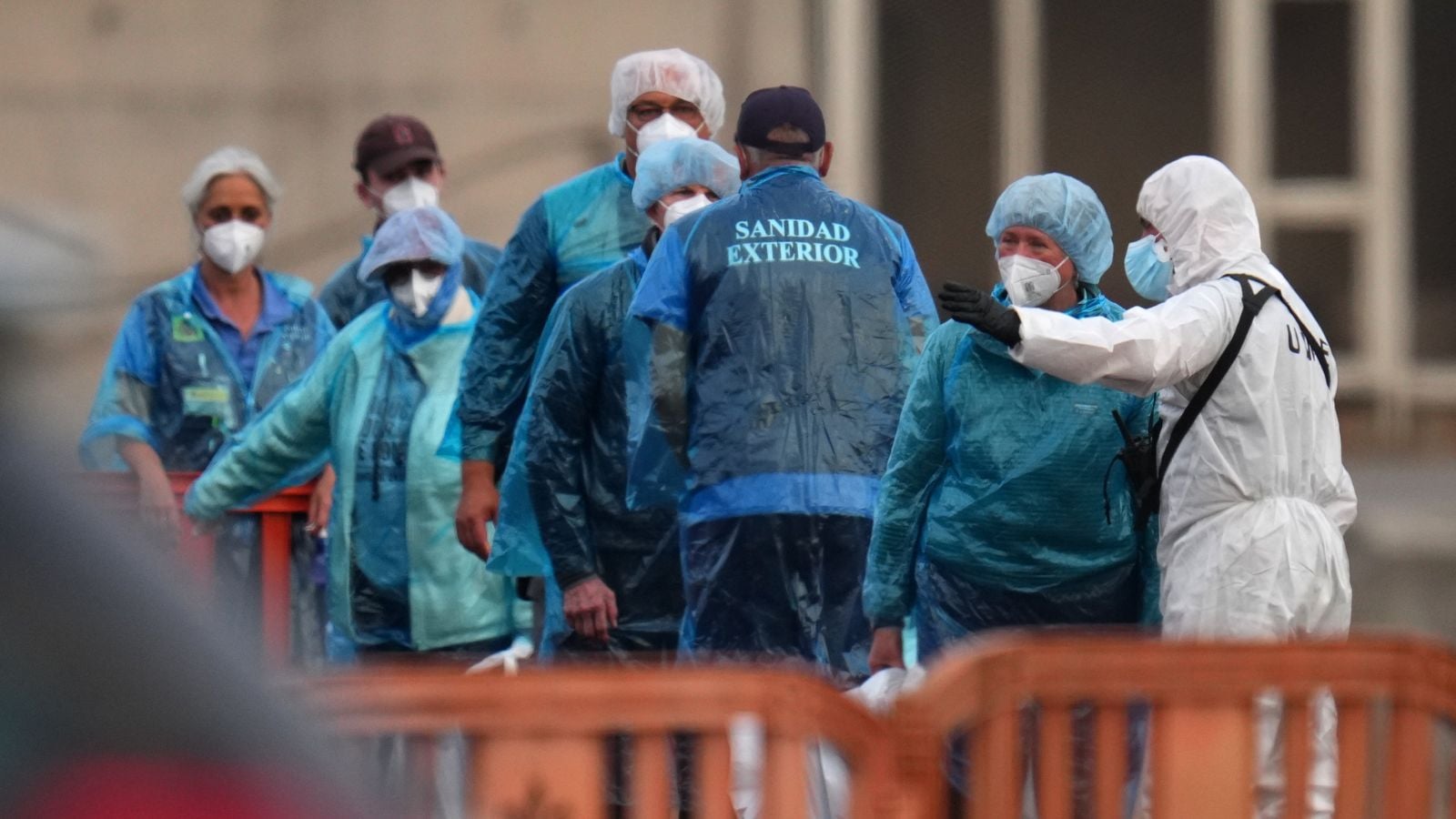
Two more cruise ship passengers just tested positive for hantavirus, and honestly, the headlines are making people panic for all the wrong reasons. While it’s easy to get swept up in the drama of a "virus at sea," you’ve got to look at the facts before you cancel your next vacation. This isn’t a repeat of 2020. It’s a very specific health issue tied to rodent exposure, and it’s time to get real about how it actually spreads and what the risks are when you’re out on the water.
Hantavirus isn't a single thing. It’s a family of viruses mostly carried by rodents like deer mice, white-footed mice, and rice rats. In North and South America, it can lead to Hantavirus Pulmonary Syndrome (HPS). This is a severe, sometimes fatal respiratory disease. The recent cases on these vessels have raised eyebrows because ships are supposed to be controlled environments. But rodents are resourceful. They hitch rides on cargo, luggage, or even through port facilities. When two more people turn up sick, it tells us that the sanitation protocols missed a spot. Recently making news in related news: Viral Containment Economics and the Epidemiological Logic of Cruise Ship Evacuations.
How the Infection Actually Happens
Most people think you get sick by getting bitten. That’s rarely the case. You catch hantavirus by breathing in "misted" virus that comes from rodent urine, droppings, or nesting materials. This process is called aerosolization. If a mouse nest is tucked away in a ventilation duct or a storage locker and someone disturbs it, the virus becomes airborne.
You’re basically breathing in dried mouse waste. It sounds disgusting because it is. On a cruise ship, where thousands of people share a closed ventilation system, the concern is obvious. However, hantavirus doesn't usually spread from person to person. That’s a massive distinction. You won't catch it because the guy at the buffet sneezed on you. You catch it because you were in a space where rodents lived. More insights into this topic are explored by Everyday Health.
Symptoms That Mimic the Flu
Early symptoms are tricky. They look like everything else. You’ll feel fatigued, have a fever, and experience muscle aches, particularly in the thighs, hips, and back. Some people get headaches or feel dizzy. Because these look like the common flu or even seasickness, many passengers ignore them until it’s too late.
About four to ten days after that initial phase, the real trouble starts. The "late symptoms" include coughing and shortness of breath as the lungs fill with fluid. At this point, it feels like a tight band around your chest or a pillow over your face. This is a medical emergency. If you've been on a ship and feel like you can't catch your breath, you don't wait. You go to the ER.
Why Ships Are Vulnerable Right Now
Cruise lines pride themselves on cleanliness, but the logistics of a modern mega-ship are a nightmare for pest control. These vessels are floating cities. They take on massive amounts of food and supplies at every port. A single crate of produce from a region with a high rodent population can introduce a problem.
The two recent cases suggest a localized exposure. It’s likely these passengers were in the same area or perhaps stayed in cabins served by the same air handling unit that had been compromised. Cruise ships have been sitting in "warm layup" or moving through various tropical ports where these rodents thrive. It only takes one infected mouse to shed enough virus to make a person critically ill.
The Problem With Port Inspections
Health inspectors do their best, but they can't see behind every bulkhead. The CDC’s Vessel Sanitation Program (VSP) conducts unannounced inspections, and while scores are usually high, they focus heavily on food prep and pool hygiene. Rodent control is part of it, but "vermin proofing" a ship is nearly impossible. Small gaps in cable runs or piping allow mice to move between decks unseen.
When we see a cluster of cases like this, it points to a failure in the integrated pest management system. It’s not just about setting traps. It’s about sealing the ship so rodents can't get in during loading.
Misconceptions About Hantavirus
People are comparing this to Norovirus. Stop. Norovirus is the "stomach flu" that spreads like wildfire through touch and contaminated food. It’s miserable but rarely kills healthy adults. Hantavirus is different. It has a mortality rate of around 38%. It’s way more dangerous but far less contagious.
Another myth is that you only get it in "dirty" places. That’s a lie. Rodents seek shelter and food. They don't care if a cabin costs $500 or $5,000 a night. If there’s a way in, they’ll take it. The "two more passengers" headline shouldn't make you think the ship is a dumpster. It should make you think about the specific environmental risks of coastal travel.
Protecting Yourself on Your Next Trip
You don't need to wear a hazmat suit to the Lido deck. But you should be smart. If you enter your cabin and see anything resembling droppings, don't touch them. Don't try to clean them up with a tissue. Call the cabin steward and demand a move.
The biggest risk is in confined, dusty spaces. If you’re exploring older parts of a ship or taking an excursion into rural port areas, stay away from old sheds or woodpiles. These are prime hantavirus real estate.
What the Cruise Lines Aren't Telling You
They want you to think everything is fine. They’ll point to their high VSP scores. But the reality is that the industry is under pressure to turn ships around fast. Faster turnarounds mean less time for deep cleaning of non-public spaces. These "behind the scenes" areas are where the virus usually lingers.
If you’re traveling soon, check the recent inspection history of your specific ship. The CDC keeps a public database. If a ship has a history of "insect or rodent activity" in its reports, maybe think twice. It’s your health on the line.
Take Action if You Feel Sick
Don't be a hero. If you develop a fever after a cruise, tell your doctor exactly where you were. Most physicians don't see hantavirus often. They won't look for it unless you mention the cruise and the potential for rodent exposure. Early detection and "supportive therapy"—basically helping you breathe while your body fights the virus—are the only ways to survive a severe case.
There’s no vaccine. There’s no specific cure. There’s only your immune system and a ventilator if things go south.
Keep your luggage closed. Don't leave snacks out in your cabin. Use the safe for your food if you have to. It sounds paranoid, but in a world where two more passengers just got hit with a life-threatening virus, being a little bit careful is just common sense.
Watch the news for updates on the specific ship involved. If the cruise line hasn't grounded the vessel for a professional "gas-off" or deep sanitation of the vents, the risk remains. Demand transparency from the operators. You're paying for a vacation, not a respiratory crisis.