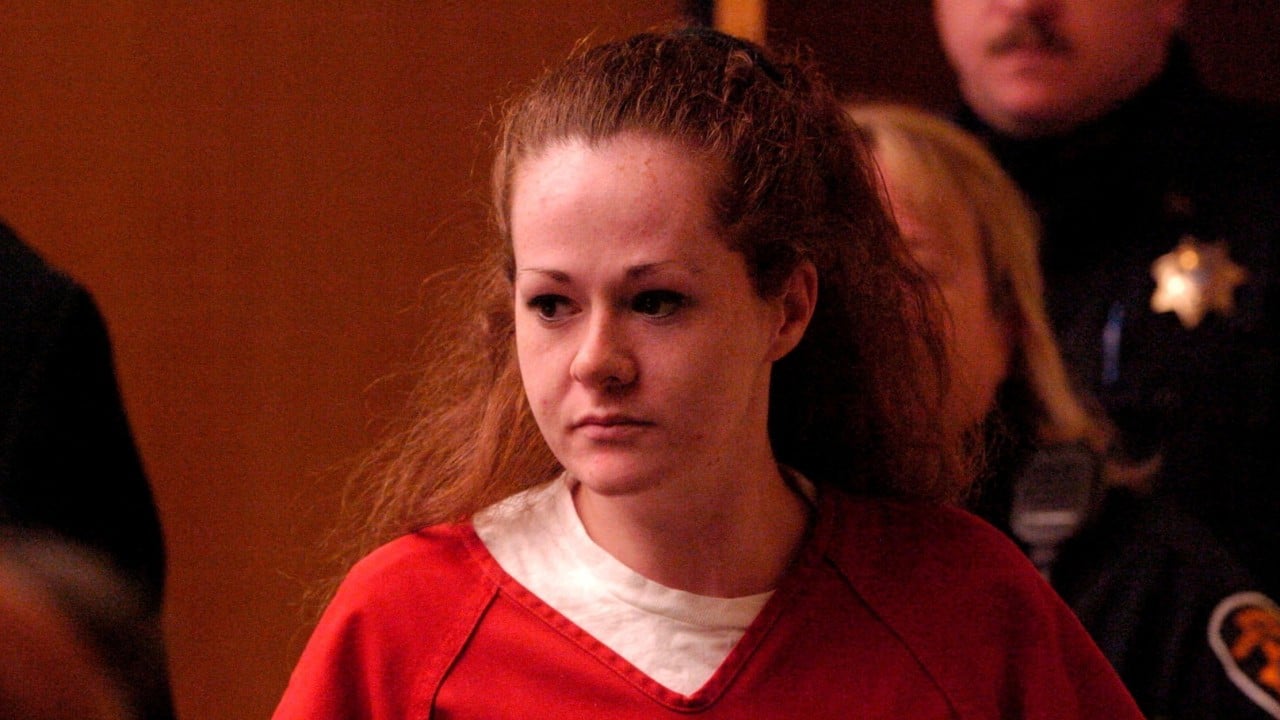
The machinery of capital punishment doesn't often stutter out loud. When it does, the public fallout forces an uncomfortable spotlight onto rooms most citizens never see. Christa Pike is currently walking with help and eating again, but her recovery follows a terrifying ordeal that exposed glaring cracks inside Tennessee's corrections system.
Lawyers for Pike shared updates on her physical state after she survived a botched lethal injection attempt at Riverbend Maximum Security Institution. The procedure, carried out using pentobarbital, went disastrously wrong from the start. Witnesses watched as execution teams struggled for over an hour to establish viable intravenous lines, resorting to multiple needle punctures while warnings echoed that her fragile veins might fail. What followed was a prolonged sequence of distress that left legal teams scrambling to file emergency stay motions while the state's protocol stalled. For a deeper dive into similar topics, we recommend: this related article.
The Reality of Recovery Behind Bars
Surviving an execution attempt leaves deep physical and psychological scars. Pike spent weeks recovering from severe arm trauma where drugs reportedly pooled rather than entering her bloodstream properly, leaving her limbs burned and blistered. Transitioning from intensive medical observation back to the Deborah K. Johnson Rehabilitation Center meant facing a grim reality. While she is slowly regaining basic mobility with assistance and managing to eat on her own, medical experts and defense attorneys remain vocal about the long-term unknowns.
The physical toll is only part of the story. Pike dictated statements describing waking up alone in a hospital room, confused, isolated, and enduring chronic pain ever since the failed procedure. For legal teams and human rights advocates, her survival transforms a standard capital case into a profound constitutional debate over cruel and unusual punishment. To get more context on this development, in-depth reporting can be read on Associated Press.
The Scrutiny Facing State Protocols
Tennessee's Department of Correction faced immediate pressure following the incident. Governor Bill Lee ordered an independent third-party review and halted remaining execution schedules while questions mounted regarding the medical team's execution protocol. Critics and legal analysts point out that state secrecy laws surrounding drug acquisition and medical executioners create a dangerous breeding ground for error. When transparency vanishes, procedural mistakes multiply.
The state's attempts to block defense attorneys from independently testing the remaining lethal injection drugs have only intensified the legal battle. Courts ordered evidence preservation, yet transparency remains heavily contested. Meanwhile, prison officials have shuffled leadership, including the resignation of the state's top corrections official as public outrage reached a boiling point.
Legal Battles and Calls for Clemency
Pike's original conviction stems from a 1995 Knoxville murder committed when she was just eighteen years old. For three decades, she sat on death row as the only woman under a death sentence in Tennessee. Now, her legal team is pushing hard for Governor Lee to commute her sentence to life without parole. They argue that subjecting a human being to a second execution attempt after surviving a botched procedure crosses an ethical boundary that no civilized justice system should breach.
The broader conversation around capital punishment often bogs down in abstract moral arguments. But cases like this drag the reality into the harsh light of day. When execution protocols fail, the state isn't just administering a sentence; it's stumbling through a medical procedure that exposes the limits of state-sanctioned lethal force. Legal maneuvers will grind on through state and federal courts, but the immediate future of Christa Pike hinges entirely on whether political leadership chooses mercy over repetition.