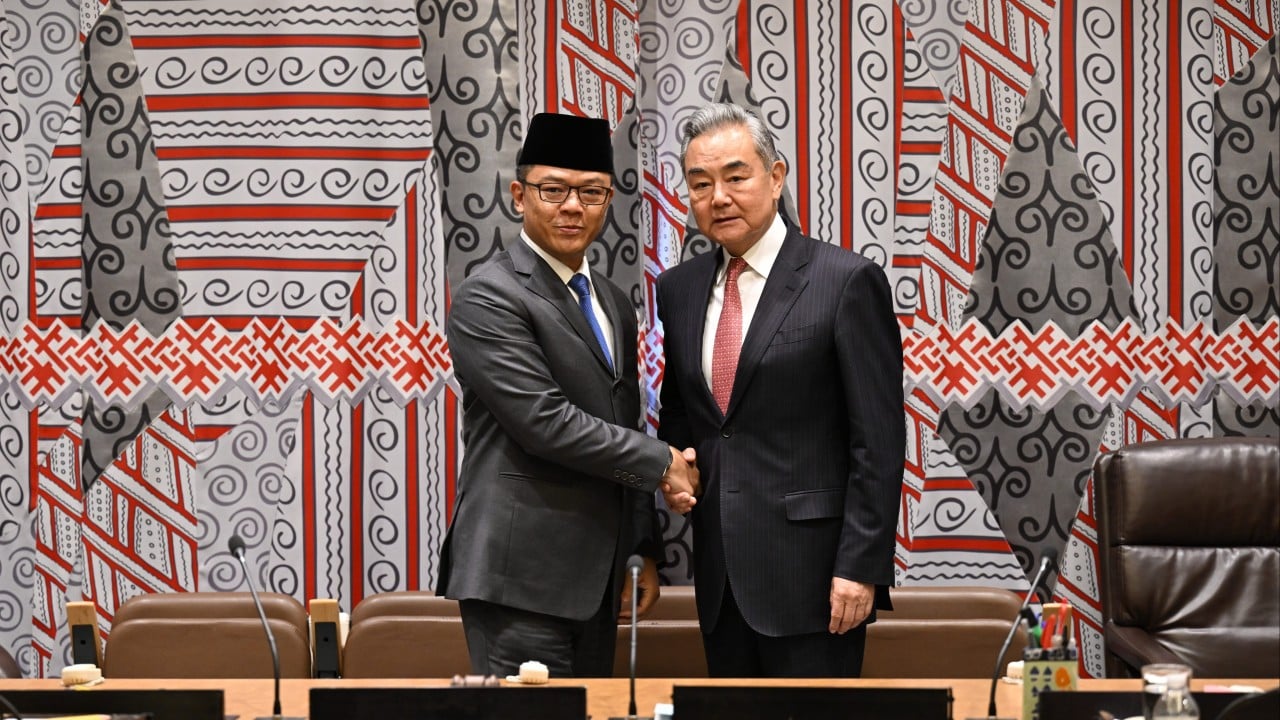
To turn economic momentum into a stable long-term alliance, China and Indonesia must address structural imbalances that threaten their economic ties. While bilateral trade and Chinese capital investments in Indonesian infrastructure have surged, friction points remain severe. Environmental degradation around nickel processing hubs, labor disputes involving foreign workers, and unresolved maritime friction in the Natuna Sea expose vulnerabilities underneath the diplomatic handshakes. A durable relationship requires concrete policy changes rather than political photo operations, specifically through genuine technology transfers, environmental accountability, and balanced trade terms that benefit local communities.
Beyond the Jakarta Bandung Railway
The flagship Whoosh high-speed rail line serves as the primary symbol of bilateral cooperation between Beijing and Jakarta. Construction delays doubled initial budget estimates, forcing state enterprises to absorb unexpected debt loads. Yet the train operates daily, carrying thousands of passengers between Jakarta and Bandung while cutting travel time from three hours to forty-five minutes.
Symbolic achievements do not guarantee lasting diplomatic stability. Beneath the glossy exterior of infrastructure projects lies a complex web of financial exposure. Indonesian state-owned enterprises took on heavy debt obligations to complete the project, leaving taxpayers exposed to interest fluctuations and operational deficits. Beijing secured a major strategic win by outbidding regional competitors, but the long-term viability of these capital transfers depends on whether local supply chains can absorb the benefits.
The Cost of Raw Industrial Growth
Indonesia holds the world's largest nickel reserves. Chinese mining companies moved swiftly to capitalize on Jakarta's raw ore export ban by constructing massive smelting facilities across Sulawesi and Maluku. These industrial complexes transformed Indonesia into the dominant producer of refined nickel for electric vehicle batteries worldwide.
The speed of this transformation created significant environmental and regulatory blind spots. Waste run-off from high-pressure acid leach plants threatens marine ecosystems in coastal regions where fishing communities depend on clean water for survival. Deforestation rates near mining concessions have climbed, triggering floods and landslides that destroy surrounding farmland. Beijing-backed entities often prioritize rapid construction and output over local environmental compliance, creating tension with provincial authorities and civil society groups.
Suppose an Indonesian province hosts a multi-billion dollar industrial park funded by foreign capital. While national GDP figures increase due to refined exports, the immediate community faces rising food prices, polluted rivers, and limited access to skilled positions. This hypothetical scenario reflects the exact fault line running through resource-rich provinces today. Economic statistics look impressive in Jakarta, but rural populations carry the industrial burden without receiving proportional benefits.
Labor Friction and Local Resentment
Employment conditions within foreign-operated industrial zones remain a flashpoint for domestic anger. Indonesian labor regulations require foreign entities to prioritize local hiring and transfer technical skills to native workers. In practice, specialized technical roles and managerial positions frequently go to Chinese expatriates.
This hiring practice creates dual-tier work environments that fuel xenophobic narratives and social unrest. Fatal industrial accidents at major processing facilities have drawn intense scrutiny from local trade unions and parliament members. Workers report inadequate safety protocols, language barriers that hamper emergency communication, and stark pay disparities between domestic and foreign staff. Jakarta cannot ignore these domestic political risks, especially during election cycles when candidates exploit anti-foreign sentiment for political gain.
To fix this divide, foreign investors must institute mandatory apprenticeship programs that train Indonesian engineers to assume leadership roles within defined timelines. Transparency in safety reporting and equal treatment under local labor laws are not negotiable concessions. They are essential prerequisites for maintaining social stability around industrial zones.
Navigating Maritime Boundaries and Sovereignty
Geopolitical reality regularly intrudes on economic collaboration. China claims expansive sovereign rights over vast swathes of the South China Sea through its traditional maritime boundaries, which overlap with Indonesia's Exclusive Economic Zone off the Natuna Islands.
Jakarta maintains a non-claimant position in the broader South China Sea dispute, yet Chinese coast guard vessels frequently escort fishing fleets into Indonesian waters. These incursions trigger diplomatic protests and military deployments from Jakarta, reminding policy makers that economic interdependence does not erase territorial anxiety. Indonesia continues to strengthen its naval defenses and expand joint military exercises with regional partners to balance its external relationships.
Beijing must recognize that aggressive maritime posture directly undercuts its economic overtures. Coercive tactics in the Natuna Sea force Indonesian defense officials to view foreign capital through a national security lens. A stable partnership requires clear respect for international maritime conventions, including the United Nations Convention on the Law of the Sea.
Building a Real Economic Equilibrium
Trade relations between the two nations remain heavily asymmetric. Indonesia exports primary commodities such as nickel, coal, and palm oil, while importing high-value manufactured goods, electronics, and heavy machinery from Chinese factories.
This structural trade deficit drains foreign exchange reserves and keeps local manufacturing sectors in lower-tier supply roles. Jakarta wants to break the traditional post-colonial pattern of exporting raw materials and importing finished goods. If foreign capital only extracts resources without building advanced domestic manufacturing capabilities, the partnership will eventually face political backlash from Indonesian industrialists and political leaders.
Strategic patience will determine whether this bilateral relationship evolves into a balanced alliance or degrades into political hostility. Indonesia is not a passive client state looking for patron protection; it is a rising middle power determined to maintain its non-aligned diplomatic stance while maximizing economic returns for its people. Beijing must adapt its foreign investment strategy to accommodate Jakarta's sovereign ambitions, prioritizing environmental protection, fair labor standards, and mutual economic value over rapid resource extraction. Without these adjustments, the economic architecture built over the past decade risks cracking under the weight of its own internal contradictions.