Forty-one is too young to watch your own life narrow to the distance between the bed and the bathroom door.
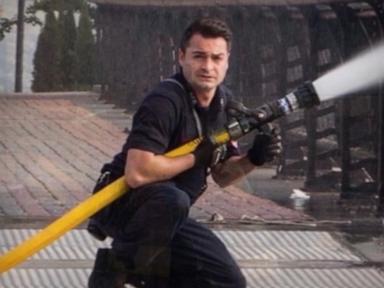
For fifteen years, Marcus—a hypothetical composite drawn from the clinical profiles of career firefighters who enter cardiac failure in their early forties—kicked down doors into rooms where the air itself was on fire. He carried eighty pounds of bunker gear, self-contained breathing apparatus, and halligan bars up dark stairwells while heat blistered the paint off the walls beside him. He was the man people called when their worst day had already started. He was built like a retaining wall, the kind of guy who hauled oak logs on his weekends off and mocked the younger recruits when they gassed out during ladder drills.
Then came the winter he couldn't walk up the six steps to his own front porch without stopping to brace his hands on his knees.
He blamed the flu. Then he blamed bronchitis. Then he blamed the brutal overtime schedule that had kept him on forty-eight-hour shifts through a freezing January. Nobody at the station wanted to say the thing everyone was thinking, because in the fire service, admitting your engine is failing feels indistinguishable from admitting you are no longer safe to stand beside your crew.
The Invisible Burn Inside the Chest
When a house burns, the danger everyone sees on the evening news is the flame. The danger that actually kills firefighters ten or twenty years later is invisible, odorless, and hitchhikes into the bloodstream every time a crew pulls off their masks during overhaul—the hours spent sifting through smoldering drywall and melted synthetics after the main blaze is knocked down.
Modern homes are no longer built of cotton, wool, and solid pine. They are packed with polyurethane foam, polyvinyl chloride wiring, treated laminates, and synthetic carpets. When those materials burn, they release a chemical soup of carbon monoxide, hydrogen cyanide, benzene, and ultrafine particulate matter smaller than one-fortieth the width of a human hair.
Think of a healthy heart as a high-efficiency hydraulic pump lined with smooth, flexible copper tubing. Every beat pushes roughly two and a half ounces of oxygenated blood through sixty thousand miles of vessels. Now imagine pouring fine abrasive grit and corrosive acid into that closed loop, week after week, for a decade and a half. The microscopic particles pass straight through the alveoli of the lungs and enter the arterial wall, triggering chronic, smoldering inflammation. Carbon monoxide binds to hemoglobin two hundred times more tightly than oxygen does, forcing the heart muscle to pound harder and faster just to deliver the same meager ration of fuel to the brain. Meanwhile, extreme heat spikes core body temperature, thickening the blood like cold molasses while adrenaline drives blood pressure into the red zone.
The data behind this slow-motion ambush is stark. According to the National Fire Protection Association and the National Institute for Occupational Safety and Health, sudden cardiac events account for roughly forty-five percent of all on-duty firefighter fatalities in the United States every year—far outpacing burns, structural collapses, or smoke asphyxiation. Even among firefighters who survive their shifts without a dramatic collapse on the fireground, occupational exposure accelerates cardiomyopathy, a condition where the heart muscle stretches, stiffens, or scars until it loses the mechanical strength to empty its chambers.
I spent three years reporting alongside thoracic transplant coordinators and occupational cardiologists, sitting in sterile waiting rooms where men who used to bench-press three hundred pounds wept silently because they could no longer lift their own toddlers. You learn quickly that heart failure does not look like a movie heart attack. Nobody clutches their chest and drops to the linoleum in a single cinematic frame. Instead, it is a quiet, humiliating suffocation from the inside out. Fluid backs up into the lungs because the left ventricle cannot clear it fast enough. You sleep propped up on four pillows because lying flat feels like drowning. Your ankles swell until your boots won't zip. Your brain goes foggy from chronic low oxygen, and the cold in your fingertips never quite leaves, even in July.
When Medicine Runs Out of Road
By the time a forty-one-year-old firefighter lands in an advanced heart failure clinic, the standard playbook has usually failed.
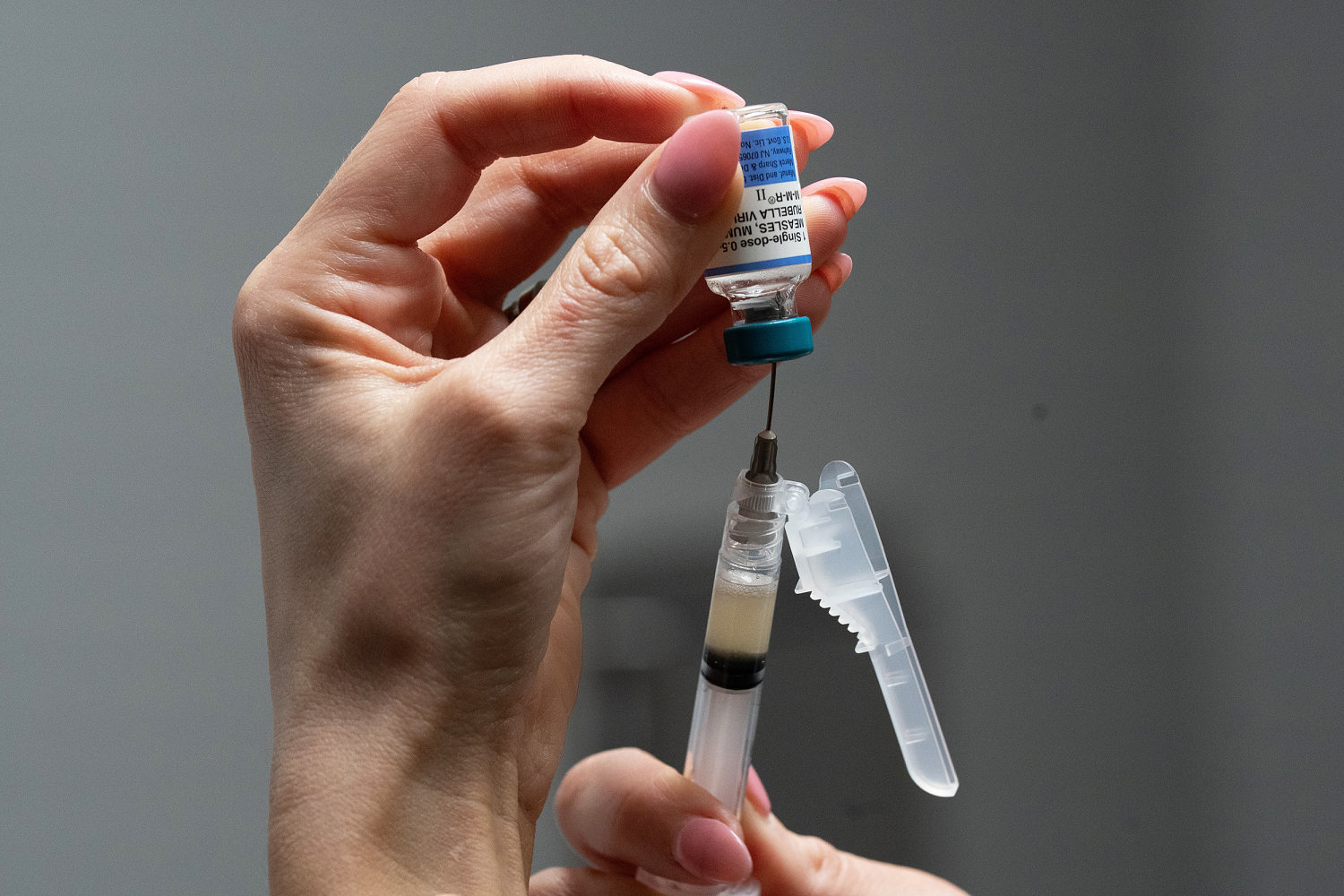
Doctors try the frontline medications first—beta-blockers to slow the frantic racing of a weakened heart, ACE inhibitors and ARNIs to relax constricted blood vessels, diuretics to drain the fluid pooling in the lungs and abdomen. Sometimes those drugs buy years. Sometimes the damage to the myocardium is already too deep, the scar tissue too dense, the ventricular walls stretched as thin and slack as an overblown balloon.
When the ejection fraction—the percentage of blood pumped out of the left ventricle with each contraction, normally fifty-five to seventy percent—drops below twenty percent, the body enters a state of permanent biological triage. The kidneys begin to shut down because they aren't getting enough perfusion. The liver congests. Every minor cold threatens to tip the patient into cardiogenic shock.
At that crossroads, two paths remain, and neither is easy.
The first is a left ventricular assist device, or LVAD—a mechanical turbine implanted directly into the apex of the heart that draws blood out and pushes it continuously into the aorta. An LVAD can keep a dying person alive for years, either as a bridge to transplant or as a permanent destination therapy. Yet living with one means carrying external batteries in a shoulder holster every waking second, sleeping tethered to a wall outlet, and guarding a driveline cable exiting through the abdominal wall against lethal infection. You cannot swim. You cannot soak in a tub. Every shower requires sealing your torso in waterproof dressings.
The second path is the only true biological reset: an orthotopic heart transplant.
Getting onto the United Network for Organ Sharing waitlist is an exhaustive gauntlet of testing, not because doctors lack compassion, but because donor hearts are agonizingly scarce. Roughly four thousand heart transplants are performed in the United States each year, while thousands more wait in hospital beds or at home with pagers clipped to their belts. Every candidate undergoes right-heart catheterizations, pulmonary pressure checks, infectious disease screenings, dental clearances, and deep psychological evaluations. One hidden infection, one untreated tooth abscess, or severe irreversible pulmonary hypertension can disqualify a patient on the spot, because the powerful immunosuppressant drugs required after surgery would turn a minor bacterial pocket into a fatal sepsis.
Once listed, the waiting begins. You pack a bag and leave it by the front door. You keep your phone charged to one hundred percent twenty-four hours a day. And you live with a quiet, agonizing moral weight that every transplant recipient knows intimately: for your life to continue, another family, somewhere within a four-hour flight radius, has to suffer an unimaginable tragedy.
Four Hours on Ice
Consider what happens next when the phone finally rings at two in the morning.
Across town—or two states away—a surgical procurement team boards a small chartered jet with a cooler packed with sterile slush and preservation solution. A human heart is remarkably resilient inside the chest, beating roughly one hundred thousand times a day without a single maintenance shutdown, yet the moment it is clamped from its blood supply, an unforgiving clock starts ticking.
Cold ischemia time—the window between cross-clamping the donor aorta and restoring warm blood flow inside the recipient's chest—ideally stays under four hours. Beyond six hours, the risk of primary graft dysfunction climbs sharply, where the stunned donor muscle struggles to wake up and sustain blood pressure on its own. (In recent years, warm perfusion machines—often called "heart-in-a-box" systems—have begun extending that window by pumping warm, oxygenated, nutrient-rich blood through the organ during transport, allowing surgeons to retrieve hearts from greater distances and evaluate their function in real time.)
Back at the transplant center, the choreography moves with rehearsed, quiet intensity. No one shouts. Nobody panics. Anesthesiologists thread arterial lines and central venous catheters while nurses shave and prep the patient's chest with amber chlorhexidine.
In the operating room, the cardiac surgeon makes a midline incision through the sternum, opens the pericardial sac, and connects the patient to the cardiopulmonary bypass machine. Tubes carry dark, oxygen-depleted blood out of the vena cava, run it through an artificial oxygenator and heat exchanger, and return bright red oxygenated blood into the ascending aorta. For the next several hours, a stainless-steel-and-plastic machine outside the body breathes and circulates for the patient while the chest cavity lies still.
The surgeon excises the diseased heart, leaving behind the back walls of the left and right atria—a cuff of native tissue—along with the stumps of the aorta and pulmonary artery. When the cooler arrives through the double doors, the donor heart is lifted out, pale and quiescent in its cold solution, and lowered into the empty mediastinum.
Four major connections—anastomoses—must be sewn with hair-thin polypropylene suture: the left atrium, the right atrium, the pulmonary artery, and finally the aorta. Each stitch has to be watertight under high arterial pressure, yet gentle enough not to tear delicate tissue.
Then comes the moment every person in that operating room holds their breath for.
The surgeon removes the aortic cross-clamp. Warm, oxygenated blood rushes back into the coronary arteries of the donor heart, turning pale muscle pink within seconds. Sometimes the new heart fibrillates chaotically at first, requiring a gentle internal shock from tiny paddles placed directly on the myocardium. Sometimes, spontaneously, without a single prompt, it shivers once—and begins to beat.
Thump. Thump. Thump.
Strong. Rhythmic. Unhesitating.
The Strange Work of Accepting a Stranger's Pulse
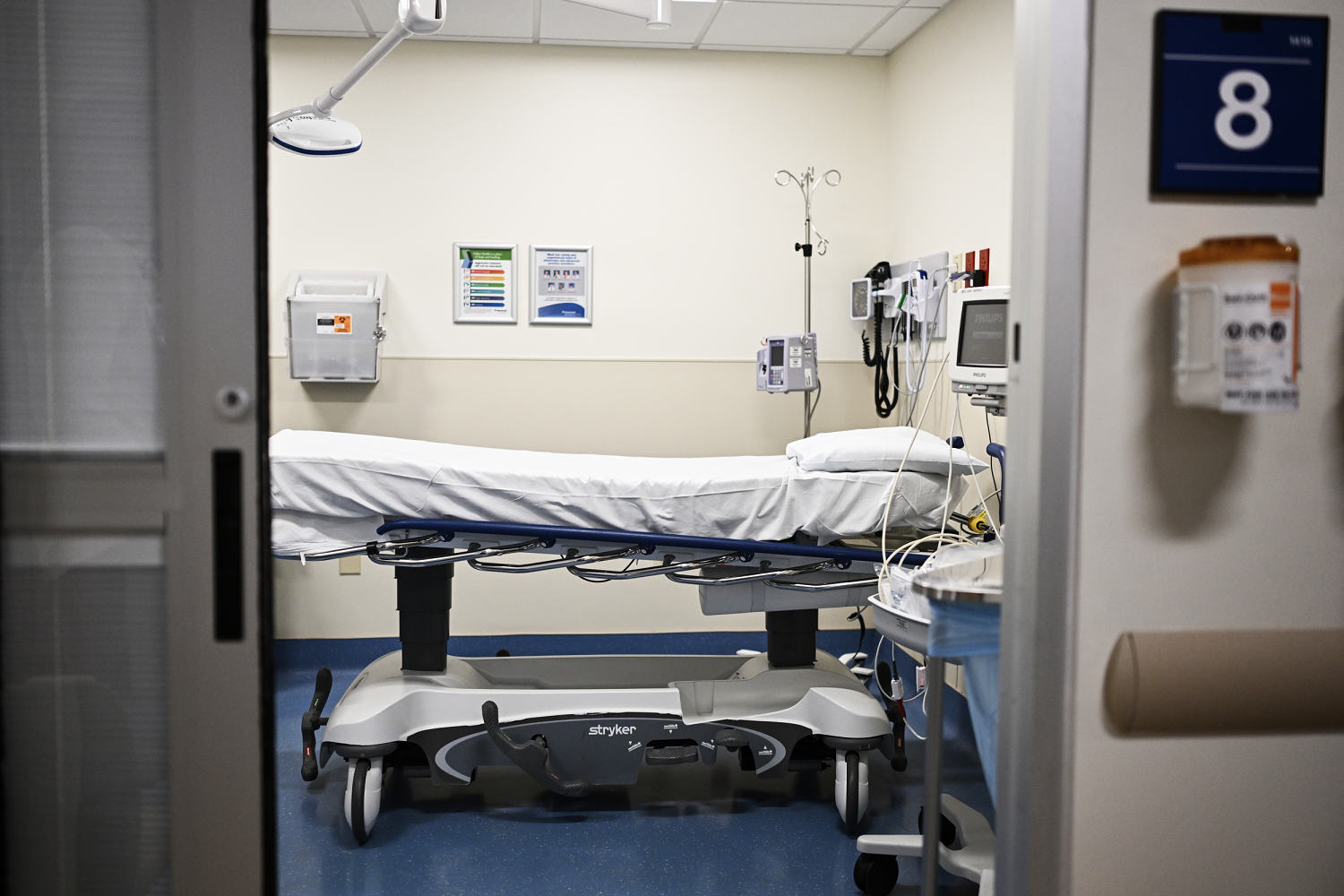
Waking up after a heart transplant is not like waking up from an appendectomy. You open your eyes in the surgical intensive care unit with a breathing tube still taped to your mouth, chest tubes draining fluid from around your lungs, and temporary pacing wires resting on your skin. You cannot speak yet, so you grip the nurse's hand or scribble shaky words on a clipboard.
And then you feel it.
For months or years, your own heart had felt like a dying bird fluttering weakly against your ribs, skipping beats, racing wildly just from rolling over in bed. Now, beneath the fresh sternotomy dressing, there is a deep, steady, muscular thud that feels almost too powerful for your chest wall.
What surprises most patients isn't the physical pain of a healing breastbone; it is the psychological disorientation of carrying another human being's pulse. Your nervous system has not yet wired itself into the new organ. Because the vagus nerve is severed during transplant surgery, a newly transplanted heart beats faster at rest—often ninety to one hundred beats per minute—and takes longer to speed up during exercise, responding instead to circulating adrenaline in the bloodstream rather than instant nerve signals.
The first year is a delicate tightrope walk between two lethal extremes: rejection and infection.
Your immune system is engineered to destroy anything that does not carry your exact genetic signature. Left unchecked, white blood cells will swarm the donor heart within days, attacking the coronary vessels and muscle fibers as aggressively as they would a bacterial invader. To prevent this, transplant recipients take a daily regimen of immunosuppressants—tacrolimus, mycophenolate, and corticosteroids—for the rest of their lives.
In the early months, doctors perform regular endomyocardial biopsies, threading a tiny catheter through a vein in the neck down into the right ventricle to snip pinhead-sized samples of heart tissue. Pathologists examine those slivers under a microscope to catch cellular rejection long before the patient ever feels a symptom. Meanwhile, a simple grocery store crowd becomes a minefield of respiratory viruses, and unwashed fruit or undercooked meat carries real risk.
Yet slowly, week by week, the life returns.
At six weeks, the sternal precautions lift, and a father who couldn't hold a gallon of milk can finally wrap both arms around his children. At three months, cardiac rehabilitation has him walking two miles on a treadmill without gasping for air. The gray, waxy pallor fades from his cheeks. Warmth comes back into his hands. Today, according to the International Society for Heart and Lung Transplantation, median survival after an adult heart transplant exceeds twelve years, and plenty of recipients live twenty, twenty-five, or thirty years—watching their kids graduate from college, walking daughters down aisles, growing gray hair they once thought they would never live to see.
What We Owe the People Who Run Into the Smoke
A forty-one-year-old firefighter surviving a heart transplant is a triumph of modern medicine, surgical grit, and a donor family's grace in their darkest hour. It makes for an inspiring news clip, a triumphant walk out of hospital sliding doors into warm sunlight, surrounded by cheering crewmates in dress blues.
But celebrating the rescue without confronting the cause misses half the truth.
We still send firefighters into toxic smoke without mandatory post-fire decontamination protocols in far too many departments. We still allow budget shortfalls to keep crews wearing gear contaminated with carcinogenic soot, or skip annual advanced cardiac screenings that could catch silent ischemia and ventricular remodeling years before a heart fails completely. Many states still force sick firefighters to fight years-long legal battles just to prove their heart failure was line-of-duty rather than a personal lifestyle flaw.
A heart transplant is a miracle, yes. It is also the last desperate bulkhead after every earlier line of defense has already broken.
Somewhere tonight, a crew is pulling off their masks in the dark, wiping black soot from around their eyes, breathing in the invisible residue of a house fire while they roll up hoses in the cold—their hearts beating steady and strong inside their chests, keeping score of every breath they take.