Bangladesh is currently absorbing a silent, brutal economic shock. While the global eye remains fixed on the geopolitical maneuvering between Tehran and its adversaries, the fallout is landing squarely on the manufacturing hubs of Gazipur and the trading floors of Dhaka. This is not just about the fluctuating price of a barrel of crude oil. It is a systemic breakdown of the logistical and financial corridors that allow a developing nation to breathe.
The primary crisis stems from a sudden, sharp contraction in consumer demand across the Middle East and Europe, coupled with a logistical nightmare in the Red Sea that has effectively taxed every garment leaving a Bangladeshi port. For an economy built on razor-thin margins in the Readymade Garment (RMG) sector, these disruptions are not just "higher costs." They are a death sentence for mid-sized factories already struggling with a domestic energy crisis and a volatile exchange rate. Expanding on this idea, you can also read: Why the Proctor and Gamble Thorne Deal Changes Everything for Big Wellness.
The Red Sea Chokepoint and the Death of Predictability
The most immediate threat to the Bangladeshi bottom line is the radical shift in maritime logistics. When tensions in the Middle East escalate into maritime insecurity, the Suez Canal—the primary artery for Bangladeshi exports to Europe—becomes a high-risk zone.
Shipping lines have diverted vessels around the Cape of Good Hope. This is not a minor detour. It adds roughly 3,500 nautical miles to the journey. For a freight forwarder in Chittagong, this means a delay of 12 to 15 days. In the world of "fast fashion," two weeks is an eternity. Brands like H&M or Zara operate on seasonal cycles that do not wait for geopolitical stability. When a shipment is late, the buyer often demands a "late discount" or, worse, cancels the order entirely. Observers at Bloomberg have also weighed in on this situation.
The cost of a 40-foot container has skyrocketed, but the freight rate is only half the story. The real killer is the Surcharge Culture. Lines are now slapping "War Risk Surcharges" and "Emergency Operational Surcharges" on every invoice. Bangladeshi exporters, who mostly operate under "Free on Board" (FOB) contracts, are finding that while the buyer pays the freight, the hidden costs of warehousing, delayed payments, and increased working capital requirements fall entirely on the manufacturer.
The Remittance Engine Stalls
Bangladesh relies on the Middle East for more than just oil. It is the primary destination for its labor export. Millions of Bangladeshi workers in the Gulf send back the foreign exchange that keeps the nation’s reserves from hitting zero.
History shows that when Iran or its neighbors enter a cycle of high-intensity friction, infrastructure projects in the region slow down. Uncertainty breeds austerity. If the Gulf Cooperation Council (GCC) nations pause their massive construction and "giga-projects" to assess the regional security climate, the demand for Bangladeshi labor drops.
More critically, the cost of living in the Middle East spikes during these disruptions. A migrant worker in Dubai or Riyadh who suddenly pays 20% more for food and transport has 20% less to send home to his family in Sylhet or Cumilla. This creates a secondary squeeze on the domestic economy. When remittance drops, rural consumption falls. The shopkeeper in a remote village sells less, the local construction market dries up, and the cycle of poverty tightens its grip.
Energy Sovereignty and the LNG Trap
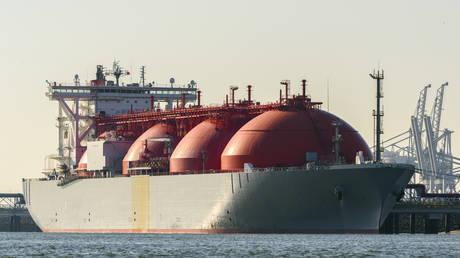
Perhaps the most dangerous vulnerability revealed by this conflict is the fragility of the Bangladeshi power grid. Over the last decade, the country moved away from domestic coal and gas toward imported Liquefied Natural Gas (LNG). It was a move toward cleaner energy that turned into a geopolitical trap.
Whenever a missile is fired in the Middle East, the spot market for LNG reacts instantly. Prices don't just rise; they become erratic. Bangladesh, facing a severe shortage of US Dollars, cannot compete in a bidding war against Japan or Germany when prices spike.
The result is load shedding.
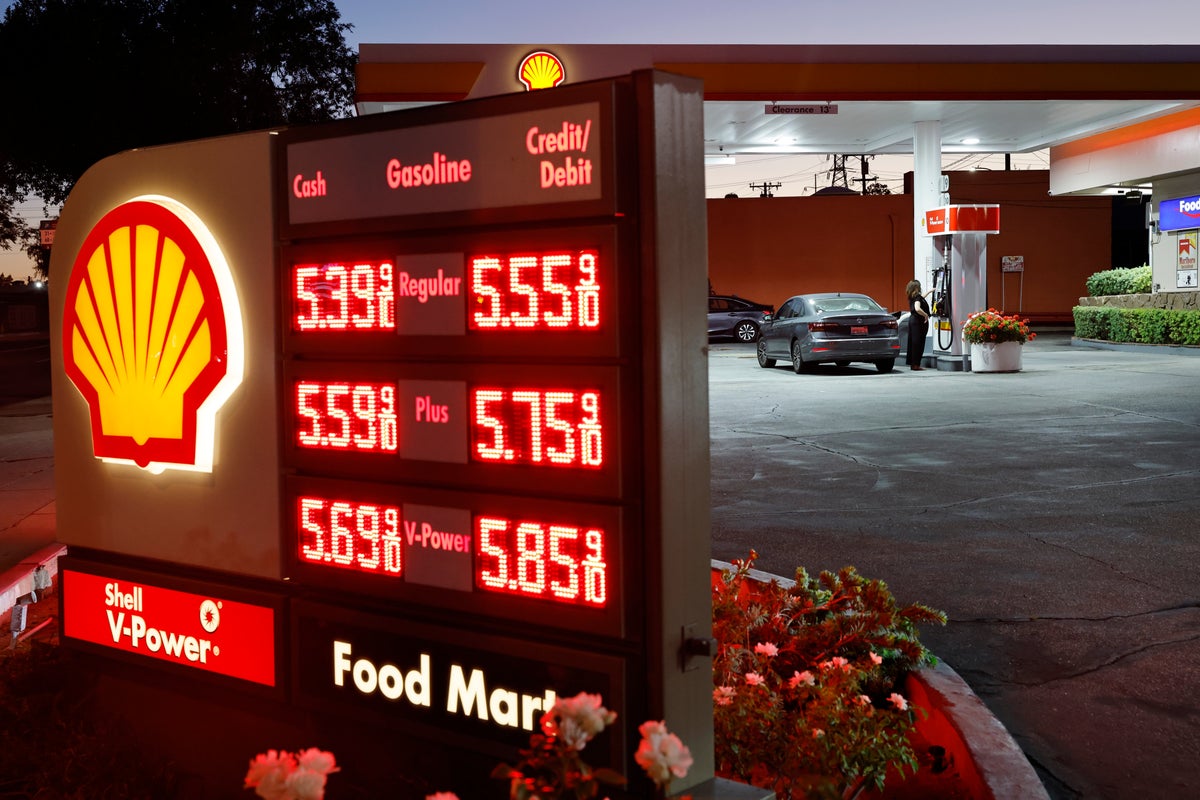
When the power goes out in an industrial belt, the cost of production doubles. Factories must switch to diesel generators. This creates a cruel irony: to compensate for the lack of expensive gas, the country must buy more expensive diesel. The government then faces a choice between subsidizing fuel and draining the last of the forex reserves, or raising electricity prices and fueling inflation that is already hovering near double digits.
The Credit Crunch and the Squeezed Manufacturer
While the headlines focus on the macro-level figures, the micro-level reality in Dhaka’s banking sector is grim. Banks are increasingly hesitant to open Letters of Credit (LCs). The uncertainty of the Iran-related disruptions makes the "risk profile" of international trade too high for many local lenders.
Small and medium enterprises (SMEs) are being cut out of the market. They lack the political connections or the massive balance sheets to convince a bank to take a risk on an import shipment of raw materials. Without raw materials, the machines stop. Without machines, there is no income.
The Hidden Factors of Export Diversification Failure
For years, analysts have told Bangladesh to diversify its export basket beyond clothing. The current crisis proves why this hasn't happened. To build an electronics or pharmaceutical export industry, you need a stable, cheap, and predictable supply chain.
Current Middle Eastern disruptions have made "predictable" an obsolete word.
The Regional Rivalry and the Oil Price Floor
There is a common misconception that high oil prices are always bad for everyone. In reality, they are a double-edged sword for Bangladesh. While they drive up the cost of fuel and fertilizer, they also flush the GCC countries with cash. In theory, this should mean more jobs for Bangladeshis.
However, the current nature of the conflict is different. It isn't just about high prices; it is about volatility. Markets can handle high prices if they are stable. They cannot handle a 10% swing in 48 hours based on a drone strike or a closed strait. This volatility prevents long-term investment. It makes the "Petrodollar" less reliable as a safety net for the Bangladeshi labor market.
The Fertilizer Crisis and Food Security
Bangladesh is an agrarian society at its core. Most of its fertilizer is either imported or produced using natural gas. When gas is diverted to keep the lights on in Dhaka, fertilizer factories are the first to be shut down.
If the conflict in the Middle East leads to a prolonged disruption in the supply of urea or the gas needed to make it, the next harvest is at risk. We are looking at a potential transition from a "foreign exchange crisis" to a "food security crisis." This is the point where economic theory meets the dinner table. If the price of rice climbs because of a war 3,000 miles away, the social contract in Bangladesh begins to fray.
Breaking the Cycle of Vulnerability
The current strategy of "waiting it out" is no longer viable. The frequency of Middle Eastern disruptions suggests that this is the new normal, not a temporary glitch.
To survive, the Bangladeshi industrial complex must pivot toward Energy Efficiency with an aggression never seen before. This isn't about being "green"; it's about survival. Factories that can reduce their reliance on the national grid by 20% through solar or advanced heat recovery systems are the only ones that will be standing in five years.
Furthermore, the government must stop treating the RMG sector as a monolithic cash cow. The "one size fits all" policy on incentives is failing. There needs to be a targeted credit line for SMEs that are being crushed by the L/C crisis.
The banking sector requires a radical cleansing. The practice of "evergreening" bad loans for well-connected tycoons while denying credit to a manufacturer with 500 employees is an economic suicide pact. When global shocks hit, the banking system must be the shock absorber, not the catalyst for the crash.
The Brutal Reality of the Transition
There is no version of this story where the next twenty-four months are easy. The era of cheap energy and cheap shipping is dead. The Middle Eastern conflict has simply acted as the coroner, pronouncing it so.
The nations that thrive in this decade will be those that can shorten their supply chains and diversify their energy mix. Bangladesh is currently doing the opposite. It is lengthening its supply lines by relying on the Red Sea and deepening its energy dependence by tethering its grid to the LNG spot market.
The "disruptions" mentioned in official reports are not hurdles to be jumped. They are the walls of a room that is rapidly getting smaller. Without a fundamental shift in how the country sources its power and moves its goods, the "economic miracle" of the last decade will be remembered as a brief window of stability that was closed by a storm it refused to prepare for.
Negotiating with international lenders for more bailouts is a sticking plaster on a gunshot wound. The only real solution is a brutal, top-to-bottom restructuring of how the country manages its trade risk. This means moving away from a reliance on the Suez Canal by exploring the International North-South Transport Corridor (INSTC) and aggressively incentivizing domestic gas exploration over the "easy" path of LNG imports.
The cost of inaction is not just "lost income." It is the total erosion of the competitive advantage that built modern Bangladesh.