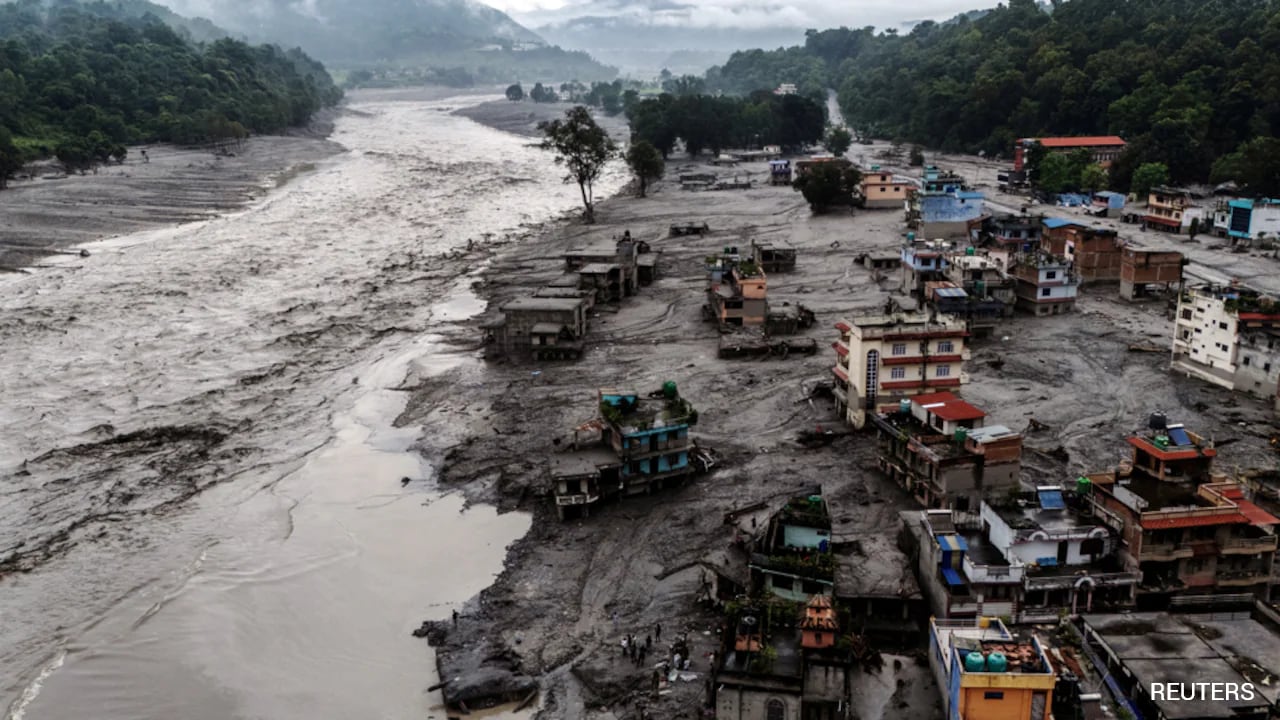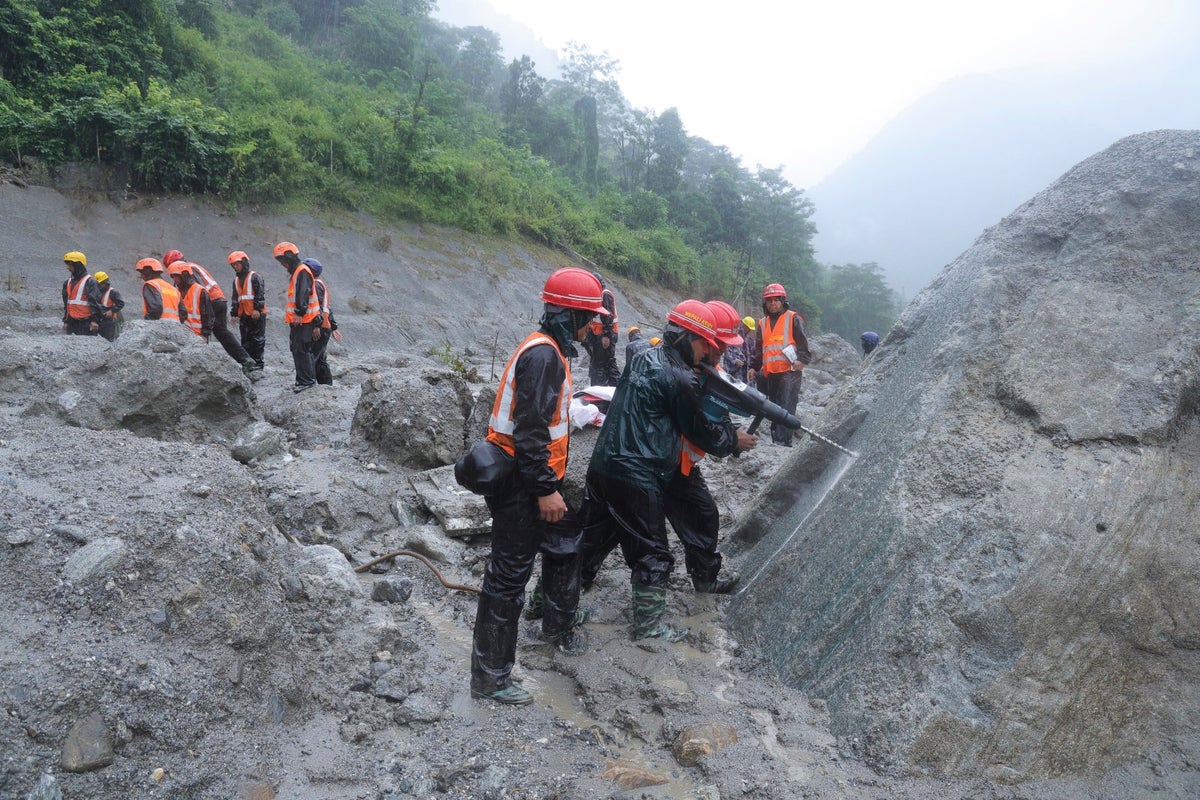
Nepal floods represent more than seasonal misfortune. They serve as an early warning system for a green energy transition built on unstable ground. For years, investors poured billions of dollars into run-of-river electricity generation schemes across the Himalayan region, viewing roaring mountain streams as a limitless source of clean power. That financial calculus ignored basic geology.
The mountains are falling apart. Rising global temperatures accelerate glacier melting, creating massive high-altitude lakes held back by loose piles of debris known as moraines. When these natural dams fail, the resulting outburst floods sweep down narrow gorges with catastrophic force, completely erasing concrete intakes, transmission lines, and powerhouse stations in minutes. The fundamental premise of Himalayan hydropower rests on the assumption of a stable hydrological and geological baseline that no longer exists.
The Fatal Flaw of Run-of-River Engineering
Traditional large-scale dams with massive storage reservoirs face severe environmental pushback, so modern developers favor run-of-river projects. These facilities divert water through tunnels to turbines downstream, bypassing the need to flood large valleys. Engineers championed this design as an environmentally friendly alternative that preserves natural river flow.
Nature exposed the vulnerability of this approach. Run-of-river plants possess virtually zero water storage capacity. When intense monsoon rains trigger flash floods, the water carries millions of tons of gravel, silt, and boulders directly into the infrastructure. A slurry of abrasive debris scours turbine blades down to bare metal within hours, while sediment chokes intake gates and blocks penstocks.
Financial institutions that underwrite these projects frequently miscalculate risk. Standard engineering risk assessments rely on historical weather data spanning the last fifty years. In a rapidly warming climate, historical data is worse than useless. It actively misleads planners into building multi-million-dollar assets in the direct path of future debris flows.
How Glacial Lake Outbursts Rewrite the Risk Matrix
Mountain communities and energy planners now face an invisible enemy high above the tree line. Glacial Lake Outburst Floods, or GLOFs, occur without warning when warming temperatures destabilize glacial walls. A single avalanche or heavy rainstorm can trigger a cascade of water and rock that transforms a calm alpine stream into a moving wall of mud and stone.
Consider a hypothetical 100-megawatt facility nestled in a narrow river valley. Under normal operational conditions, the plant generates steady revenue by supplying electricity to domestic grids and export markets across the border. When a GLOF occurs twenty miles upstream, the advance warning time for operators is often measured in minutes. Emergency shutdowns protect the spinning machinery from total electrical short circuits, but they cannot save surface structures from physical obliteration.
The financial fallout extends far beyond immediate property damage. Insurance premiums for Himalayan energy assets are skyrocketing, with many underwriters refusing to cover climate-induced geological disasters altogether. Without reliable insurance, project financing dries up. Investors who once viewed clean energy in developing nations as a safe, ethical bet are discovering that sovereign risk and climate volatility create an unpredictable cocktail.
The Silt Dilemma and Structural Decay
Even during years without catastrophic floods, daily operations face a relentless mechanical challenge. The Himalayas are among the youngest and most erosion-prone mountains on Earth. The rocks constantly weather and break down into fine, abrasive quartz silt.
When monsoon rains swell the rivers, sediment loads multiply exponentially. Desander basins designed to trap sediment before it hits the turbines frequently overflow during peak flood events. Once the abrasive slurry breaches the filtration systems, the financial bleeding begins. Replacing a single hydro turbine runner destroyed by silt erosion costs millions of dollars and requires months of specialized manufacturing and transport logistics.
Operators find themselves trapped in a continuous maintenance cycle. They spend capital patching concrete foundations and rebuilding intake channels only for the next monsoon season to wash the improvements away. This constant repair work eats into profit margins, turning what was supposed to be a decades-long cash cow into an ongoing financial liability.
Rethinking Regional Power Grids
The regional energy strategy relies heavily on cross-border electricity trade. Neighboring nations hungry for low-carbon power signed long-term power purchase agreements with developers building plants along Himalayan river corridors. When floods knock out generation capacity, those supply contracts default, leaving utilities scrambling to find alternative power sources, often resorting to fossil fuels to fill the generation gap.
This creates a perverse paradox. The pursuit of clean energy through vulnerable mountain infrastructure occasionally forces regional grids to rely on dirtier backup power when climate disasters strike. Energy security and decarbonization goals pull in opposite directions whenever a major flood event takes down a cluster of regional plants.
Engineers must fundamentally rethink site selection criteria. Building generation facilities directly in the narrow, steep-walled gorges where rivers run fastest is no longer viable. Moving infrastructure higher up stable bedrock slopes or investing in decentralized micro-grids that do not rely on massive river diversions offers a safer path forward.
Governments and multilateral development banks must stop treating climate adaptation as an optional line item in project budgets. Comprehensive satellite monitoring of high-altitude glacial lakes, early-warning acoustic sensors along riverbeds, and strict geological zoning laws are mandatory prerequisites for any future construction.
The mountains will continue to warm, glaciers will continue to retreat, and the monsoon rains will grow more erratic. Ignoring these physical realities guarantees more disaster headlines, bankrupt developers, and darkened transmission lines across the region. The choice facing the energy sector is simple. Adapt engineering standards to match the fury of a warming planet, or watch the infrastructure wash away.