The myth of the unified "Ring of Fire" died on February 28, 2026. As American and Israeli munitions hammered the Pasteur district of Tehran and the nuclear hardened facilities at Fordow, the expected regional inferno did not materialize. For years, the Axis of Resistance was marketed by the Islamic Revolutionary Guard Corps (IRGC) as a seamless, transnational war machine. The theory was simple: an attack on the "head of the snake" would trigger a synchronized, multi-front assault from the Mediterranean to the Bab el-Mandeb.
Instead, the morning after Operation Epic Fury revealed a fractured architecture of survival.
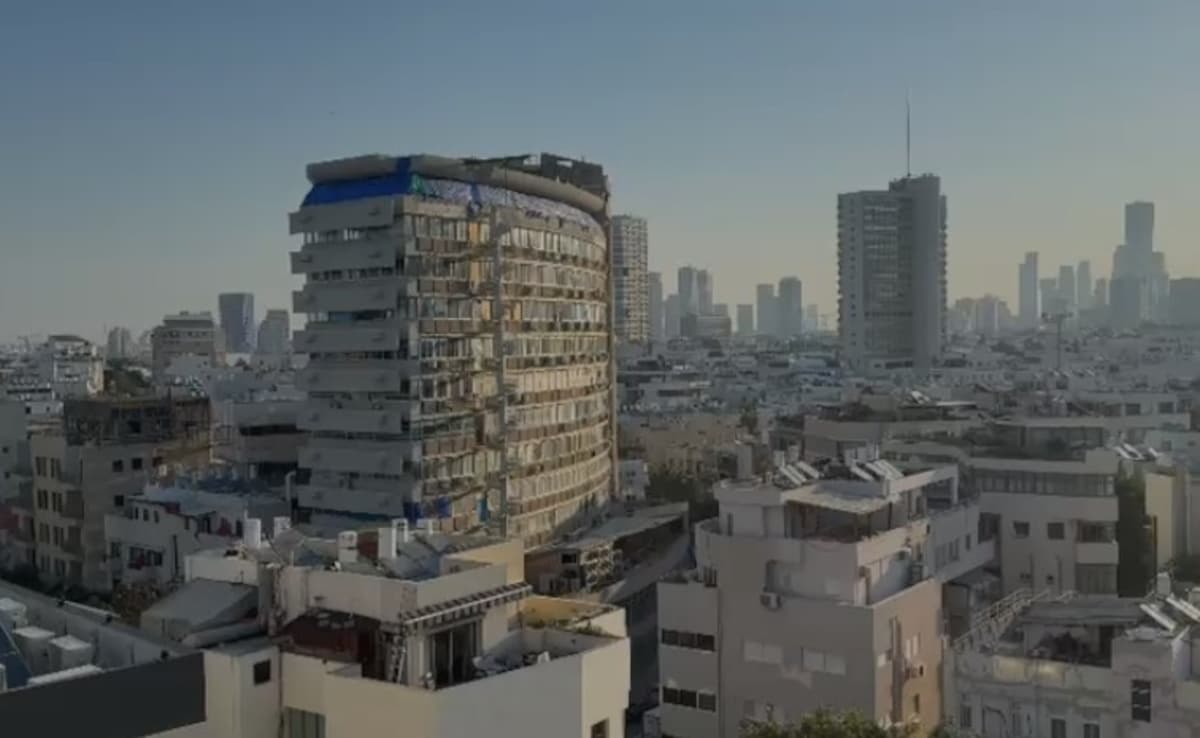
While ballistic missiles did arc toward Tel Aviv and U.S. bases in the Gulf, the response was more a reflex than a coordinated strategy. The death of Supreme Leader Ali Khamenei has not just decapitated the Iranian state; it has severed the ideological and financial nervous system of its proxies. This is no longer a "shadow war" or a regional chess match. It is the beginning of the end for the most successful paramilitary franchise in modern history. The hard truth is that Iran’s proxies are now faced with a brutal choice: burn with their patron or pivot to local survival.
The Decapitation of the Command Post
The IRGC’s Quds Force spent four decades building a network designed to be "decentralized yet disciplined." They failed on the second count. By targeting the supreme leadership and the IRGC's command-and-control hubs in a single, massive wave, the U.S. and Israel exploited a fundamental flaw in the Axis: its reliance on personal loyalty and direct Iranian oversight.
Historically, the Axis functioned through "strategic patience." When a proxy was hit, Iran would calibrate a response to avoid a total war that could threaten the regime in Tehran. Now that the regime itself is under an existential cloud, the "forward defense" doctrine has collapsed. Iran used its proxies as a shield; today, that shield is being discarded by a regime that has no more cards to play.
Hezbollah and the Lebanon Trap
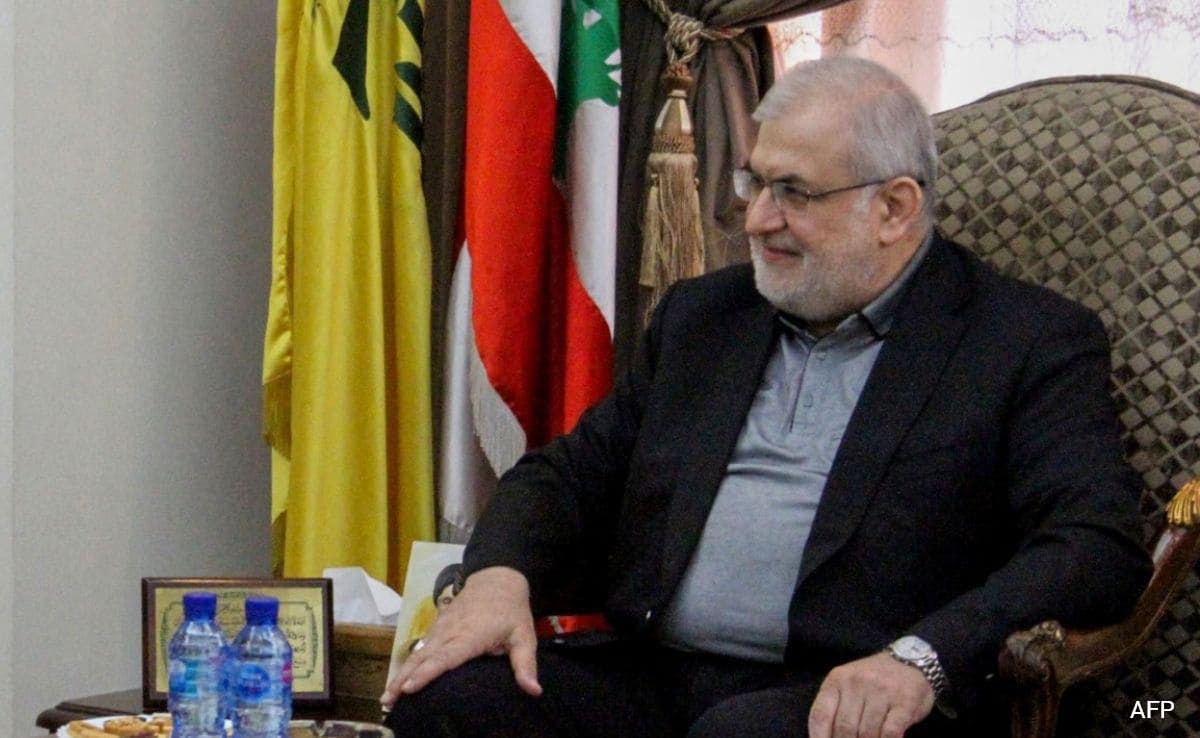
Hezbollah was once the crown jewel of this network. Today, it is a shadow of its former self. Following the 2024 ceasefire and the systematic degradation of its missile stockpiles, the group's leader, Naim Qassem, faces an impossible domestic landscape. Lebanon is no longer a permissive environment for a "resistance" that brings only ruin.
- Logistical Strangling: The fall of the Assad regime in Syria in late 2024 severed the primary land bridge from Tehran to Beirut.
- Financial Paralysis: With the Iranian economy in a tailspin and new U.S. actions against Hezbollah’s Latin American drug-trafficking networks in January 2026, the cash flow has dried up.
- Local Vigilance: The Lebanese Armed Forces, backed by international pressure, are no longer looking the other way. Every Iranian diplomatic pouch is now a target for inspection.
Hezbollah’s limited rocket fire in the wake of the February 28 strikes was a performance, not an escalation. They are fighting for their political life in Beirut, and they know that a full-scale entry into Iran’s war would be a suicide pact that their remaining constituents will not sign.
The Houthi Wildcard and the Red Sea
If Hezbollah is the disciplined veteran, the Houthis (Ansar Allah) are the chaotic insurgent. Ironically, the group least controlled by Tehran is now the most active. Despite years of periodic U.S. and U.K. airstrikes, the Houthis have retained their grip on northern Yemen.
They are the only member of the Axis currently capable of imposing global economic costs. By resuming attacks on Red Sea shipping, they hope to create leverage for a regime that can no longer protect them. But even here, the coordination is fraying. Houthi leadership has expressed solidarity, but their actions are increasingly driven by Yemeni domestic politics and the need to maintain their image as the only "true" resistance left standing. They are less a proxy and more an opportunistic ally, using the chaos to consolidate their own local power.
The Iraqi Resistance and the War of Attrition
In Iraq, the Popular Mobilization Forces (PMF) are undergoing a violent schism. Factions like Kataib Hezbollah have threatened a "war of attrition" against U.S. forces, but the broader Iraqi political establishment is terrified. Iraq cannot afford to be the battlefield for an American-Iranian final showdown.
The PMF is not a monolith. While the "ideological" wings are ready to fight for the IRGC, the "nationalist" wings are looking for an exit. They have become entrenched in the Iraqi state’s economy—controlling ports, border crossings, and construction contracts. For these commanders, the death of Khamenei is a signal to protect their assets, not to burn them in a gesture of loyalty to a dying revolutionary ideal.
The Survivalist Shift
We are witnessing the "nationalization" of the Axis. For forty years, these groups traded their sovereignty for Iranian weapons and cash. Now that the bank is closed and the armorer is under fire, the "Resistance" is becoming a collection of local actors looking for a way to stay relevant in a post-Iran Middle East.
This is the real reason the "coordinated response" failed. When the missiles started falling on Tehran, the proxies didn't ask "How can we help?" They asked "Are we next?"
The danger now is not a unified regional war, but a series of fragmented, unpredictable insurgencies. As the central command in Tehran flickers out, these groups will become more autonomous, more desperate, and potentially more violent on a local scale. They are no longer a strategic instrument of a state; they are well-armed survivors in a region that has moved past them.
The era of the Iranian proxy as a disciplined extension of Persian power is over. What remains is a landscape of "isolated islands," each fighting a lonely battle for its own continuity. The "Ring of Fire" hasn't just been broken; it has been extinguished by the reality of its own internal contradictions.
Would you like me to analyze the specific economic shifts in the Persian Gulf following the Strait of Hormuz closure threats?