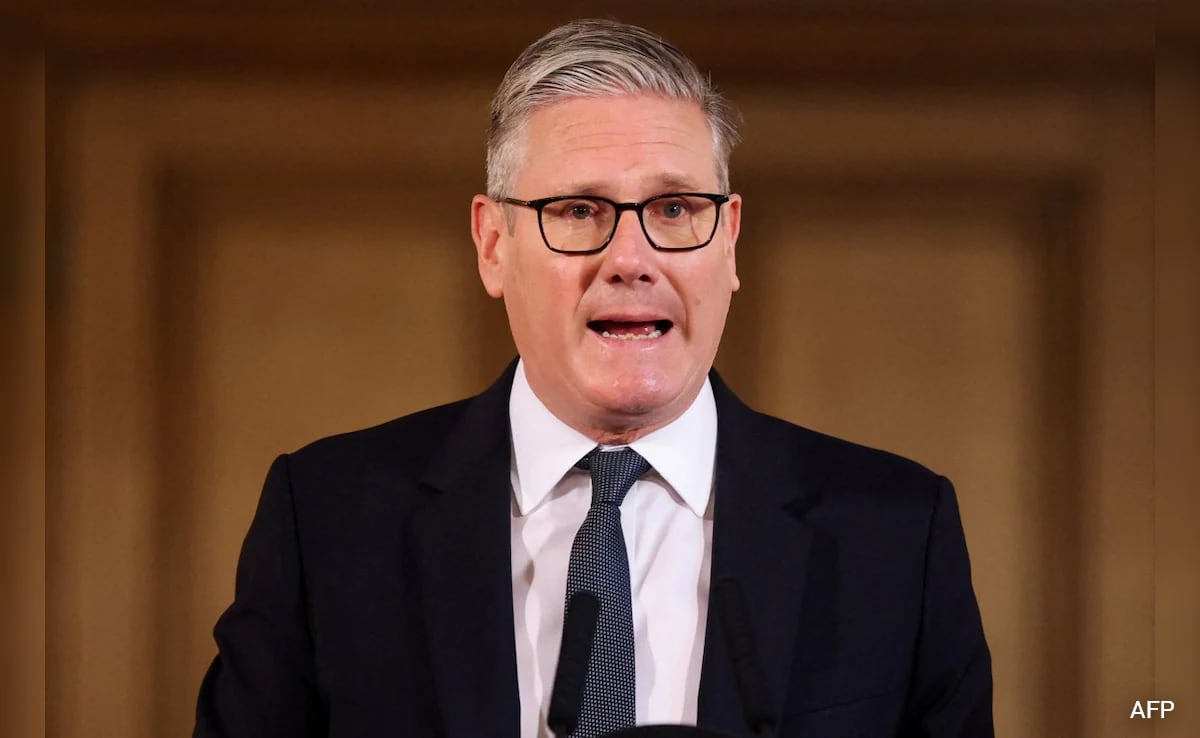
The collapse of the Labour vote in the May 2026 local elections is not a mere mid-term stumble. It is a fundamental rejection of a Prime Minister who has spent two years governing through caution rather than conviction. As of Tuesday, the rebellion within the party has reached a fever pitch, with at least 80 MPs demanding a departure timetable and senior ministers like Jess Phillips walking out of the government. The numbers are staggering. Labour has lost more than 1,100 council seats across England, but the true devastation lies in the death of its heartlands. For a century, Labour dominance in Wales was an article of faith; today, Plaid Cymru has dismantled that legacy, while Reform UK has feasted on the carcass of the Red Wall.
The Mandelson Shadow and the Trust Deficit
The immediate catalyst for this internal implosion is a profound crisis of judgment. While voters are struggling with a persistent cost-of-living squeeze, Starmer’s decision to appoint Peter Mandelson as the British Ambassador to Washington has acted as a lightning rod for discontent. Mandelson’s historic ties to Jeffrey Epstein are not just a PR headache. They represent a perceived return to a brand of elite, backroom politics that the electorate thought they had buried.
Inside Downing Street, the atmosphere is described by insiders as bunker-like. Starmer’s response—appointing Gordon Brown as a global finance envoy and Harriet Harman as an adviser—is a classic defensive maneuver. It is an attempt to wrap himself in the robes of the party’s "elder statespeople" to ward off a coup. But the strategy is failing because it ignores the visceral anger on the ground. Voters in places like Sunderland and Barnsley didn't switch to Reform UK because they wanted more New Labour nostalgia. They switched because they felt abandoned by a metropolitan leadership that prioritizes EU realignment over the price of a weekly shop.
A Multi Front War
The 2026 results have effectively shattered the two-party system that has defined British politics since the post-war era. Starmer is now fighting a war on four fronts, and he is losing ground on every single one.
- The Right Flank: Reform UK, led by Nigel Farage, has moved beyond being a "protest party." By securing over 1,400 seats, they have established themselves as the new voice of the working class in northern England and Essex.
- The Left Flank: The Green Party’s victory in the Hackney mayoral race and their surge in London boroughs like Lewisham show that the progressive base finds Starmer’s "fiscal responsibility" indistinguishable from austerity.
- The Nationalists: In Scotland and Wales, the message is clear. Labour is no longer seen as the natural party of the devolved nations.
- The Internal Insurgency: The resignation of Miatta Fahnbulleh and Jess Phillips within hours of each other suggests that the payroll vote is no longer secure. When junior ministers decide that their career prospects are better on the backbenches than in the Cabinet, the end is usually near.
The Policy of Paralysis
The Prime Minister’s mantra that he will not "plunge the country into chaos" by resigning is increasingly viewed as an admission of weakness. To the public, the chaos is already here. High interest rates are hammering mortgage holders, and the government's attempts to cut welfare spending—many of which were forced into humiliating U-turns—have left the administration looking both cruel and incompetent.
The "10-year project of renewal" that Starmer often cites has become a joke in the tea rooms of Westminster. Renewal requires a foundation of popular consent that has evaporated. When the King opens the next parliamentary session tomorrow, he will be reading a legislative agenda for a government that has lost its mandate.
The Succession Vacuum
The only reason Keir Starmer remains in Number 10 this morning is the lack of a unified alternative. Potential challengers are currently paralyzed by their own strategic calculations. Wes Streeting, the Health Secretary, has remained pointedly silent, while Andy Burnham remains tethered to his power base in Manchester. They are waiting for the PM to be weakened further, hoping to avoid the "assassin’s curse" of being the first to strike.
But this delay is costing the party its future. Every day that Starmer remains in office without a clear plan to reverse the electoral rot, the Reform UK "turquoise wave" grows higher. This isn't just about one man’s career anymore. The very survival of the Labour Party as a national force is at stake. If the leadership does not change, the 2029 General Election will not be a contest; it will be a funeral.
The time for "getting on with the job" ended when the first 1,000 council seats disappeared.
Labour suffer big losses as Reform surge - but can Starmer survive?
This video provides a direct look at the immediate aftermath of the 2026 local elections and the historic shift in voter sentiment that has fueled the current calls for Starmer's resignation.