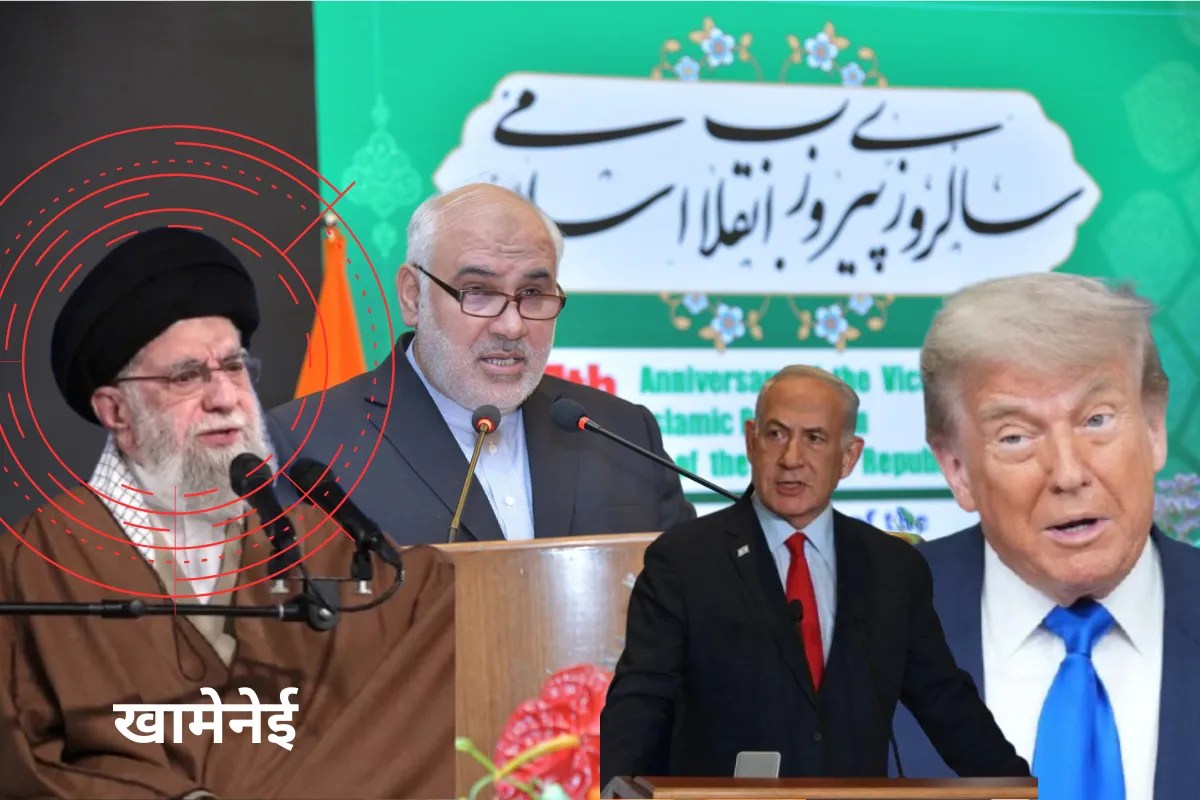
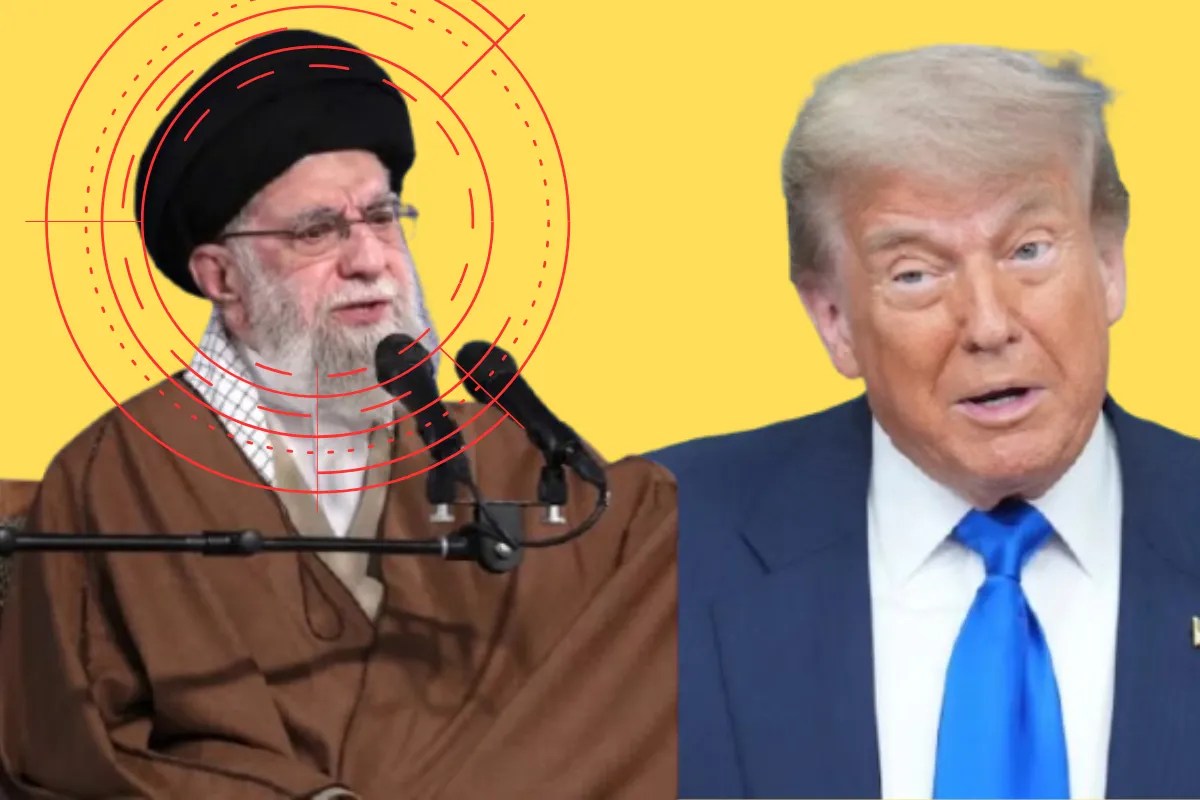
The transition from "America First" rhetoric to the clinical execution of missile strikes represents one of the most significant pivots in modern executive power. When Donald Trump campaigned on an anti-interventionist platform, he tapped into a deep-seated exhaustion within the American electorate, a fatigue born of decades of inconclusive conflicts in the Middle East and Central Asia. Yet, the reality of the Oval Office quickly stripped away the isolationist veneer. The gap between the campaign trail’s "no more stupid wars" and the actual deployment of Tomahawk missiles reveals a systemic truth about the American presidency: the machinery of global hegemony is far more influential than the personal ideology of the person sitting behind the Resolute Desk.
This shift isn't just about a change of heart. It is the result of a collision between populist promises and the rigid requirements of maintaining a global superpower's credibility. For another view, read: this related article.
The Friction Between Populism and the Pentagon
Campaign promises are made in a vacuum, but they are executed in a pressurized chamber of intelligence briefings and geopolitical brinkmanship. The "America First" doctrine suggested a withdrawal from the world stage to focus on domestic revitalization. However, once in power, the administration found that the vacuum left by American absence is rarely filled by peace. Instead, it is filled by rivals and adversaries.
When the first major chemical weapons attack occurred in Syria during the Trump administration, the choice was binary. The President could stick to his non-interventionist guns and allow a clear violation of international norms to go unpunished, or he could act. He chose the latter. This wasn't a departure from his brand so much as a recalibration of it. He traded the "isolationist" tag for the "strongman" image. The strikes were marketed not as nation-building—which he despised—but as a display of raw, unpredictable power. Related analysis on the subject has been provided by The Washington Post.
The Pentagon plays a massive role in this evolution. The military establishment has a way of presenting options that make "doing nothing" look like the most dangerous path available. Intelligence leaders frame global threats in ways that demand a response to maintain deterrence. For a President who prizes the appearance of strength, the argument that "inaction equals weakness" is a powerful motivator.
The Death of the Grand Strategy
We are witnessing the end of cohesive foreign policy doctrines. In the past, administrations were defined by clear frameworks like Containment or the Bush Doctrine. Today, policy is transactional. It is reactive.
The strikes in Syria and the heightened tensions with Iran were not part of a long-term plan to reshape the region. They were tactical responses to immediate provocations. This "transactional interventionism" is the middle ground between the isolationism promised on the stump and the hawkishness of the traditional GOP establishment. It satisfies the need to "do something" without the commitment of putting boots on the ground for a decade.
The Cost of Unpredictability
One of the hallmarks of this era is the use of unpredictability as a tool. While traditional diplomacy relies on clear red lines and predictable outcomes, the current model thrives on keeping adversaries off balance.
- Deterrence through Volatility: The idea is that if an enemy doesn't know how you will react, they will be too afraid to move.
- The Credibility Trap: The downside is that when you strike once, you are obligated to strike again to maintain that fear.
- Ally Anxiety: Partners who rely on American stability find themselves wondering if they will be defended or discarded based on the latest news cycle.
This volatility creates a paradox. While intended to keep the U.S. out of "forever wars," it actually increases the risk of accidental escalation. A single strike intended as a warning can easily be misinterpreted as the opening salvo of a full-scale invasion, forcing a response from the other side that neither party actually wants.
The Intelligence Community and the Burden of Proof
There is a historical tension between this administration and the "Deep State," yet the President remains the primary consumer of their product. When a chemical attack is verified or a terrorist leader is tracked to a compound, the pressure to act becomes immense.
The decision to strike is often less about a grand vision for the world and more about the specific data points presented in the morning brief. If the intelligence says an attack is imminent, or a red line has been crossed in a way that humiliates the U.S., the "America First" mandate to stay home is quickly overruled by the mandate to protect American prestige.
Rebranding Intervention for the Base
The political genius of these military actions lies in how they are sold to a skeptical public. Traditional intervention was sold as "spreading democracy" or "humanitarian aid." The new model sells it as "winning."
By framing strikes as a decisive, one-off punishment rather than the start of a crusade, the administration manages to keep its base happy. The supporters who cheered for the end of foreign wars are the same people who cheer when they see footage of high-tech weaponry hitting a target. It is a cinematic form of warfare that provides the dopamine hit of victory without the funeral processions that usually follow a sustained military campaign.
The Irony of the Buffer Zone
The administration's attempts to create distance between the U.S. and global conflicts often result in closer proximity. By trying to pull back, the U.S. creates instabilities that eventually require a more violent re-entry.
Consider the troop withdrawals in certain sectors that led to immediate power grabs by local actors. The subsequent scramble to prevent a total collapse often leads to more air strikes and special operations than would have been necessary had a steady presence been maintained. This is the "yo-yo" effect of modern foreign policy: a constant cycle of pulling away and slamming back in.
The Financials of Force
War is expensive, but strikes are relatively cheap. When the President speaks of "America First," he is often talking about the balance sheet.
Maintaining 50,000 troops in a desert for twenty years is a massive drain on the treasury. Firing 50 missiles from a ship that is already in the Mediterranean is a line item that is already paid for. From a purely fiscal perspective, the administration views these strikes as a more efficient way to exert influence. It is "Global Influence on a Budget."
However, this ignores the long-term diplomatic costs. You cannot build an alliance with a missile. You cannot negotiate a trade deal with a drone. The reliance on kinetic force as a substitute for traditional diplomacy leaves the State Department withered and the nation’s soft power in ruins.
The Shift in Global Perception
The world has noticed this shift. Allies no longer look to the U.S. for a steady hand; they look for a signal of which way the wind is blowing. Adversaries have learned that they can push the envelope quite far, provided they don't do something that forces a televised response.
- China: Observing the U.S. focus on tactical strikes while they invest in long-term infrastructure and regional alliances.
- Russia: Leveraging the inconsistency of U.S. policy to expand their influence in the Middle East and Eastern Europe.
- Middle Eastern Powers: Hedging their bets by forming new security arrangements that don't include Washington.
The Illusion of Choice
Ultimately, the President discovered what every predecessor since 1945 has learned: the office is larger than the person. The weight of the American military-industrial complex and the global expectations of the "Leader of the Free World" create a momentum that is almost impossible to stop.
The "America First" battle cry was an effective campaign slogan because it resonated with a legitimate grievance. Americans are tired of paying the price for global stability. But once the crown is on the head, the reality of maintaining that stability becomes a burden that cannot be simply tweeted away. The strikes abroad are not a betrayal of the promise so much as a symptom of its impossibility.
The world is too interconnected, and the stakes are too high, for the United States to truly step back. Every time a President tries to close the door on the world, the world finds a way to kick it back open. The strikes we see today are the sound of that door hitting the wall.
If you want to understand where the next conflict will arise, don't look at the campaign speeches. Look at the map. Look at where the power vacuums are forming. That is where the next "America First" strike will inevitably land.
Analyze the deployment patterns of the carrier strike groups over the next six months to see where the rhetoric will fail next.