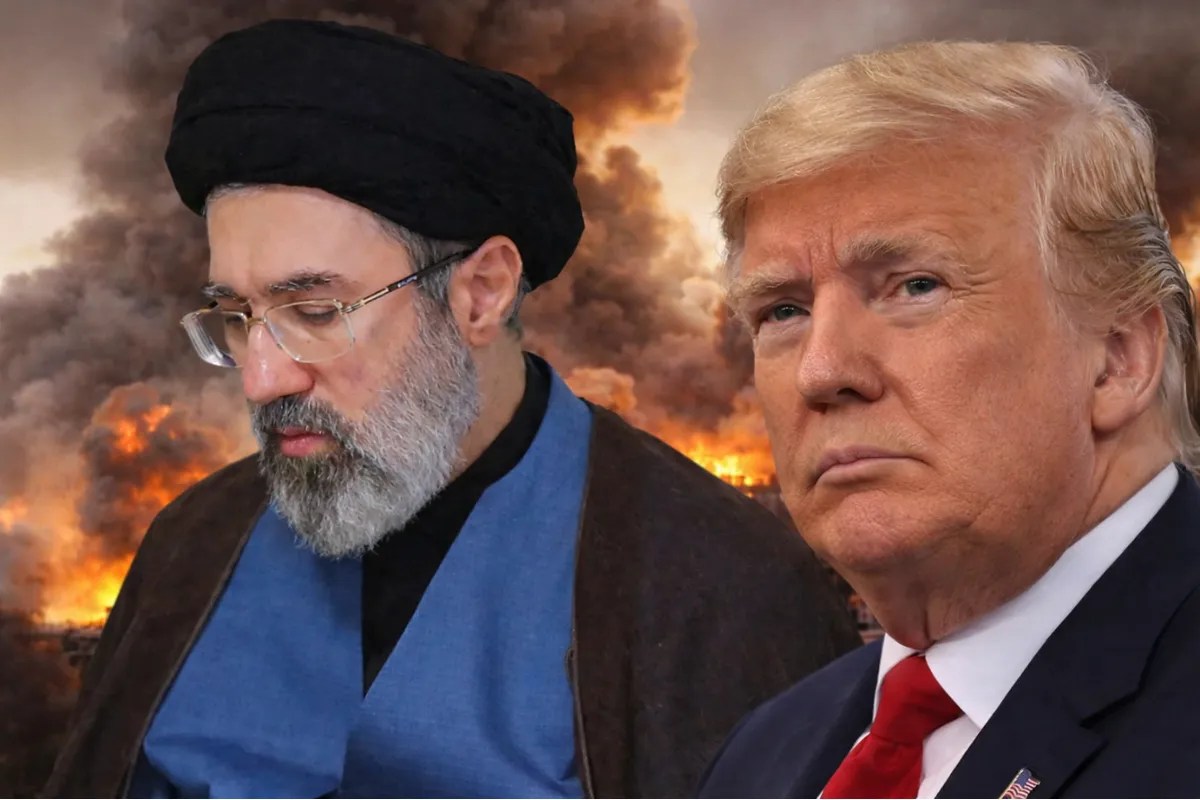
The two-week ceasefire between the United States and Iran is less a diplomatic breakthrough and more a tactical pause for two exhausted adversaries to count their dead and reload their magazines. Signed under the crushing pressure of a 48-hour ultimatum from Washington, the deal mediated by Pakistan was supposed to stop the bleeding and restore global commerce. Instead, it has birthed a surreal landscape of "taxed" shipping lanes, precision-guided violations, and a nuclear program that has simply moved from the laboratory to the rubble.
The Myth of the Open Strait
The primary American demand for this truce was the immediate reopening of the Strait of Hormuz. On paper, Tehran complied. In reality, they have transformed the world's most vital maritime artery into a private toll road. As of April 9, 2026, the IRGC is demanding "reconstruction fees" exceeding $1 million per vessel for any ship attempting to transit the waterway.
While the White House touts the "restoration of flow," the numbers tell a different story. Before the conflict, an average of 80 to 90 tankers passed through daily. Yesterday, exactly four dry-cargo ships made the crossing. Energy markets are not fooled by the semantics of a ceasefire when insurance premiums remain at war-time levels and Iranian fast boats still shadow every hull that enters the Gulf. The "open" strait is a ghost lane, and the global economy is still paying the price of the blockade under a different name.
Proxy Wars Don't Observe Business Hours
A ceasefire in the Middle East is only as strong as its weakest link, and currently, those links are snapping in Lebanon and Iraq. While Tehran’s central command maintains a veneer of cooperation, its "Axis of Resistance" is operating on a different clock.
Hezbollah’s rocket fire into northern Israel has not ceased, despite the formal agreement. Their logic is a masterclass in plausible deniability: they claim the ceasefire only applies to Iranian soil, not to Lebanese "resistance" against Israeli incursions. This isn't a rogue element acting out of turn; it is a deliberate strategy to keep Israel pinned down while Iran avoids direct American bombardment.
The strikes on the Habshan gas complex in Abu Dhabi and the Saudi pipelines on April 8 prove that Iran’s regional reach remains potent even when its domestic air defenses are in tatters. By striking GCC infrastructure during the negotiation window, Tehran is sending a clear message to the mediators in Islamabad: they can still burn the neighborhood down if the final terms don't include total sanctions relief.
The Nuclear Rubble Strategy
The most dangerous delusion in the current diplomatic discourse is the idea that the 2026 strikes "ended" the Iranian nuclear threat. Investigative analysts on the ground and satellite reconnaissance confirm that while the primary facilities at Natanz and Fordow have been hammered into concrete dust, the Iranian nuclear program has effectively "gone dark."
Iran’s 10-point proposal includes a demand for the "acceptance of enrichment rights," a phrase that was tellingly omitted from the English translations provided to Western journalists but remains prominent in the Farsi versions circulated to domestic hardliners. They aren't negotiating to stop their program; they are negotiating for the space to move their remaining centrifuges into deeper, more resilient mountain tunnels.
The U.S. strategy of "Maximum Pressure" has met its match in Iran's "Maximum Cost" counter-play. Washington is betting that a two-week window will force a regime collapse or a total capitulation. However, the history of Iranian diplomacy suggests they are simply waiting for the American political cycle to turn, using the ceasefire to repair their drone manufacturing lines and wait for the next lapse in Western attention.
A Peace Built on Sand
The current ceasefire lacks a monitoring mechanism with any real teeth. Pakistan, acting as the primary interlocutor, lacks the naval assets to enforce maritime "freedom of navigation" if Iran continues its toll-booth tactics. Meanwhile, the U.S. domestic political rift is widening, with calls for the removal of the current administration growing louder as the economic costs of the "Epic Fury" campaign mount.
This isn't a transition to a new regional order. It is a structured hostility where both sides have realized they cannot win a total war, yet neither can afford to lose the peace. The next ten days will not be defined by handshakes in Islamabad, but by whether the next drone that crosses the Gulf is met with a missile or a diplomatic protest. If the "reconstruction fees" in the Strait aren't dropped and the proxy fire in Lebanon isn't quenched, this two-week ceasefire will be remembered as nothing more than the quiet period before the final escalation.
The reality of the April 2026 truce is that it hasn't stopped the war; it has merely moved it into the ledgers of insurance companies and the shadows of proxy militias. Anyone looking for a return to the status quo is looking at a map of a world that no longer exists.



