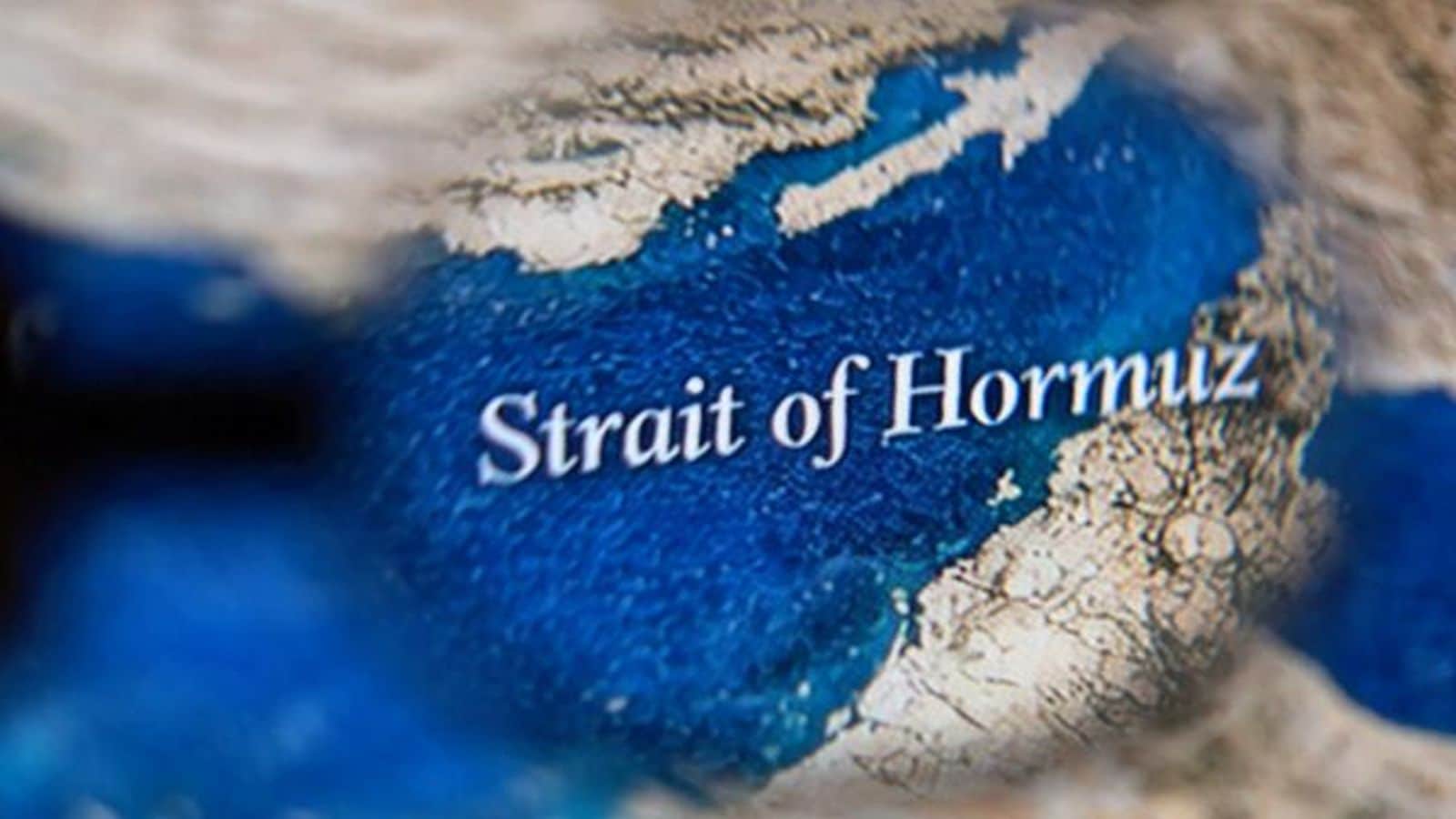
Geology does not care about geopolitics. Deep beneath the rugged limestone folds of Iran's southern Fars province, a newly identified accumulation of hydrocarbons holds more than 7.5 trillion cubic feet of natural gas. Iranian Oil Minister Mohsen Paknejad announced the find, pointing out that roughly 5.7 trillion cubic feet of it can actually be extracted given a respectable recovery rate of around 73 percent. It is a substantial volume, roughly equivalent to a single production phase of the colossal offshore South Pars field, capable of feeding domestic industries for a decade and a half.
Yet, treating this announcement as a triumphant economic turning point requires a willful suspension of disbelief. Tehran sits atop the second-largest natural gas reserves on the planet, trailing only Russia. Owning the asset is vastly different from monetizing it. For an energy sector reeling from cumulative infrastructure damage, acute supply imbalances, and heavy Western restrictions, discovering more gas is akin to handing a set of keys to someone whose car has no engine, no tires, and no fuel in the tank. You might also find this related article insightful: Why Modern Retailers Are Surviving a Cautious Consumer Economy.
The structural hurdles facing this subterranean bounty go far beyond the sheer volume of the reserves. Paknejad was quick to highlight a crucial technical advantage: the newly discovered deposit contains "sweet" gas, meaning it features low concentrations of hydrogen sulfide and other corrosive impurities. This characteristic dramatically lowers capital expenditure and operational expenditures during field development, bypassing the punishing sweetening processes required for sour gas fields. Furthermore, the subsurface structure holds significant volumes of gas condensates, which state officials claim will generate tens of billions of dollars in theoretical wealth.
Theory, however, remains a poor substitute for engineering execution. Iran's domestic energy network has been subjected to relentless pressure. Months of conflict with Israel and the United States inflicted severe damage on critical upstream and midstream infrastructure, slicing daily production capacity by roughly a quarter. While state engineers scramble to rebuild bombed-out processing trains at South Pars facilities, the country faces persistent winter gas shortages and severe summer power imbalances driven by surging domestic cooling demands. More than 90 percent of Iran's gas production is devoured internally, leaving little room for error as demand curves slope upward. As extensively documented in latest articles by CNBC, the effects are widespread.
The chronic affliction of the Iranian petroleum apparatus has never been a shortage of hydrocarbons. It is a chronic capital starvation. Ever since international majors like TotalEnergies abandoned their Iranian ventures following the 2018 U.S. withdrawal from the nuclear accord, the country's oil and gas ministry has fought a lonely war of attrition using strictly domestic contractors and aging technology. Complex secondary recovery techniques, advanced compression units, and offshore drilling innovations require foreign capital and cutting-edge engineering imports that are blocked by comprehensive sanctions.
Announcing a discovery in Fars province plays well on state television, offering a narrative of resilience against an intensifying U.S. economic blockade and threats of total financial isolation. But translating a seismic survey into flowing molecules at a burner tip demands billions in upfront investments and years of uninterrupted drilling activity. Without foreign investment or modernized infrastructure, these trillion cubic feet will remain trapped safely in the rock, serving as a monument to what might have been rather than a functional lifeline for an exhausted economy.