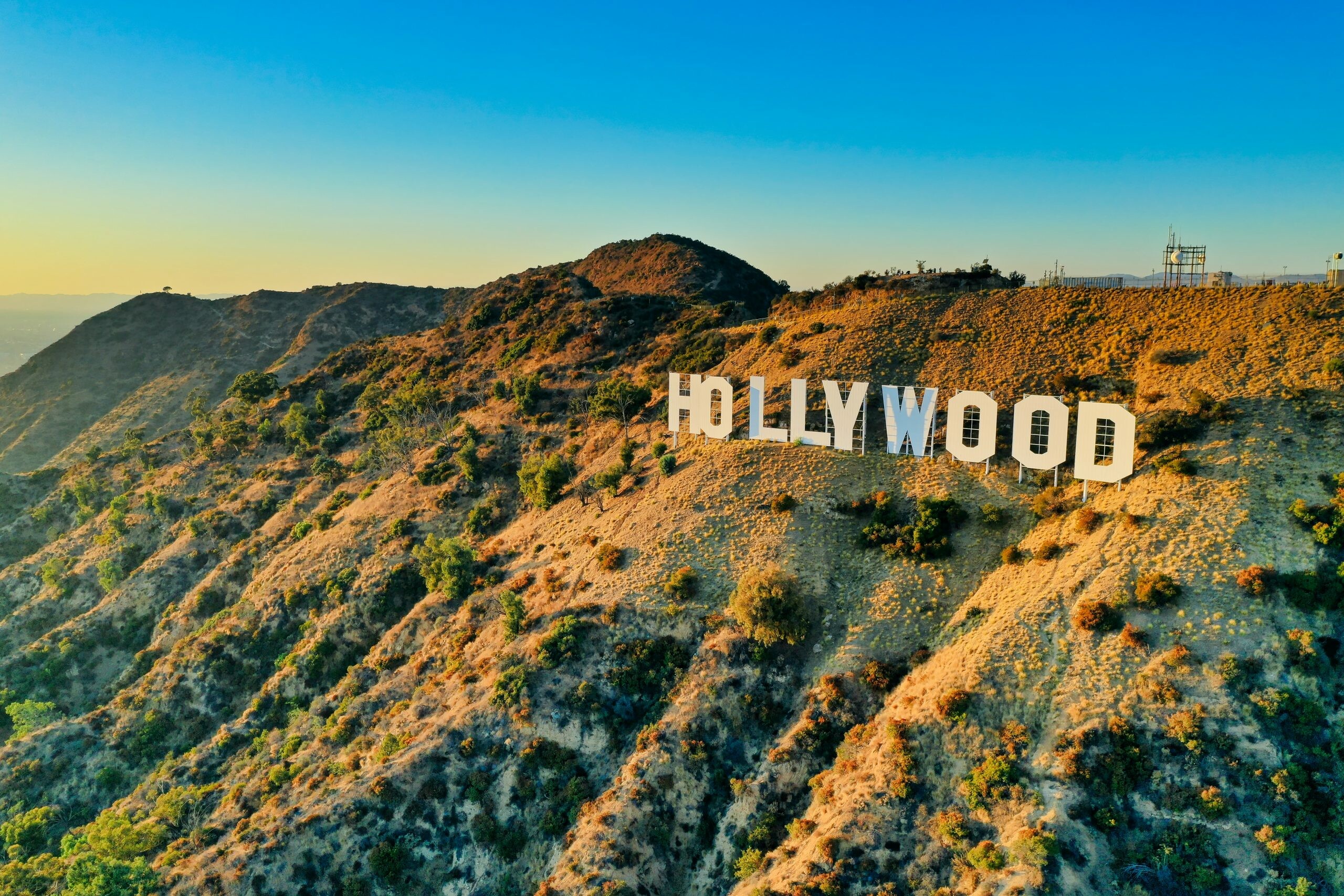
We spent decades sitting in dark theaters watching simulated disasters consume the planet while the air outside grew steadily warmer. Hollywood has churned out thousands of disaster films, dystopian thrillers, and speculative eco-fictions since the mid-twentieth century. Yet, society treated these cinematic warnings as expensive entertainment rather than structural premonitions. The silver screen offered a safe containment zone for collective anxiety. We could watch New York flood, Los Angeles burn, or the globe freeze over, then walk out to the parking lot, get into combustion-engine vehicles, and drive home.
This compartmentalization was never an accident. It was a cultural coping mechanism. Entertainment capitalized on the rising dread of ecological collapse while simultaneously neutralizing it, turning existential survival into a two-hour thrill ride packaged with oversized sodas. When art consistently holds up a mirror to a civilization's slow suicide and the civilization responds by buying merchandise, the medium stops being a warning and starts becoming an anesthetic.
The Evolution of Eco Panic on Film
Early cinematic treatments of environmental ruin leaned heavily on pulp science fiction. In the nineteen fifties and sixties, atomic monsters and mutated creatures served as the primary proxies for ecological disruption. Radiation and industrial waste did not just pollute rivers; they woke up radioactive reptiles and gargantuan insects. These films externalized the threat. The problem was not the foundational architecture of industrial capitalism or our insatiable appetite for fossil fuels. The problem was an angry god, an overzealous scientist, or a rogue monster that could be dispatched with a military strike or a well-placed explosive charge.
As scientific consensus solidified in the late twentieth century, the storytelling shifted. Films began to grapple with systemic, creeping threats rather than sudden monster attacks. Soylent Green presented a crowded, over-exhausted dystopia where natural food had vanished and society survived on processed human remains. Silent Running depicted an astronaut guarding Earth's final botanical specimens inside a geodesic dome orbiting a barren, lifeless world. These narratives stopped pretending that a single hero could punch out an ecological crisis. Instead, they introduced a bleak recognition: humanity was actively engineering its own eviction notice.
By the turn of the twenty-first century, disaster cinema entered a phase of high-gloss spectacle. The Day After Tomorrow traded nuanced political critique for catastrophic weather porn, featuring megastorms freezing entire continents in hours. While climatologists scoffed at the scientific inaccuracies, the cultural footprint was undeniable. Millions of viewers absorbed a visceral, albeit exaggerated, image of oceanic currents failing and the Northern Hemisphere plunging into a new ice age. The mechanism changed from subtle poisoning to sudden, violent system failure. Yet, the underlying consumer dynamic remained entirely unchanged. The theater ticket bought you the right to witness the end of the world without having to change your lifestyle.
The Comfort of the Apocalyptic Loop
There is a psychological safety valve built into repetitive catastrophe viewing. When a threat is dramatized ad nauseam, it undergoes desensitization. If every summer blockbuster features a city crumbling into a sinkhole or a superstorm wiping out the coast, the actual creeping reality of rising global temperatures begins to feel like a genre trope rather than an empirical fact.
Media corporations discovered that fear sells tickets, but actionable dread does not. Therefore, Hollywood mastered the art of the apocalyptic loop. You can experience the thrill of total systemic collapse, feel a fleeting pang of guilt during the closing credits, and return to normal consumer habits by morning. The medium provides catharsis without requiring sacrifice.
This dynamic mirrors our broader societal paralysis. Governments draft non-binding climate pacts that kick hard targets decades down the road. Corporations launch greenwashing campaigns while expanding extraction operations. Individuals sort their recyclables while continuing to participate in carbon-heavy logistics networks. Everyone is waiting for the cue to run for the shelter, completely ignoring the fact that the shelter was never built.
Why Fictional Warnings Failed to Alter Reality
The fundamental flaw in relying on art to drive structural change is that art requires interpretation, whereas survival requires logistics. When a film like Don't Look Up satirizes our inability to respond to an extinction-level event, critics praise its sharp social commentary. Audiences stream it by the tens of millions. Twitter debates rage for a week. Then the algorithm refreshes, a new celebrity scandal drops, and global carbon emissions tick upward by another fraction of a percent.
Satire and allegory assume that the ruling classes operate in bad faith out of ignorance rather than deliberate calculation. They assume that if you just show the powerful what they are doing through a clever enough lens, they will experience an epiphany, reverse course, and save the day. Real life possesses no such narrative arc. The fossil fuel conglomerates knew about the atmospheric consequences of their products decades before the public did. They did not need a cinematic warning; they had internal memos and proprietary data. Their response was not repentance, but a multi-billion-dollar disinformation campaign designed to sow doubt and buy time.
Hollywood itself remains deeply complicit in this loop. Major studios preach sustainability in corporate social responsibility reports while flying private jets to location shoots, running massive server farms for visual effects, and relying on sponsorships from high-emission industries. The apparatus that produces warnings about planetary death is fueled by the exact economic machinery causing it.
The Uncomfortable Reality of the Third Act
In classic storytelling, the third act brings resolution. The heroes rally, the flaw is corrected, and the community is saved—or, in a tragedy, the protagonist falls, leaving a moral lesson for those who remain.
Our current ecological trajectory defies this neat structural format. There is no external hero flying in to stabilize the jet stream. There is no third-act plot twist where the atmosphere suddenly heals itself because we finally understood the subtext of a disaster flick. The ice caps do not care about artistic merit, and sea levels do not negotiate with clever screenwriting.
We are currently living through the middle of a film where the projector is overheating, the theater is filling with smoke, and half the audience is arguing about whether the fire is actually real while the other half complains about the price of popcorn. The warnings were never subtle, and they were never scarce. We simply ran out of reels.


